Bayshore Gardens, Florida · Local water response
Water Damage Restoration Bayshore Gardens, FL
Available 24/7 for plumbing leaks, storm entry and sewage losses across this planned Manatee County community. Crews extract water, map damp materials and document drying progress.
(888) 621-2041Describe the water problem now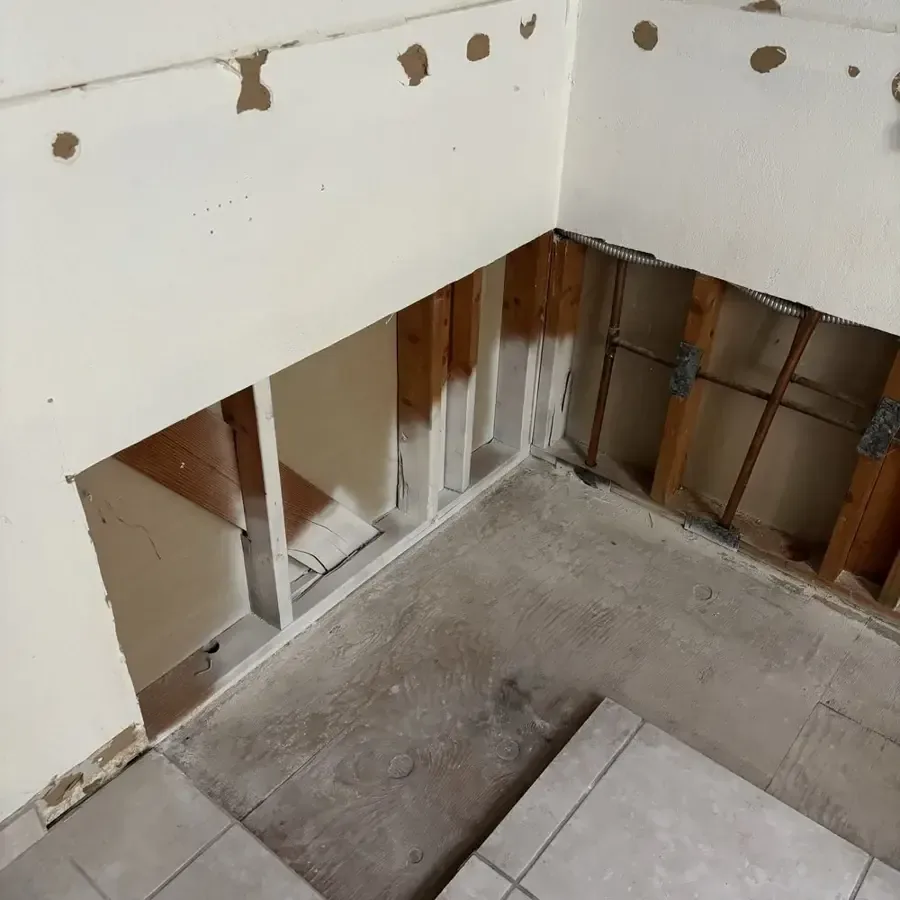
- 24/7 dispatch
- Roof leak drying
- Sewage containment
- Cabinet and floor checks
Bay weather and leaks
First actions after water enters a Bayshore Gardens home
- 1Pause the sourceClose a familiar valve only when the approach is dry and safe.
- 2Respect electrical risksKeep everyone away from wet outlets, appliances and visibly weakened ceilings.
- 3Capture the scenePhotograph the origin, water edge and affected belongings before moving safe items.
- 4Trace the routeList every room and surface reached so suitable equipment can be prepared.
Removal, cleanup and drying
Cleanup and drying for each kind of water loss
Plumbing releases, roof entry and storm water require different controls. Each assignment starts by identifying the source, classifying the water and checking connected materials with instruments.
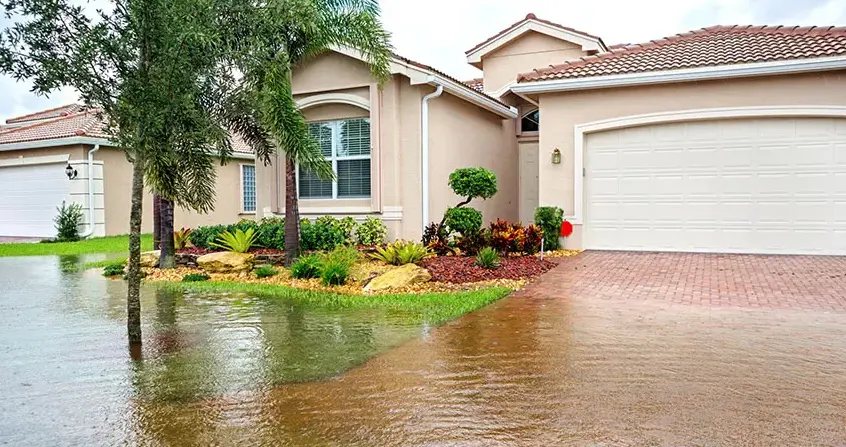
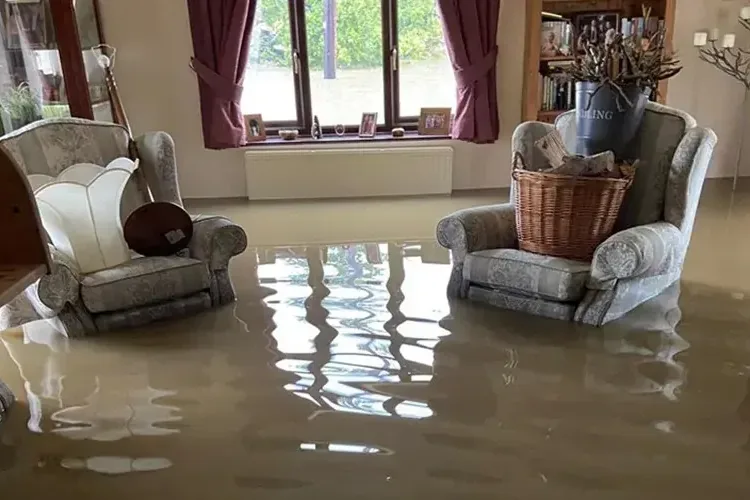 Bay and creek settingStorm Flood CleanupOutside water is classified before contaminated materials are isolated and handled. Cleaning and porous material decisions come before suitable retained construction enters active drying.See how it is handled
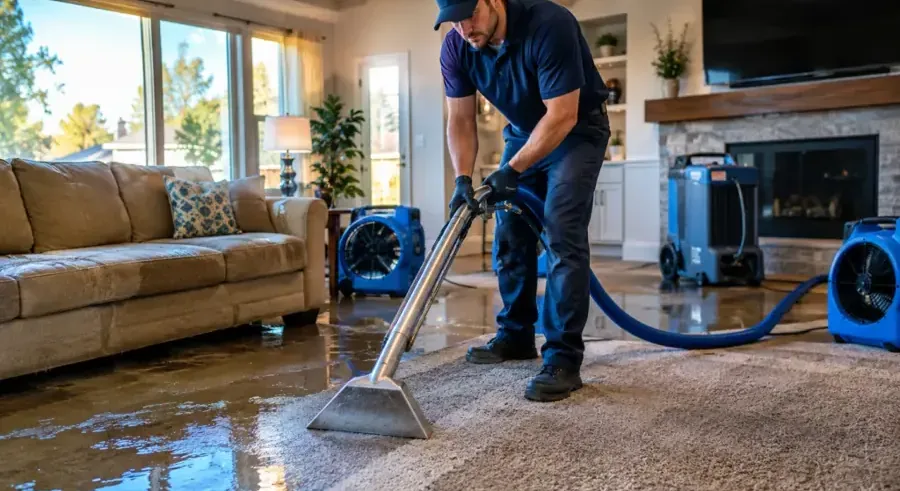 Standing water removalEmergency Water ExtractionStanding water is removed before meters follow its path below visible surfaces. Detail attachments reach thresholds and cabinet edges before drying equipment addresses retained moisture.See how it is handled
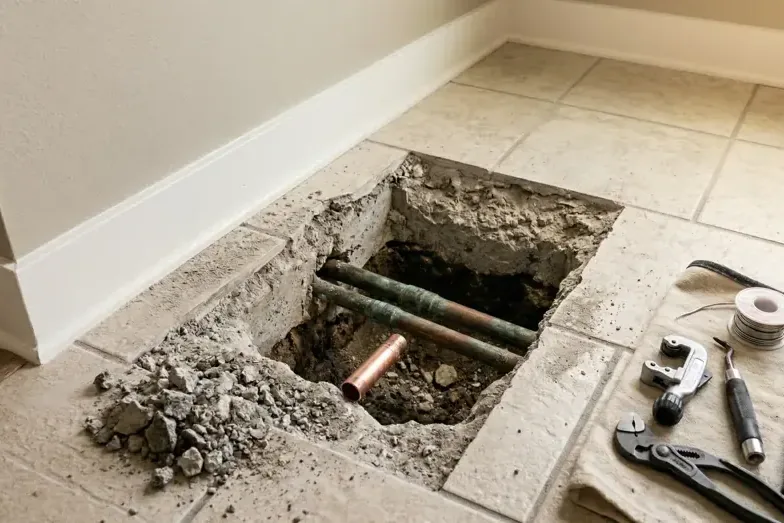 Slab Leak Water DamageMoisture mapping separates a concealed plumbing loss from the flooring damage above. Readings across tile, walls and fixed cabinets define the supported opening and drying area.Details
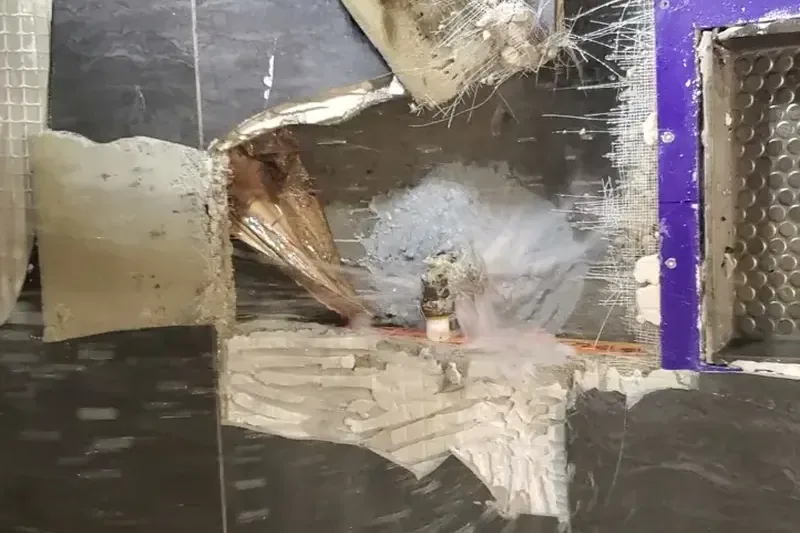 Burst Pipe CleanupFast volume reduction protects cabinets, wall bases and finishes after a break. The survey follows water through thresholds and partitions after the broken supply is isolated.Details
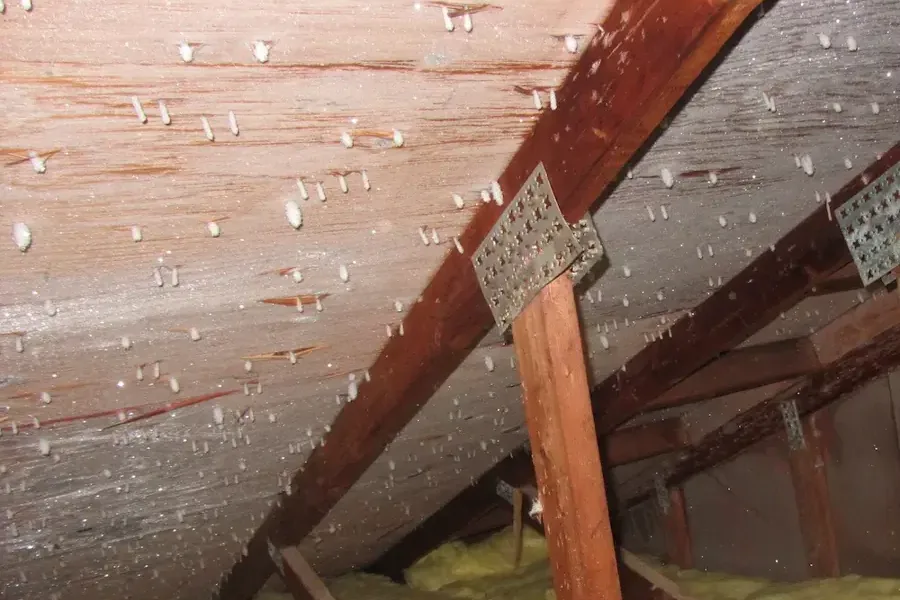 Roof Leak Water DamageAttic checks connect a roof opening with wet insulation and ceiling areas. Decking, framing and ceiling readings connect the exterior correction with the interior repair scope.Details
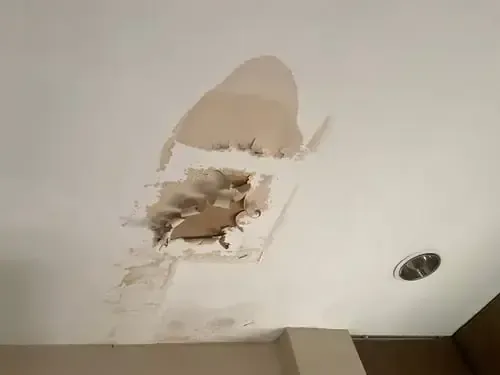
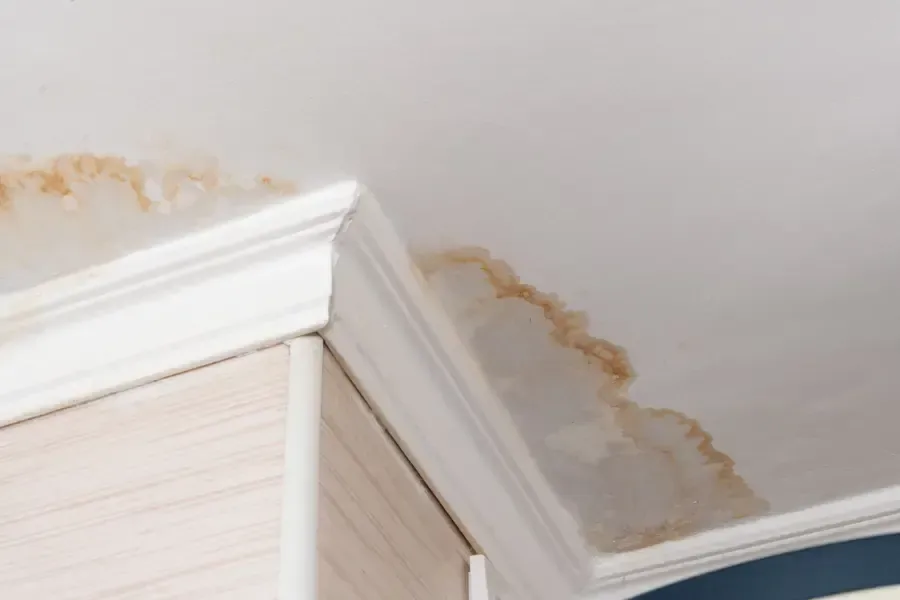 Ceiling Leak Water DamageSafe access reveals whether plumbing, roofing or condensate caused the stain. Insulation, wall tops and nearby fixtures receive separate condition checks before finish repair.Details
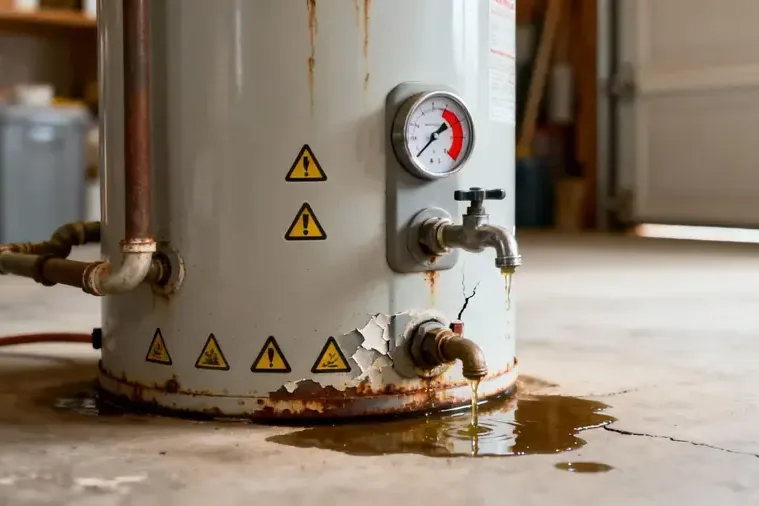 Water Heater Leak CleanupTank failures are extracted through the utility area and adjoining rooms. The crew checks transitions, walls and cabinets after safe plumbing correction and tank access.Details
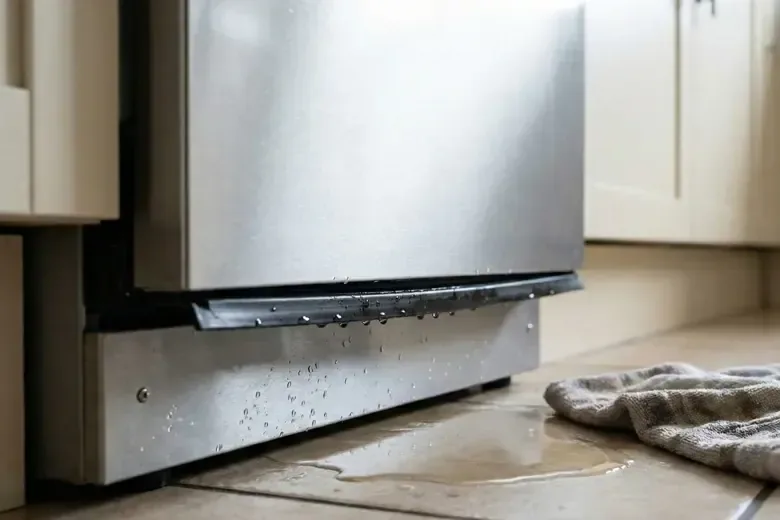 Appliance Leak Water DamageDetail tools reach beneath cabinets and flooring after an appliance release. Cabinets, underlayment and the opposite partition face are mapped beyond the visible appliance footprint.Details
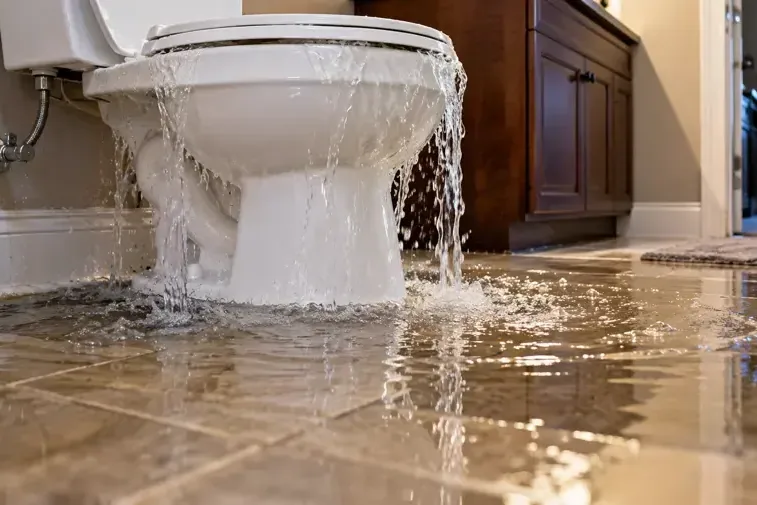 Toilet Overflow CleanupWater category and travel path determine cleaning, removal and drying decisions. Threshold and wall readings show whether the bathroom event crossed into adjoining construction.Details
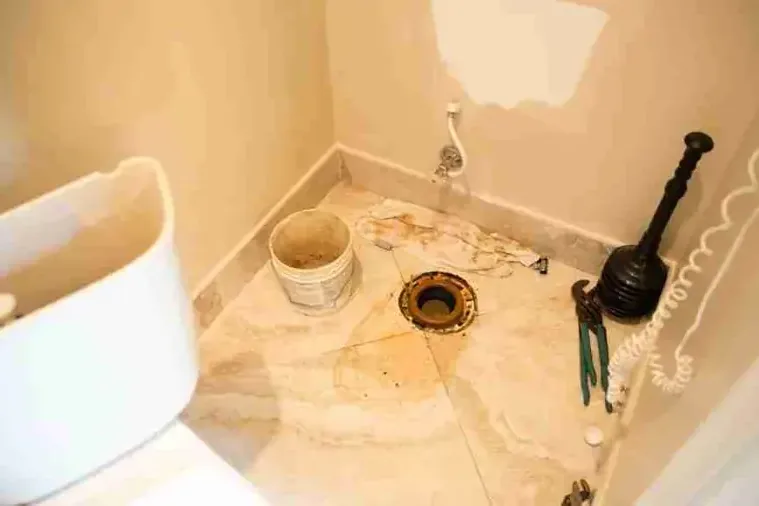 Sewage Backup CleanupCategory 3 water receives containment, controlled removal and surface disinfection. Retained durable surfaces are cleaned and documented before moisture control equipment is placed.Details
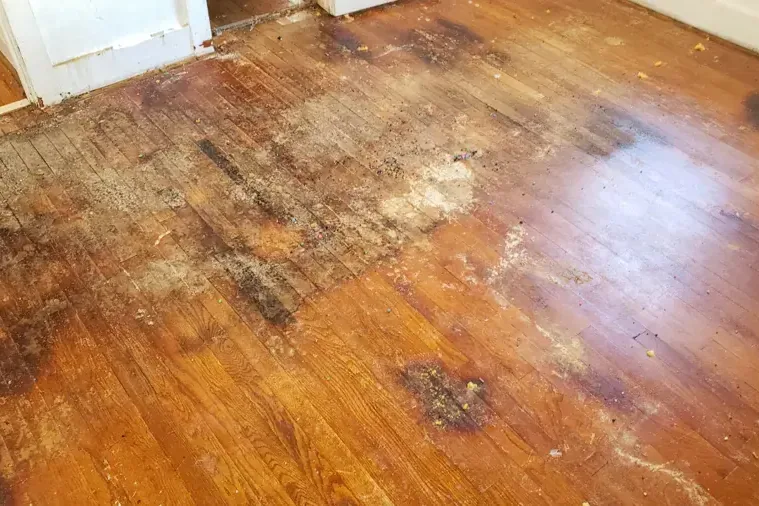 Hardwood Floor Water DamageBoard, fastener and subfloor readings direct a controlled wood drying plan. A marked grid compares affected courses with dry boards and tracks the subfloor response.Details
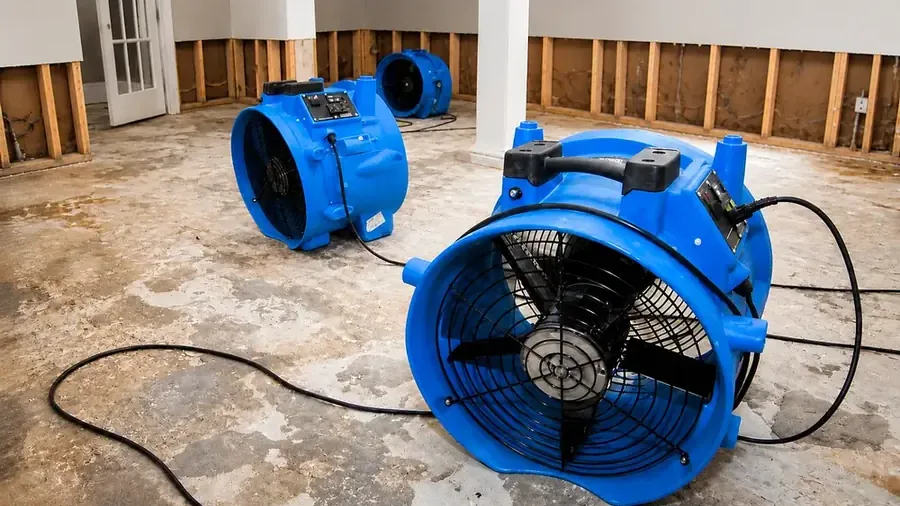
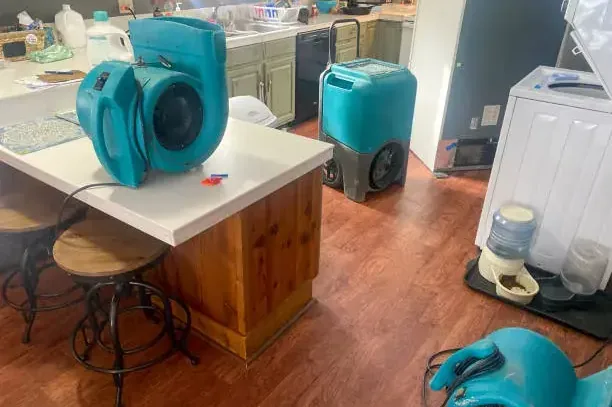 Structural DryingAir movement and dehumidification are adjusted to daily material measurements. Monitoring returns to fixed material points so airflow and dehumidification can be adjusted with evidence.Details
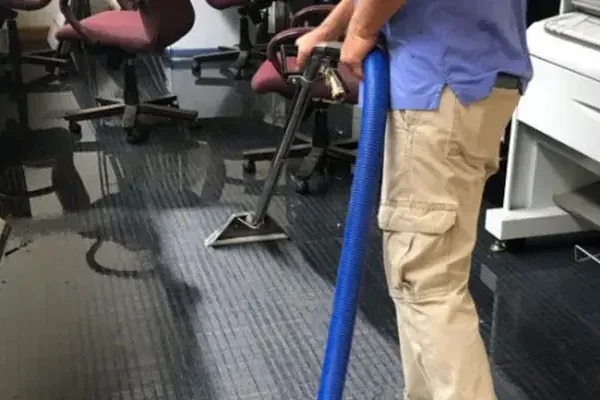 Commercial Water DamageWork zones protect practical access while affected business areas are dried. Zone records coordinate contents, critical access and material drying around practical operating needs.Details
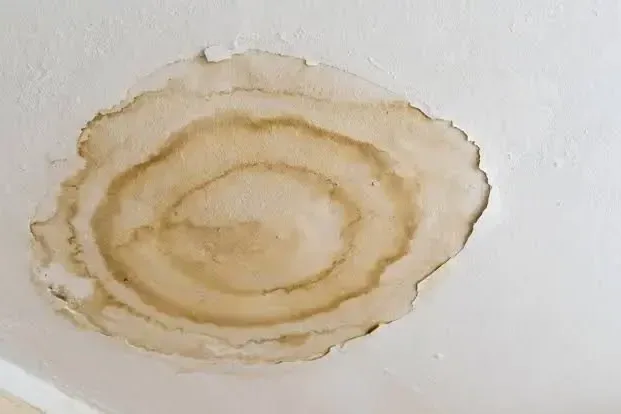 Air Conditioner Leak CleanupCondensate paths are traced from the equipment through ceilings and floors. Mechanical repair stops new condensate while restoration checks insulation, walls and connected finish layers.Details
Measurements direct the work
Drying reaches beyond the visible water mark
Mid-century finishes and newer additions can hide moisture in different layers. Technicians first establish the affected boundary, remove available water, then balance air movement with dehumidification. Repeat readings show whether each retained assembly is moving toward its dry reference.
- Source and category recorded
- Wet boundary confirmed with meters
- Airflow matched to the assembly
- End values compared with dry material
- 1
Survey adjoining finishes
Thermal patterns suggest possible spread, while direct readings confirm damp flooring, walls and cabinets.
- 2
Remove accessible water
Extraction reduces the liquid load before evaporation equipment addresses water held inside materials.
- 3
Shape the environment
Air movers release retained moisture as dehumidifiers collect vapor from the controlled work area.
- 4
Verify the endpoint
Marked locations are checked consistently until their values meet the documented drying goal.
Property-specific planning
Drying older homes through every layer
Bayshore Gardens developed with mid-century modern homes, followed by additional houses and waterfront construction. Around Sarasota Bay and Bowlees Creek, a water loss can affect original materials alongside later finishes. Floor coverings may hide a wet layer, while a cabinet conceals a plumbing release. The crew checks those connections and records which layers can dry in place before arranging equipment.
The project record connects source conditions with every later decision. Photographs preserve the initial scene, meters define the damp perimeter and extraction removes recoverable water. Airflow and dehumidification are then adjusted around retained materials. Repeated values show where progress continues, where a cavity needs better access and when the selected drying target has been reached.
See the documented drying approach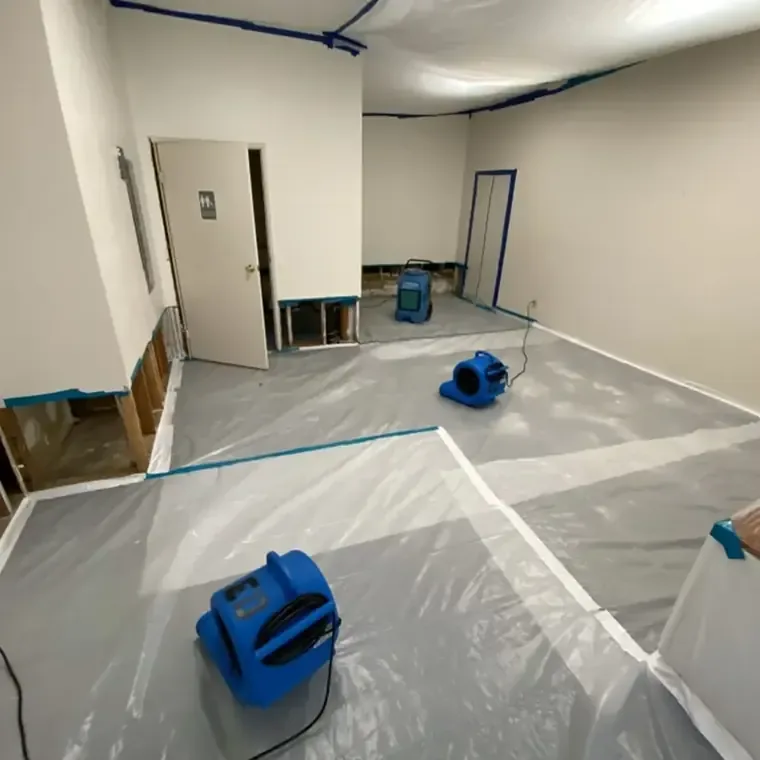
Typical cost bands
What does water damage restoration cost in Bayshore Gardens, FL?
Water damage restoration commonly ranges from $1,000 to $10,000 or more. A small, accessible clean-water area tends toward the lower band. Sewage, several rooms, hidden cavities and extensive material removal can move the project higher after inspection.
Contained clean water
$1,000 to $3,000
- One accessible affected area
- Extraction and dehumidification
- Follow-up moisture measurements
Several rooms or cavities
$3,000 to $7,000
- Selective finish access
- Floor and wall drying
- Progress photographs and logs
Contaminated or extensive
$7,000 to $10,000+
- Category 3 containment
- Porous material removal
- Multiple controlled work zones
Use the water damage cost calculator for an initial range. An onsite inspection determines the actual scope.
Water categories
The source determines how cleanup begins
Category 1, clean water
A fresh supply release starts clean, but delay or contact with soiled materials can change its condition.
Category 2, gray water
Some appliance discharges and fixture overflows require added protection, cleaning and material evaluation.
Category 3, black water
Sewage and outside floodwater call for containment and controlled disposal of affected porous finishes.
View sewage cleanup details
Insurance documentation
Documenting the damage before repairs begin
The restoration record should show the rooms affected at arrival and how their condition changed. Photos taken before material removal, dated meter readings and an itemized scope help explain the work. Coverage for the particular source remains a decision for the insurer under the property policy.
Keep these details with the claim
- Source area and affected room photographs
- The initial mapped moisture boundary
- Water category and affected materials recorded
- Progress humidity and material readings
- An itemized mitigation scope with notes
Ask how readings, photographs and removal decisions will appear in the final file.
Restoration work details
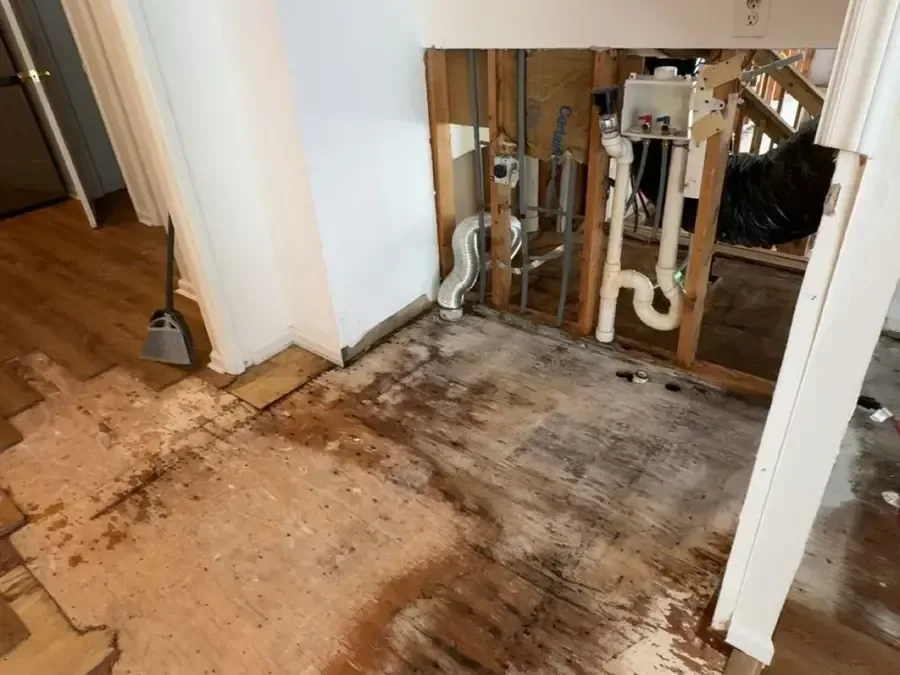
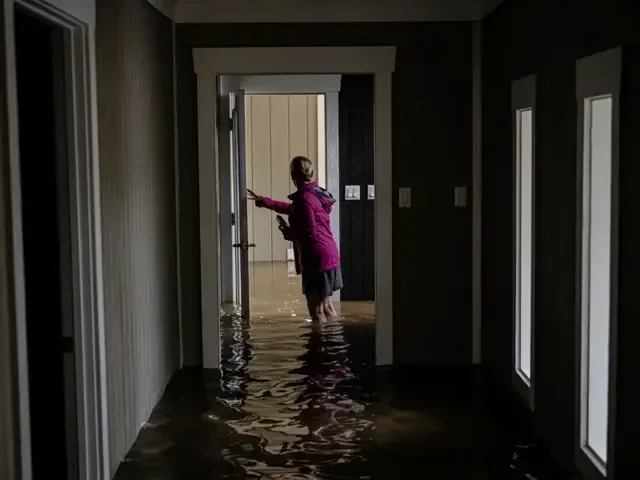
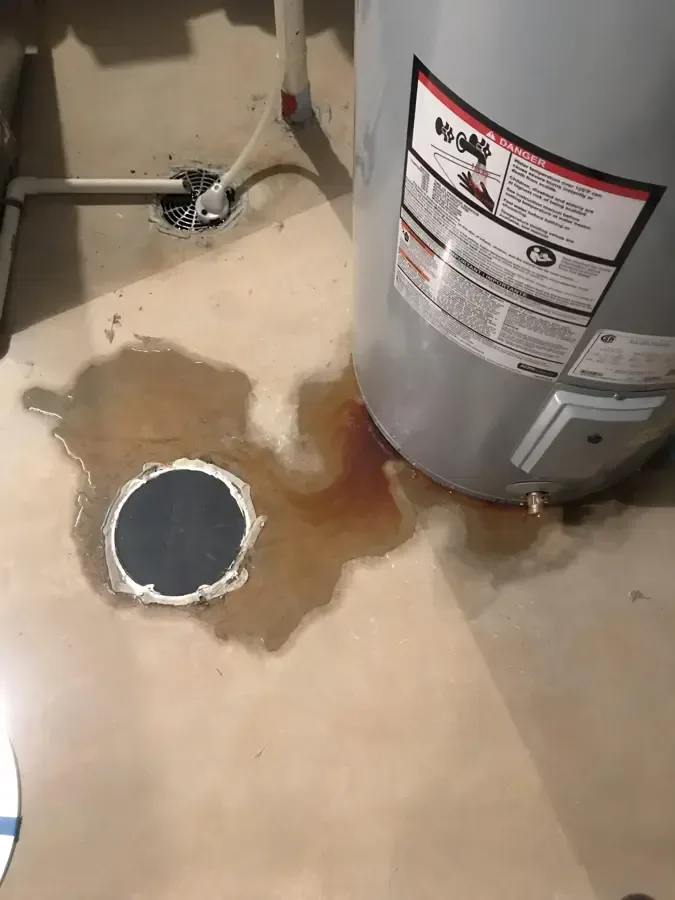
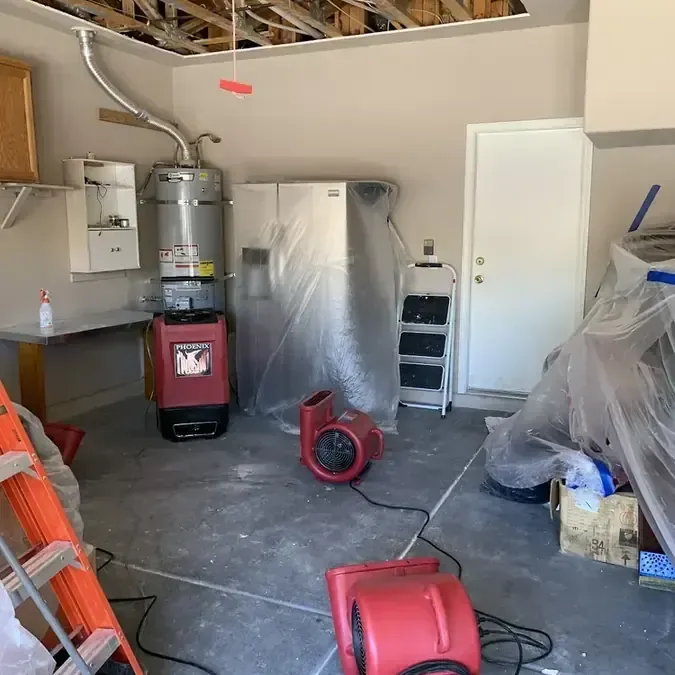
Access and drying equipment used after water damage
Available around the clock
Describe the water problem, day or night
Explain whether water came from plumbing, an appliance, the roof, a drain or outdoors. Name the rooms and materials involved and report any continuing flow. Those details help the crew prepare pumps, containment supplies, meters and drying equipment for the first visit.
Parrish Water Damage Restoration
Serving Bayshore Gardens, FL
(888) 621-2041
24 hours, 7 days a week
Find us on Google
Community coverage
Water damage service near Sarasota Bay and Bowlees Creek
Service includes Bayshore Gardens homes near Sarasota Bay and Bowlees Creek, along with properties toward South Bradenton and Whitfield. Dispatch needs details about the active source, wet rooms and any unsafe access.
ZIP codes
34207
Communities, corridors and features
- Bayshore Gardens
- South Bradenton
- Whitfield
- Bayshore Gardens Parkway
- Sarasota Bay
- Bowlees Creek
- State College of Florida
- Neel Performing Arts Center
The links below describe water damage service in nearby communities.
Nearby areas
Bay, creek and older finishes
Where water can hide in Bayshore Gardens
Waterfront properties and mid-century homes need checks for outdoor entry and moisture trapped beneath later flooring or wall finishes.
- Sarasota Bay borders the southwest. Outdoor water requires contamination assessment before materials can be salvaged.
- Bowlees Creek borders the southeast. Entry-point photos preserve the route of an outdoor loss.
- Mid-century homes may have later finishes concealing moisture under a dry-looking surface.
- Appliance leaks can soak cabinet toes, nearby flooring and the opposite wall face.
Questions
Questions about wet floors, walls and repairs
What should happen while water is still flowing?
Use a familiar shutoff only from a dry, safe position. Keep clear of wet electrical devices and weakened ceilings. Photograph the source and affected rooms, then describe the route so suitable extraction tools can be prepared.
How is hidden moisture found in a mid-century home?
Thermal patterns suggest where water traveled, but direct readings confirm damp flooring, wallboard and cabinets. Technicians compare connected materials with an unaffected reference. Construction age alone does not determine which cavities need access.
Can wet materials remain in the building?
Sound materials exposed to suitable water may remain when access and repeated readings show improvement. Swollen composite products, saturated insulation and porous finishes touched by sewage or outdoor water need another evaluation.
How long does structural drying take?
Material density, hidden layers, indoor humidity and access influence progress. Equipment remains while measurements show useful change. When values stall, the crew reassesses airflow, dehumidification and whether a closed section needs better access.
Does insurance cover a water loss?
Coverage depends on cause and policy language. Sudden plumbing discharge may differ from maintenance, surface flooding or sewer backup. Source photographs, moisture maps and drying records support the insurer's separate assessment.
Why is the water category important?
Fresh supply water, appliance discharge, outdoor flooding and sewage carry different hazards. Classification changes protection, containment, cleaning and removal decisions. Delay or contact with dirty surfaces can also change the condition.
What belongs in the restoration record?
A useful file includes source images, the first moisture boundary, water category, affected assemblies, equipment changes and repeated readings. It should explain why a finish stayed, was opened or was removed.
What changes the total restoration price?
Water category, affected area, material type and access shape the scope. Several rooms, wet cabinets, concealed cavities and contamination add work compared with a small clean-water release on an accessible surface.
What happens after drying is confirmed?
When retained materials meet their documented target, the closing file identifies areas prepared for repair. Removed finishes are listed, completed mitigation is photographed and separate source correction can proceed before reconstruction.
24/7 emergency dispatch
Water spreading through the property? Start cleanup.
A restoration team can map connected materials, remove recoverable water and control the drying environment. Consistent readings document progress and establish when retained construction is ready for the next repair decision.
(888) 621-2041Request water damage help
Bayshore Gardens, FL · Find us on Google