Business-focused mitigation
Commercial Water Damage in Bayshore Gardens, FL
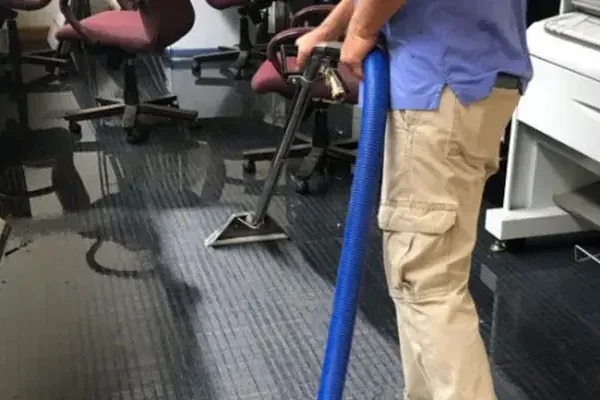
A commercial loss needs both material control and a practical access plan. Crews divide the property into zones, protect records or inventory and document each drying decision. Safe sequencing protects essential movement.
(888) 621-2041Request commercial water response- Phased work zones
- Inventory-aware access
- Documented moisture tracking
Planning unitOperational work zones
Protected assetsPeople, records and inventory
Mitigation recordArea-by-area scope
Drying endpointMeasured material goals
Water in a workplace can affect operations before it reaches a large footprint. A wet entry, office partition or storage section may interrupt access, power use and inventory handling. In Bayshore Gardens, the mitigation lead meets the property contact, identifies critical routes and divides the building into affected, support and available zones.
How commercial water damage is handled in Bayshore Gardens
- 1
Set operational boundaries
The property contact and crew identify affected, support and available business areas. Critical routes and secure areas remain clearly identified.
- 2
Extract by priority zone
Water removal proceeds around hazards, critical access, contents and contamination conditions. Progress is coordinated through the assigned property contact.
- 3
Coordinate contents and drying
Inventory movement and equipment placement are recorded without obscuring material monitoring points. Staff do not cross active equipment and containment routes.
- 4
Release areas by evidence
Each zone receives ending readings and a documented status before the handoff. The handoff names remaining repair restrictions by area.
What does commercial water damage cost in Bayshore Gardens, FL?
Commercial water damage work commonly ranges from $2,500 to $18,000 or more. Occupied area, access controls, contents, contamination and the number of drying zones determine the final scope.
Focused business area
$2,500 to $7,600
- One defined work zone
- Extraction and mapping
- Basic contents coordination
Several operational zones
$7,600 to $12,750
- Phased access plan
- Partition and floor drying
- Expanded documentation
Complex commercial loss
$12,750 to $18,000+
- Large affected footprint
- Inventory or contamination controls
- Extended zone monitoring
For a closer planning number, try the water damage cost calculator. A firm figure comes after the walkthrough and moisture map.
The first plan protects people and essential access
Source isolation, electrical concerns and water category are addressed before staff reenter the area. Photographs capture the initial condition, while a contents list identifies records, equipment and stock that need protected movement. Extraction starts where it can reduce spread without sending workers or hoses through clean operational sections.
- Keep employees outside the marked affected zone.
- Identify essential entrances, utilities and secured areas.
- Provide a contact for inventory and contents decisions.
- Preserve source and maintenance records for assessment.
- Report business hours as a planning constraint, not a shortcut.
Work zones let mitigation progress in an ordered sequence
Carpet, wall systems, ceiling materials and built-ins receive separate moisture checks. The crew may complete extraction in one zone while setting drying equipment in another. Containment reduces interference and can isolate contaminated water when necessary. Daily notes identify which sections remain restricted and why.
The Bayshore Gardens Shopping Center, State College of Florida campus and businesses serving South Bradenton represent different occupancies. Their names provide local context, not a universal plan. Actual construction, access and operating needs determine equipment placement, off-hours work and the sequence for returning areas to use.
Continuity depends on clear boundaries
A written zone plan shows which areas are affected, where mitigation equipment operates and what space remains available.
Area records support management and repair decisions
Near Sarasota Bay, Bowlees Creek and Whitfield, the final package can organize source photos, moisture maps, contents movement, equipment changes and ending readings by zone. That structure helps property managers coordinate insurance assessment and reconstruction without losing track of the original loss.
Sign-in notes can record who entered a restricted zone and when equipment or inventory moved. This operational detail helps explain changes in airflow, door position or room access between readings. It also gives managers a clearer basis for coordinating staff around the mitigation schedule.
Shift changes receive a concise status update that names active equipment, restricted doors and approved access. The update prevents routine cleaning, deliveries or inventory movement from changing the controlled drying environment without entering that change in the project record.
Coverage
Commercial Water Damage across Bayshore Gardens, FL
Service includes Bayshore Gardens homes near Sarasota Bay and Bowlees Creek, along with properties toward South Bradenton and Whitfield. Dispatch needs details about the active source, wet rooms and any unsafe access.
See every area servedQuestions
Commercial Water Damage questions in Bayshore Gardens
Can part of a business remain open during mitigation?
Possibly, when safety, water category, access and building systems allow clear separation. A zone plan identifies restricted and potentially available areas. The property contact and appropriate authorities determine operations, while the crew documents mitigation boundaries. Restricted paths should be posted clearly for every shift and visitor.
How are inventory and records handled?
The business identifies priority, ownership and security requirements. The crew records location and condition before approved movement. Dry items can be protected outside the work zone, while affected contents receive a separate cleaning, recovery or disposal decision. The handoff should state which areas remain limited during repairs.
Can drying equipment run around business activity?
Equipment layout must preserve safe access and adequate airflow. Operating schedules can influence monitoring and work sequencing, but machines should not be moved casually. Any change is documented so the material trend remains meaningful.
What should a commercial loss file include?
Useful records include source photographs, an affected-area map, water category, contents movement, extraction notes, equipment logs and ending material values. Organizing those items by zone makes management, insurer and repair discussions easier to follow.
How are contaminated commercial areas managed?
Containment separates the affected route from occupied space. Wastewater or outdoor floodwater can require controlled porous material removal and cleaning before drying. Staff should not pass through the work zone or move affected inventory into clean areas.
What changes commercial restoration cost?
Square footage matters, but access, occupancy, contents, building systems and contamination can matter just as much. A small open office differs from water crossing secured storage, several tenant areas or wall and ceiling assemblies. Zone count also matters.
24/7 emergency dispatch
Commercial Water Damage help in Bayshore Gardens
A zone-based plan protects practical access, records material progress and gives managers a clear handoff from mitigation to repairs. Remaining restrictions are identified by work area.
(888) 621-2041Request Commercial Water Damage help
Bayshore Gardens, FL · Find us on Google