Outside water response
Storm Flood Cleanup in Bayshore Gardens, FL
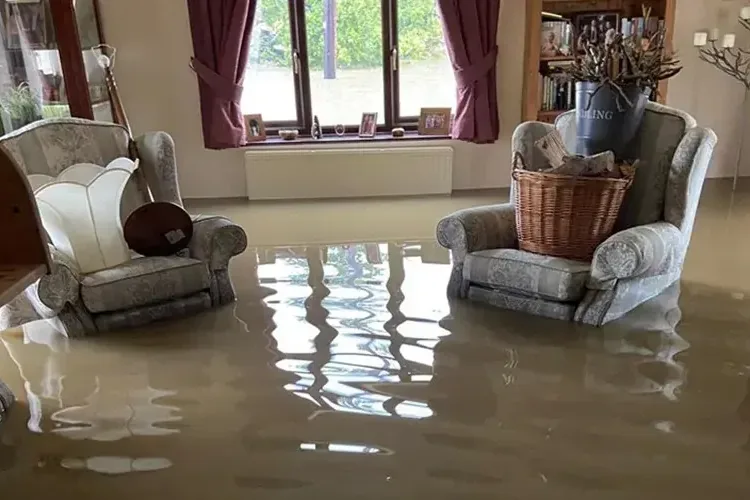
Storm water entering near Sarasota Bay or Bowlees Creek may carry debris and contamination through several rooms. Crews establish safe zones, remove water and evaluate porous materials before drying.
(888) 621-2041Request storm cleanup help- Water category assessment
- Controlled debris removal
- Mapped structural drying
Water sourceRain or outdoor flooding
First boundarySeparate affected rooms
Material concernContaminated porous finishes
Drying focusClean retained assemblies
When rain or outdoor water enters a Bayshore Gardens property, the response starts with the route and category rather than the depth alone. Water associated with Sarasota Bay, Bowlees Creek or drainage around Bayshore Gardens Parkway can contact soil, debris and other contaminants before crossing a doorway. Occupants should avoid the affected section until electrical, structural and sanitation risks have been considered.
How storm flood cleanup is handled in Bayshore Gardens
- 1
Establish safe zones
Containment separates affected rooms and creates a controlled route for workers and debris. Clean routes remain available outside the boundary.
- 2
Extract and remove debris
Water and loose contaminants are taken out before detailed cleaning of remaining surfaces. Sediment and visible deposits enter the condition record.
- 3
Evaluate porous finishes
Material condition and water category direct retention, removal and selective access decisions. Cleaning status is confirmed before equipment placement.
- 4
Dry cleaned assemblies
Equipment targets retained construction while repeat readings document its movement toward goal. The final file identifies each retained surface.
What does storm flood cleanup cost in Bayshore Gardens, FL?
Storm flood cleanup commonly ranges from $2,500 to $14,000 or more. Water category, affected area, debris, porous material removal and the number of drying zones determine the final scope.
Limited storm entry
$2,500 to $6,300
- Defined affected area
- Extraction and cleaning
- Focused material checks
Several contaminated rooms
$6,300 to $10,100
- Expanded containment
- Porous finish removal
- Multiple drying sections
Extensive flood impact
$10,100 to $14,000+
- Broad debris handling
- Large controlled workspace
- Longer monitoring record
For a closer planning number, try the water damage cost calculator. A firm figure comes after the walkthrough and moisture map.
Dirty water changes the removal plan
Technicians mark a controlled boundary, photograph sediment and identify the materials reached. Porous finishes that cannot be reliably cleaned after contaminated water exposure are evaluated for removal. Durable surfaces receive cleaning suited to their condition. Extraction proceeds without spreading tracked debris into unaffected rooms, and removed material follows a defined path out of the work area.
- Do not enter rooms containing outdoor floodwater.
- Keep children and pets beyond the affected boundary.
- Photograph entry points from a safe dry position.
- Do not operate fans across an uncontained dirty area.
- Report roof openings and exterior water entry separately.
Drying starts after the contaminated load is controlled
Air movers are not the first answer for a room holding dirty water. Extraction, debris removal and cleaning come first. Once the remaining assembly is suitable for drying, dehumidification manages released vapor and directed airflow reaches exposed framing or other retained surfaces. Monitoring confirms whether those materials are improving.
Properties between South Bradenton and Whitfield can have different floor heights, layouts and finish systems. The team records the actual entry path and does not assign one flood condition to the entire community. The storm water risk check can support planning, but onsite conditions determine category, access and mitigation scope.
Outside water is treated cautiously
Source uncertainty and contact with outdoor surfaces support protective containment until the affected materials can be evaluated directly.
Final records separate cleanup from reconstruction
The mitigation file lists the entry points, contaminated materials, extraction areas, cleaning steps and drying readings. Near the State College of Florida campus, Bayshore Gardens Shopping Center or the waterfront, this sequence gives property owners a clear account of what was removed and what is ready for repair.
Exterior observations are recorded without representing the whole community as one flood zone. Water marks, doorway deposits and indoor material readings describe the individual property. Photos taken after debris removal show which surfaces became available for cleaning and which remained concealed.
Cleaned thresholds receive a final condition photograph before normal traffic resumes.
Coverage
Storm Flood Cleanup across Bayshore Gardens, FL
Service includes Bayshore Gardens homes near Sarasota Bay and Bowlees Creek, along with properties toward South Bradenton and Whitfield. Dispatch needs details about the active source, wet rooms and any unsafe access.
See every area servedQuestions
Storm Flood Cleanup questions in Bayshore Gardens
Is rainwater inside a building considered clean?
Water falling directly through a roof opening may begin differently from water crossing soil or paved surfaces. The route, time and materials contacted all matter. Crews inspect those facts before deciding protection, cleaning and removal requirements. Indoor deposits and material contact still determine the individual cleanup plan.
Should household fans run after outdoor water enters?
Not before the affected zone is evaluated and contained. Uncontrolled airflow can carry particles beyond the original area. Extraction, debris control and cleaning should occur before drying equipment is arranged for the retained structure. Photographs after debris removal clarify which surfaces remain for cleaning.
What porous materials may need removal?
Carpet pad, saturated insulation, some composite products and other absorbent finishes can be difficult to clean after contaminated water exposure. Decisions depend on category, condition and access. Durable materials receive a separate evaluation.
How is storm water tracked through a property?
The crew documents entry points, visible sediment, room boundaries and direct moisture readings. Survey points extend beneath thresholds and into nearby walls or cabinets. The resulting map distinguishes contaminated contact from moisture that moved within connected assemblies.
Does a neighborhood location determine the flood category?
No. Sarasota Bay and Bowlees Creek are useful local context, but each property is evaluated from the water that actually entered, its route and observed conditions. No single flood classification is assigned across all of Bayshore Gardens.
What raises storm cleanup cost?
Larger affected areas, dirty water, debris, difficult access and extensive porous material removal increase labor and equipment needs. A contained rain opening differs from outdoor water crossing several rooms and entering wall cavities or layered floors.
24/7 emergency dispatch
Storm Flood Cleanup for Bayshore Gardens properties
Containment, careful material decisions and measured drying address outdoor water without carrying contamination into unaffected rooms. The final record identifies every cleaned or removed material decision.
(888) 621-2041Request Storm Flood Cleanup help
Bayshore Gardens, FL · Find us on Google