Kitchen and laundry leaks
Appliance Leak Water Damage in Bayshore Gardens, FL
A supply hose, drain or appliance seal can release water into hidden cabinet and floor spaces. Detail extraction and targeted readings reveal the affected route before drying begins.
(888) 621-2041Request appliance leak cleanup- Under-cabinet access
- Floor seam extraction
- Material moisture tracking
Frequent sourcesHoses, drains and seals
Hidden routeCabinet toes and floor seams
Detail methodSmall-tool extraction
MonitoringBoard and cabinet readings
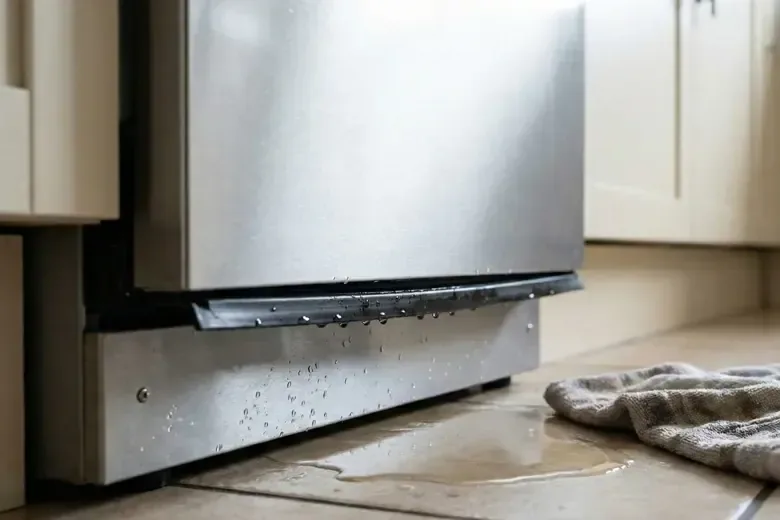
An appliance leak often becomes visible only after water leaves the footprint of the machine. A dishwasher can wet the cabinet run, a refrigerator connection can feed a narrow floor seam and a washer discharge can cross a laundry threshold. In Bayshore Gardens, the restoration survey follows that specific route instead of stopping at the first damp tile.
How appliance leak water damage is handled in Bayshore Gardens
- 1
Identify the failed connection
The source and appliance position are documented before safe repair or removal changes the scene. Failed parts remain available when appropriate.
- 2
Reach confined water
Detail tools address open flooring, recess edges, toe spaces and accessible seams. Nearby contents stay protected during the detail work.
- 3
Evaluate cabinets and floors
Direct readings and physical condition direct retention, access and removal choices. Each component receives a separate condition record.
- 4
Monitor the selected plan
Equipment adjustments follow progress at marked panels, boards, walls and underlayment areas. Stalled areas trigger another access assessment.
What does appliance leak water damage cost in Bayshore Gardens, FL?
Appliance leak cleanup commonly ranges from $750 to $4,800 or more. Appliance location, cabinet involvement, flooring layers, water category and the affected footprint determine the final assignment.
Small reachable release
$750 to $2,100
- One appliance area
- Detail edge extraction
- Focused cabinet checks
Cabinets and flooring affected
$2,100 to $3,400
- Toe-kick access
- Layered floor drying
- Repeated panel readings
Water across connected rooms
$3,400 to $4,800+
- Several mapped spaces
- Selective material removal
- Expanded equipment setup
For a closer planning number, try the water damage cost calculator. A firm figure comes after the walkthrough and moisture map.
Safe disconnection and source repair come first
Occupants should not pull an energized appliance through standing water. A reachable supply valve can be closed from a dry location, and an appliance or plumbing professional can correct the failure. The mitigation team photographs the equipment position and water edge, then checks adjacent cabinets, wall bases and flooring without assuming the machine footprint contains the loss.
- Avoid moving plugged-in equipment through water.
- Close an accessible supply only from dry flooring.
- Photograph the appliance position and surrounding finishes.
- Check the opposite wall for damp baseboards.
- Keep the failed hose or part when requested.
Tight construction details need small extraction tools
Open pooling is removed first, followed by water at cabinet toes, floor joints and reachable appliance recesses. Toe-kick access may reveal damp composite material that looked normal from above. Different finishes respond differently, so tile, wood, underlayment and cabinet panels each receive direct readings and their own retention decision.
A kitchen near South Bradenton can differ from a laundry area near Whitfield or the Bayshore Gardens Shopping Center. Equipment placement follows the room, not a stock pattern. Air movement is aimed where exposed material can release moisture, while dehumidification controls the surrounding environment. Fixed cabinetry may require careful internal checks instead of strong airflow across the face.
A dry tile surface does not clear the cabinet base
Water can remain in seams, underlayment and composite panels after the visible floor has been wiped or extracted.
Monitoring supports cabinet and flooring decisions
Marked measurements show whether an affected toe panel, floor section or lower wall is improving. If swelling or delamination prevents recovery, the file records that condition before selective removal. Near Sarasota Bay, Bowlees Creek and Bayshore Gardens Parkway, the closing notes give owners a clear list of retained and repair-ready materials.
Removable trim and access panels can provide useful inspection points without dismantling an entire cabinet run. The crew records their condition before removal and replaces nothing until the surrounding material values and the appliance correction are understood.
Coverage
Appliance Leak Water Damage across Bayshore Gardens, FL
Service includes Bayshore Gardens homes near Sarasota Bay and Bowlees Creek, along with properties toward South Bradenton and Whitfield. Dispatch needs details about the active source, wet rooms and any unsafe access.
See every area servedQuestions
Appliance Leak Water Damage questions in Bayshore Gardens
Should an appliance be moved immediately after a leak?
Not when electricity, unstable cabinetry or pooled water creates a hazard. The original position also helps document the source route. Safe disconnection and movement should be coordinated before the recess and surrounding floor receive a detailed inspection. The repair professional can then reach the equipment without erasing the original moisture evidence.
Where does dishwasher water usually need inspection?
The survey includes the machine recess, toe space, adjoining cabinet panels, wall base and floor seams. Water can follow the cabinet run or reach underlayment without leaving a broad surface puddle. Direct readings confirm the actual footprint.
Can a refrigerator supply leak damage another room?
Yes. A narrow supply release can follow flooring joints or a wall penetration before appearing elsewhere. Technicians check the opposite side of a shared wall and nearby thresholds, using measurements rather than the first visible mark as the limit.
What happens to swollen cabinet material?
Composite cabinet parts that swell or separate may not return to their prior condition. The crew records physical damage and moisture values, then distinguishes removable trim or toe panels from larger cabinet components that need a repair decision.
How are layered floors dried after an appliance leak?
Extraction addresses reachable water, then readings identify which layers remain elevated. Airflow and dehumidification support suitable retained materials. A low-permeability finish or trapped underlayment may require selective access when measurements do not improve.
What determines appliance leak cleanup cost?
The machine type matters less than the released water, route and materials reached. Cabinet bases, wood floors, several rooms and hidden underlayment add work compared with a small accessible release on an open, durable surface.
24/7 emergency dispatch
Appliance Leak Water Damage help in Bayshore Gardens
Detailed extraction and cabinet, floor and wall readings expose the real footprint of a kitchen or laundry release before repair work starts. The record preserves each material decision.
(888) 621-2041Request Appliance Leak Water Damage help
Bayshore Gardens, FL · Find us on Google