Overhead source tracing
Ceiling Leak Water Damage in Bayshore Gardens, FL
A ceiling spot can begin with upstairs plumbing, roof entry or air-conditioning condensate. Safe investigation identifies the source and wet cavity before damaged finishes are opened or dried.
(888) 621-2041Request a ceiling leak check- Safe overhead boundary
- Source path diagnosis
- Cavity moisture readings
Visible clueStain, drip or sag
Possible sourcesPlumbing, roof or condensate
Safety concernWet fixtures and weakened board
Proof of dryingOverhead material comparisons
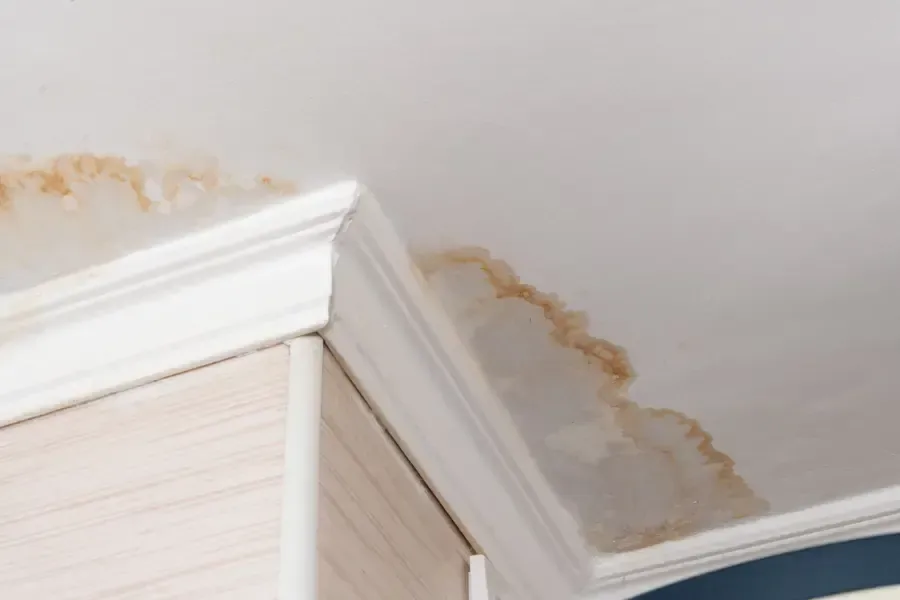
A ceiling stain is a destination, not a diagnosis. In a Bayshore Gardens property, water could have moved from bathroom plumbing, rain entry or an air handler before reaching the painted surface. Technicians establish a safe boundary below the mark, inspect accessible areas above and use moisture readings to define how far the cavity conditions extend.
How ceiling leak water damage is handled in Bayshore Gardens
- 1
Secure the room below
The crew establishes a safe perimeter around wet electrical and weakened finish concerns. Contents below are moved only from safe access.
- 2
Differentiate the source
Observations above the mark help separate plumbing, roof and condensate pathways. Recent weather and equipment use inform that distinction.
- 3
Create supported access
Openings are limited to what material condition and cavity drying requirements justify. Insulation condition is recorded during each opening.
- 4
Track overhead materials
Marked readings follow board, framing and connected walls to a verified endpoint. Finishing work waits for the completed record.
What does ceiling leak water damage cost in Bayshore Gardens, FL?
Ceiling leak mitigation commonly ranges from $800 to $5,200 or more. Source type, insulation, electrical fixtures, affected area and the access required above the finish determine the final scope.
Small accessible ceiling area
$800 to $2,250
- Focused source survey
- Limited finish access
- Short drying cycle
Cavity and wall involvement
$2,250 to $3,700
- Insulation evaluation
- Connected wall readings
- Equipment monitoring
Broad overhead damage
$3,700 to $5,200+
- Several ceiling sections
- Extensive selective removal
- Complex source route
For a closer planning number, try the water damage cost calculator. A firm figure comes after the walkthrough and moisture map.
The source determines the next trade and cleanup method
Plumbing discharge, roof water and condensate do not follow one repair path. The active source must be corrected by the appropriate professional before closure. Meanwhile, the restoration crew documents the mark, checks nearby fixtures and evaluates drywall, insulation and framing. A bowed surface stays isolated because saturated board can release without warning.
- Keep furniture and people away from the area below.
- Do not touch wet lights, fans or electrical devices.
- Photograph stain growth from a stable position.
- Note recent plumbing, weather or cooling-system activity.
- Avoid painting over the mark before investigation.
Controlled access reveals what a painted face conceals
Thermal imaging can direct the survey, but direct readings verify damp materials. If insulation holds water or the cavity cannot exchange air, a limited opening may be needed. Clean, stable framing can often be dried with directed airflow and dehumidification after unsuitable wet materials are addressed. Every opening should have a material reason.
Homes near the Bayshore Gardens Shopping Center, South Bradenton and Whitfield can have different ceiling systems and mechanical layouts. Monitoring follows the specific assembly. Readings taken at marked joists, wall tops and board edges show whether the setup works or whether access needs adjustment.
Cosmetic covering can hide an active problem
Paint does not correct the source or remove moisture from insulation and framing. The assembly needs investigation before finish repair.
A documented endpoint prevents premature closure
The final record identifies the source category, affected overhead area, access made and finishing readings. For properties near Bowlees Creek, Sarasota Bay or Bayshore Gardens Parkway, that file clarifies what restoration completed and which separate repair remains.
Contents below the leak receive their own condition record. Dry furniture can be moved beyond the work area, while affected textiles or finishes are kept from contacting clean surfaces. This keeps the overhead investigation from creating a second moisture route at floor level.
Before closure, the crew checks that the source correction did not hide a marked ceiling or wall point that still needs comparison.
Coverage
Ceiling Leak Water Damage across Bayshore Gardens, FL
Service includes Bayshore Gardens homes near Sarasota Bay and Bowlees Creek, along with properties toward South Bradenton and Whitfield. Dispatch needs details about the active source, wet rooms and any unsafe access.
See every area servedQuestions
Ceiling Leak Water Damage questions in Bayshore Gardens
What can cause a ceiling water mark?
Possible causes include plumbing above, rain entering through the roof and air-conditioning condensate. The stain shape alone does not decide among them. Timing, inspection above the surface and direct readings help identify the likely route. Contents beneath the area should also remain outside the possible fall zone.
Is a sagging wet ceiling dangerous?
Yes. Saturated board can lose strength, and nearby fixtures may create electrical concerns. People should stay out from beneath the area and avoid puncturing it. Controlled assessment determines how pressure and damaged material can be handled safely. The complete route is documented before ceiling repair begins.
Can stained drywall dry without removal?
Stable board affected by suitable water may sometimes remain when both sides can dry and readings improve. Drywall that has lost integrity, holds contamination or blocks access to wet insulation may need selective removal based on observed conditions.
Why inspect the wall below a ceiling leak?
Water can leave the overhead cavity and continue down framing or behind paint. Wall-top and base readings show whether the route continued. Ignoring that connection can leave a damp area outside the obvious ceiling mark.
When can the ceiling be repainted?
Finish work should wait until the source is corrected, retained materials reach their documented goal and removed sections are prepared for repair. Painting too early can hide recurring staining or close moisture inside an overhead assembly.
What changes the ceiling cleanup price?
Affected size, source, wet insulation, fixtures, wall travel and access all affect the work. A reachable clean-water mark differs from a broad bowed ceiling with several cavities, damaged insulation and uncertain overhead entry.
24/7 emergency dispatch
Ceiling Leak Water Damage care for Bayshore Gardens
Source tracing, safe access and repeat overhead readings turn an unexplained stain into a defined mitigation and repair plan. The closing record keeps source repair separate from finish work.
(888) 621-2041Request Ceiling Leak Water Damage help
Bayshore Gardens, FL · Find us on Google