Bathroom overflow response
Toilet Overflow Cleanup in Palmetto, FL
The bowl contents, drain condition and surfaces reached determine whether a bathroom needs simple extraction or controlled contamination procedures. Foot traffic after the event is also recorded because it can extend the cleaning boundary beyond the doorway.
(888) 621-2041Request overflow cleanup- Water classification
- Threshold inspection
- Sanitary cleanup
First questionWhat entered the bowl
Critical edgeBathroom doorway transition
Materials checkedTile baseboard and adjoining floor
Cleanup basisCategory and contact path
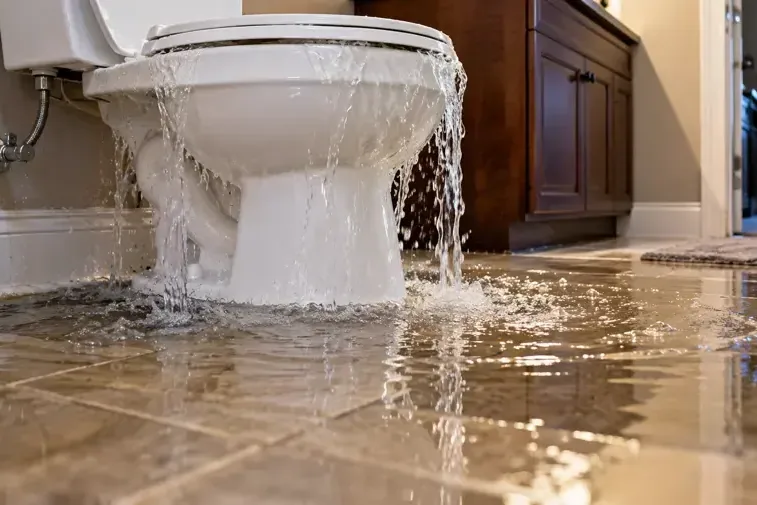
A toilet event changes character according to its source. Fresh tank water differs from bowl contents or a drain backup, and cleanup should not begin until that distinction is clear. In Palmetto bathrooms around Riveria Dunes, Shadow Brook Mobile Home Park and the Manatee River, technicians inspect the actual threshold and connected finishes instead of assuming the tile contained everything.
How toilet overflow cleanup is handled in Palmetto
- 1
Classify the fixture event
Source details and observed contents establish protective procedures before extraction begins.
- 2
Inspect every transition
The survey covers grout, wall bases, cabinet edges and flooring outside the bathroom.
- 3
Clean or remove by material
Contaminated porous finishes and retainable hard surfaces follow separate documented methods.
- 4
Verify retained construction
Repeat values confirm that treated floor and wall components reached their moisture goal. The file pairs each retained surface with its cleaning method and every removed finish with its original location.
What does toilet overflow cleanup cost in Palmetto, FL?
Toilet overflow cleanup generally ranges from $700 to $4,200 or more. Water category, bathroom finishes, doorway spread and porous material removal determine cost. Fixture repair is priced separately.
Contained hard floor
$700 to $1,850
- Fixture area extraction
- Water category notes
- Tile edge checks
Threshold and wall spread
$1,850 to $3,000
- Adjoining floor testing
- Base material evaluation
- Controlled sanitation work
Contaminated connected areas
$3,000 to $4,200+
- Porous finish removal
- Several treatment sections
- Detailed completion records
For a closer planning number, try the water damage cost calculator. A firm figure comes after the walkthrough and moisture map.
The bathroom stays isolated while water is classified
Occupants should stop fixture use, keep others outside and avoid carrying towels into clean rooms. A familiar shutoff may be closed from a dry position. Photos taken from the doorway record the fixture, floor edge and nearby contents. The crew asks what occurred before the overflow, whether waste was present and where anyone walked afterward. Those facts establish protective measures.
- Stop using the fixture and nearby drains.
- Keep children and pets outside the bathroom.
- Leave household mops and vacuums in place.
- Photograph the floor from a clean threshold.
- Report every surface crossed after contact.
Doorways reveal whether the loss stayed contained
Grout and hard tile can appear simple to clean, but water may reach an underlayment, wall base or cabinet edge. Direct readings test those points and the flooring immediately outside the room. Contaminated porous finishes are evaluated for controlled removal. Suitable hard surfaces receive cleaning appropriate to the water category before drying begins.
Air movement is introduced only after contamination concerns are controlled. Dehumidification removes vapor from retained construction, while marked readings track the bathroom and adjoining floor separately. The sewage backup service addresses broader wastewater conditions. A toilet overflow remains its own documented event with a defined fixture source and travel path.
Clear water can change after contact
Delay and contact with dirty surfaces affect classification and material decisions.
Closeout notes follow each bathroom surface
The final record identifies classification, extraction, discarded porous finishes, treated hard materials and ending moisture values. It also names the separate plumbing correction needed before normal fixture use resumes.
The toilet base and the first floor transition receive separate notes. Water beside the fixture may enter a seal opening, while water at the doorway may reach an entirely different floor layer. Technicians identify those routes before deciding where cleaning ends and drying begins. This prevents one visible bathroom pool from being treated as a single uniform material condition.
Photographs preserve the clean side of the doorway before equipment enters.
Coverage
Toilet Overflow Cleanup across Palmetto, FL
The restoration team serves Palmetto properties near Riveria Dunes, Shadow Brook Mobile Home Park and the Manatee River. Source details and safe entry information help the crew plan the first inspection and extraction work.
See every area servedQuestions
Toilet Overflow Cleanup questions in Palmetto
Does every toilet overflow contain sewage?
No. Fresh tank water differs from bowl water or a drain backup. Technicians classify the event from the source, contents and contact path before choosing protective measures, cleaning methods and material removal decisions.
Should towels be placed around the toilet?
Household towels can spread contaminated water and later enter laundry areas. Occupants should keep the room isolated, avoid walking through the overflow and wait for category appropriate extraction and cleaning procedures.
Why inspect flooring outside the bathroom?
Water can pass through grout, beneath a threshold or along a wall base before becoming visible. Testing the adjoining floor establishes whether the loss stayed on tile or reached a more absorbent material.
Can bathroom drywall remain?
Stable wall material may stay when water category, condition, access and repeat readings support retention. Contaminated, softened or delaminated finishes require a different decision, particularly when moisture reached an enclosed wall base.
Who corrects the toilet problem?
A plumbing professional repairs the blockage, seal, valve or fixture component. Restoration work addresses water classification, extraction, cleaning, material evaluation, drying and documentation. Keeping both scopes distinct clarifies the incident history.
What affects the cleanup price?
The water category, floor construction, wall contact, cabinet edges and spread through the doorway shape the scope. A small fresh tank spill differs from bowl water reaching carpet, wood or concealed underlayment. After cleaning, technicians inspect the fixture perimeter, wall bases and threshold before measuring retained construction. The closing file shows which areas remained inside the controlled zone and which adjacent surfaces tested dry. The record also notes any clean area protected during equipment removal and fixture repair coordination afterward. Clearly.
24/7 emergency dispatch
Toilet water crossing the bathroom floor?
Fast classification and threshold checks keep the cleanup matched to the actual contents and materials reached. The documented source and travel path make later flooring, wall and plumbing repairs easier to coordinate.
(888) 621-2041Start bathroom cleanup
Palmetto, FL · Find us on Google