Contaminated water containment
Sewage Backup Cleanup in Palmetto, FL
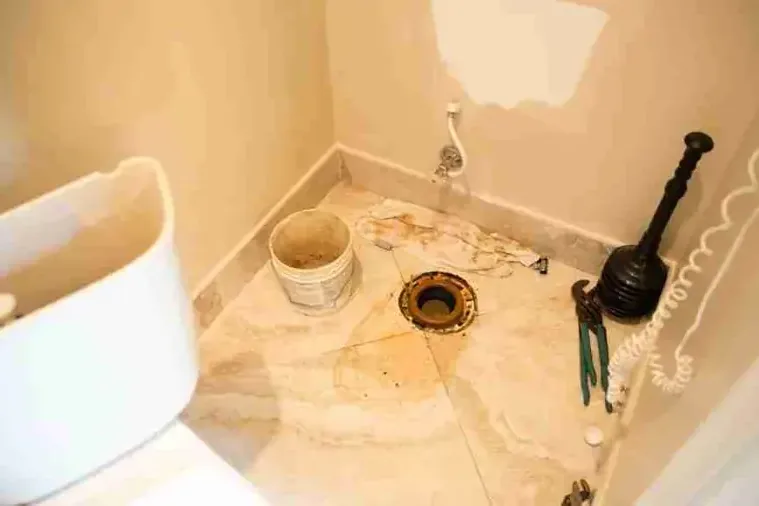
Wastewater requires immediate separation from occupied rooms, with protective procedures and material decisions based on every surface the backup reached. The plan also tracks any foot traffic that crossed from the affected area into clean space.
(888) 621-2041Palmetto sewage cleanup help- Category 3 controls
- Porous material removal
- Sanitation records
Water categoryCategory 3 wastewater
First controlSeparate occupied areas
Material decisionRemove or clean by condition
Completion recordTreatment and drying notes
A drain backup can soil one bathroom and still spread through a doorway, grout joint or tracked residue. In Palmetto, buildings near Riveria Dunes, the Sarasota Branch and Shadow Brook Mobile Home Park have different room connections. The response maps the actual contaminated boundary, keeps occupants outside it and selects protective measures before porous material is disturbed.
How sewage backup cleanup is handled in Palmetto
- 1
Set a controlled boundary
The crew maps residue, tracked paths, doorways and occupied areas that need separation.
- 2
Remove affected porous finishes
Contaminated absorbent materials are documented and taken out using controlled procedures.
- 3
Treat retained hard surfaces
Cleanable materials receive suitable cleaning before the drying phase starts.
- 4
Document the final condition
Records connect containment, disposal, treatment and material readings for each work zone. The clean side of containment is checked throughout removal so the work route remains documented and controlled.
What does sewage backup cleanup cost in Palmetto, FL?
Sewage backup cleanup generally ranges from $2,200 to $12,000 or more. Contaminated area, porous material removal, access and drying needs determine cost. Plumbing correction remains separately priced.
Contained bathroom area
$2,200 to $5,450
- Controlled work boundary
- Porous material evaluation
- Hard surface treatment
Several connected finishes
$5,450 to $8,650
- Threshold contamination checks
- Selective finish removal
- Documented drying chamber
Extensive wastewater spread
$8,650 to $12,000+
- Multiple contained sections
- Broader material disposal
- Detailed sanitation records
For a closer planning number, try the water damage cost calculator. A firm figure comes after the walkthrough and moisture map.
Containment limits movement into clean rooms
Residents should not walk through wastewater or carry towels and cleaning tools into another space. Children and pets stay away. Photographs taken from outside the affected area preserve the source, visible residue and floor perimeter. Technicians then establish controlled access and identify every threshold that needs inspection. A plumber corrects the drain fault separately from the restoration work.
- Keep everyone outside affected rooms.
- Avoid fans that can spread contaminated particles.
- Do not use household vacuums on wastewater.
- Photograph conditions without entering residue.
- Report every space crossed after the backup.
Porous and cleanable materials follow different paths
Carpet pad, saturated drywall and other porous finishes within the contaminated area are evaluated for controlled removal. Hard, intact surfaces may be cleaned using methods suitable for the condition. Hidden edges behind a toilet, vanity or wall base receive direct inspection. Removal exposes supporting construction so remaining moisture can be measured instead of trapped behind a finished face.
Drying begins after contaminated debris is removed and cleanable surfaces receive treatment. Airflow remains within the controlled work area, while dehumidification manages vapor. The crew records each material decision, treatment step and progress value. The toilet overflow service applies when a fixture event requires separate classification before its cleanup path is known.
Odor does not define the boundary
Visible residue, contact history and material testing establish the controlled area.
The file follows the wastewater from start to finish
Closeout information names the source area, containment, removed porous items, treated surfaces and ending moisture condition. That sequence supports repair planning without obscuring which rooms remained outside the affected zone.
Containment placement follows doorways and the documented contact path, not odor alone. Technicians photograph the clean side before work begins and protect the route used for bagged debris. Tools used inside remain controlled until cleaned. These details reduce the chance that removal activity expands the affected area while exposed framing and floor layers are being evaluated.
Bagging paths and tool controls remain part of the sanitation record through the last debris removal.
Coverage
Sewage Backup Cleanup across Palmetto, FL
The restoration team serves Palmetto properties near Riveria Dunes, Shadow Brook Mobile Home Park and the Manatee River. Source details and safe entry information help the crew plan the first inspection and extraction work.
See every area servedQuestions
Sewage Backup Cleanup questions in Palmetto
Can residents clean a sewage backup themselves?
Occupants should remain outside wastewater and avoid spreading residue with shoes, towels or household equipment. Professional containment, protective procedures and material evaluation are needed when sewage contacts building finishes and hidden edges.
What materials usually need removal?
Contaminated porous materials such as carpet pad, insulation or deteriorated drywall often cannot be reliably cleaned in place. The crew documents condition and exposure before controlled removal. Hard intact surfaces receive a separate cleaning evaluation.
Why are nearby rooms inspected?
Foot traffic and connected flooring can carry contamination beyond the obvious pool. Doorways, grout joints and wall bases are checked so containment reflects the actual contact path instead of stopping at the first visible edge.
When can drying equipment start?
Drying follows debris removal and treatment of surfaces that will remain. Starting airflow too early can distribute contaminants. Equipment stays within the controlled area and is adjusted according to direct readings from exposed construction.
Who repairs the blocked drain?
A plumbing professional diagnoses and corrects the drain or fixture problem. The restoration scope handles containment, contaminated material removal, surface treatment, drying and documentation. Both scopes should appear separately in the incident file.
What changes sewage cleanup cost?
The affected area, porous finishes, access, tracked residue and number of contained rooms shape labor and disposal. A single hard floor differs from wastewater reaching carpet, drywall, cabinets and an adjoining occupied space. A final walkthrough checks exposed construction, retained hard surfaces and the path used to remove debris. The report identifies which items left the building and which materials completed cleaning and drying inside containment. Final photographs preserve the cleaned boundary.
24/7 emergency dispatch
Contaminated water inside an occupied area?
Containment, controlled removal and documented treatment protect clean rooms while affected construction is prepared for repair. The closing record links the initial contamination boundary with each removed, treated and dried material.
(888) 621-2041Begin sewage response
Palmetto, FL · Find us on Google