Rapid measured water removal
Emergency Water Extraction in Palmetto, FL
When a supply break or storm leaves water indoors, extraction starts at the deepest accessible areas and follows moisture into seams, cabinets and wall bases before focused drying begins.
(888) 621-2041Arrange Palmetto extraction service- Bulk water removal
- Perimeter moisture mapping
- Verified material drying
First objectiveReduce accessible water volume
Survey rangeFlooring walls cabinets
Local contextRiverfront and inland properties
Finish standardStable comparison readings
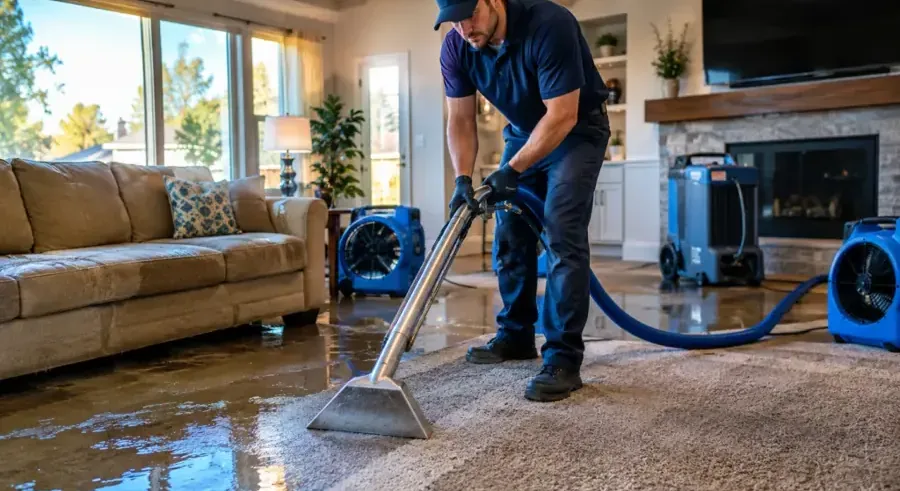
A pool of water shows only the easiest part of a loss to find. In Palmetto, liquid from a pipe, appliance or weather event can cross thresholds and settle beneath a finish before anyone sees the outer edge. Technicians inspect the source area, identify immediate hazards and mark damp materials with direct readings. Pumps and extraction attachments then remove the recoverable volume while the map keeps attention on hidden routes.
How emergency water extraction is handled in Palmetto
- 1
Establish the wet boundary
Direct readings extend the survey from open pooling into connected floors, walls and cabinet bases.
- 2
Remove recoverable liquid
Pumps and specialized attachments reduce water on broad surfaces, seams and reachable confined edges.
- 3
Configure the drying zone
Air movement and dehumidification are selected for the materials, room volume and measured load.
- 4
Confirm stable values
Repeated checks at labeled points show when retained assemblies meet an appropriate dry comparison.
What does emergency water extraction cost in Palmetto, FL?
Emergency extraction commonly costs $900 to $6,500 or more. One accessible clean-water room may fall lower, while contamination, multiple rooms, cabinets and concealed floor layers can increase the required work.
Accessible contained release
$900 to $2,750
- Open floor extraction
- Perimeter meter checks
- Initial condition photos
Spread through assemblies
$2,750 to $4,600
- Detail edge tools
- Cabinet base surveying
- Several equipment positions
Extensive concealed movement
$4,600 to $6,500+
- Multiple mapped spaces
- Selective material access
- Longer progress monitoring
For a closer planning number, try the water damage cost calculator. A firm figure comes after the walkthrough and moisture map.
Removal follows the water, not the room outline
A crew may begin on open hard flooring and then change tools at carpet edges, cabinet toes or board seams. Each pass reduces the liquid that would otherwise have to evaporate. Dry belongings remain outside the mapped work zone, and initial photographs preserve the condition before furniture or contents are shifted. Properties near Riveria Dunes may have very different finishes from homes at Shadow Brook Mobile Home Park, so the method follows the actual assembly.
- Avoid rooms containing wet electrical components.
- Close a familiar valve only from dry footing.
- Photograph the source and visible water boundary.
- Move dry portable items away from damp surfaces.
- Report every doorway the water crossed.
Drying addresses what extraction cannot lift
Once surface water is gone, meters check lower walls, flooring layers and fixed cabinetry. Directed airflow encourages retained moisture to leave exposed material, while dehumidifiers collect vapor from the controlled space. The arrangement is not static. Equipment can be moved when one marked location changes quickly and another remains elevated. Conditions near the tidal Manatee River do not determine an indoor dry-out, but outside water requires separate contamination decisions before equipment placement.
Monitoring uses the same points on later visits. Those measurements are compared with a suitable unaffected area in the property rather than a generic number. The drying time estimator explains why material density and access matter, but onsite readings establish the endpoint.
Extraction and dryness are separate findings
A clear floor confirms that pooled liquid was removed. Padding, subflooring and wallboard are then measured for moisture still held inside them.
Final records prepare the next decision
The closing file identifies the source, rooms inspected, tools used and ending values. It also notes any finish removed because it failed physically or could not be treated safely. That sequence gives owners across Palmetto and businesses near the Sarasota Branch a practical record for repair and claim discussions.
Coverage
Emergency Water Extraction across Palmetto, FL
The restoration team serves Palmetto properties near Riveria Dunes, Shadow Brook Mobile Home Park and the Manatee River. Source details and safe entry information help the crew plan the first inspection and extraction work.
See every area servedQuestions
Emergency Water Extraction questions in Palmetto
Why map moisture after standing water is gone?
Liquid can remain beneath flooring, inside wallboard and under fixed cabinets after the surface looks clear. Meter readings locate those damp layers, create a baseline and show whether the drying plan is changing material conditions.
What can occupants do before equipment arrives?
People should avoid wet electrical items and weakened finishes. A familiar source may be stopped from a dry position. Photos can preserve the loss, while dry movable belongings can be placed beyond the affected boundary.
How are narrow edges and seams treated?
Broad extraction removes the largest volume first. Smaller attachments then address accessible carpet borders, board joints and cabinet openings. If a closed layer remains wet, readings help determine whether controlled access is justified.
Can soaked carpet remain in the room?
Water category, backing condition, padding and measured response all matter. Stable carpet affected by clean water may be extracted and monitored. Delaminated or contaminated material requires a different evaluation and may not be retained.
Why might equipment positions change during drying?
Floors, walls and cabinets release moisture at different rates. When readings show one zone improving while another stalls, the crew can redirect airflow or modify access so resources remain focused on material still above its goal.
What determines the price of water extraction?
The category, affected area, construction and access shape the scope. Water crossing several rooms or entering enclosed layers needs more detail work, equipment and monitoring than a small release remaining on one open surface. Extraction removes available water, while the next readings determine what remains inside floor edges, cabinet toes and wall bases. At a Riveria Dunes home, room transitions receive separate checkpoints because water can pass beneath a visible boundary.
24/7 emergency dispatch
Emergency extraction for Palmetto properties, available 24/7
Prompt volume removal and a measured dry-out give affected floors, walls and cabinets a documented path toward repair planning. Volume removal creates the starting condition for measured structural drying.
(888) 621-2041Start Palmetto water extraction
Palmetto, FL · Find us on Google