Condensate path cleanup
Air Conditioner Leak Cleanup in Palmetto, FL
A drain blockage, failed pan or air handler problem can wet finished materials away from the equipment, so mechanical repair and building recovery need separate records. That distinction prevents a repaired drain from being mistaken for a completed dry-out.
(888) 621-2041Request condensate cleanup- Drain path checks
- Electrical caution
- Cavity moisture readings
Starting pointDrain pan and equipment area
Hidden routeCloset wall or ceiling cavity
Separate tradeCooling system correction
Drying proofMarked material checkpoints
Condensate often leaves a small clue while water follows framing or flooring away from the cooling equipment. In Palmetto, an air handler near a Riveria Dunes living space may present different access from equipment near Shadow Brook Mobile Home Park. The restoration crew inspects the pan, drain area and surrounding finishes, then extends measurements toward the Manatee River side or any adjoining room indicated by the actual layout.
How air conditioner leak cleanup is handled in Palmetto
- 1
Inspect the equipment surroundings
The survey covers the drain, pan, enclosure and visible finish contacts without opening energized equipment.
- 2
Test connected materials
Meters compare closet walls, ceiling sections, thresholds and rooms beside or below the unit.
- 3
Dry with targeted access
Detail extraction and evidence based openings reach trapped water while limiting finish disturbance.
- 4
Record separate completion points
The file documents building recovery independently from the cooling contractor correction. Adjacent rooms are included only when their material values or construction connections support testing.
What does air conditioner leak cleanup cost in Palmetto, FL?
Air conditioner leak cleanup generally ranges from $750 to $5,000 or more. Equipment position, ceiling spread, cavity access and affected finishes shape the restoration amount. Separate cooling repair charges may apply.
Accessible equipment area
$750 to $2,150
- Drain area photos
- Closet water removal
- Wall edge readings
Ceiling or floor route
$2,150 to $3,550
- Cavity testing
- Selective finish access
- Condensate path records
Several connected rooms
$3,550 to $5,000+
- Multiple drying zones
- Trade coordination notes
- Extended moisture tracking
For a closer planning number, try the water damage cost calculator. A firm figure comes after the walkthrough and moisture map.
Wet electrical parts remain untouched
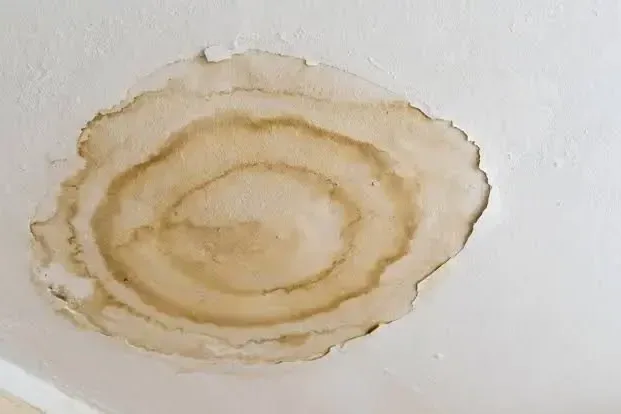
Occupants should stay away from damp switches, panels and equipment cabinets. A familiar thermostat in a dry location may be used only when operation is clear and safe. Photographs of drip marks, ceiling stains and stored contents preserve the scene before a cooling technician opens the unit. That technician handles the mechanical defect. The water damage scope begins with the construction that received condensate.
- Keep hands away from wet wiring and controls.
- Do not open the air handler cabinet.
- Record when dripping appears during operation.
- Move dry belongings without entering the wet area.
- Report stains in rooms below the equipment.
A narrow route can cross several materials
Closet drywall, insulation, ceiling board and flooring absorb water differently. Direct meter readings identify which layer is damp and where the perimeter ends. Detail tools remove accessible pooling before airflow begins. When evidence supports a small opening, technicians expose the trapped section without creating unnecessary damage. Stable finishes can remain when condition and progress readings support that choice.
Dehumidifiers collect vapor released into the room while air movers target accessible surfaces. Equipment placement avoids interfering with the cooling repair. Repeated values at the enclosure, threshold and ceiling below show whether the route is shrinking. The ceiling leak service helps compare overhead symptoms when plumbing or roof entry is also possible.
A cleared drain does not dry construction
Walls and ceilings keep their own moisture condition after condensate flow stops.
The closing file separates both scopes
Final notes identify the mechanical finding, rooms tested, access created, water removed and ending material values. The record makes clear where cooling repair ended and where finish recovery prepared the property for later work.
At the equipment-room doorway, the crew marks values on both sides of the transition. Readings around the closet wall and the ceiling below show which sections received condensate and which stayed dry. Comparing those locations narrows the chamber and gives the cooling contractor useful context without assigning mechanical conclusions to restoration staff.
Coverage
Air Conditioner Leak Cleanup across Palmetto, FL
The restoration team serves Palmetto properties near Riveria Dunes, Shadow Brook Mobile Home Park and the Manatee River. Source details and safe entry information help the crew plan the first inspection and extraction work.
See every area servedQuestions
Air Conditioner Leak Cleanup questions in Palmetto
Should the cooling system remain on?
Operation may create more condensate, but wet electrical parts and unfamiliar controls should never be touched. A cooling technician decides equipment operation. Restoration workers assess the ceiling, wall and floor materials that received water outside the unit.
Why can a small drain problem stain another room?
Condensate may follow framing, a pipe surface or the back of drywall before reaching a visible opening. The stain is one exit point. Measurements through connected materials establish whether the affected route extends beside or below the equipment.
Who repairs the air conditioner?
A qualified cooling contractor corrects the pan, drain, pump or air handler fault. The restoration crew handles extraction, material testing, selective access, drying and documentation around that equipment. Each responsibility appears separately in the incident record.
Can damp closet drywall remain?
Sound drywall exposed to suitable water may stay when direct access and repeated readings show improvement. Soft board, separated paper, wet insulation or a concealed layer that stops responding may need controlled removal after the source is corrected.
Why check a ceiling below the unit?
Water can move along joists and wall surfaces before gravity brings it through a ceiling. Testing the room below distinguishes a contained equipment closet problem from a route involving insulation, ceiling board and another occupied area.
What determines the cleanup price?
Equipment location, cavity access, material condition and the length of the condensate route affect labor and drying needs. Mechanical repair is separate. A dry closet floor costs differently from a loss involving insulation and several finished rooms. Location matters because attic equipment, closets and finished areas offer different access. The response documents what could be reached, where a controlled opening was required and which adjoining material stayed dry throughout the incident.
24/7 emergency dispatch
Condensate entering finished rooms? Start cleanup.
Mechanical correction stops the source while measured restoration addresses the ceilings, walls and floors that received water. A final material map identifies where finish work can proceed after both scopes are complete.
(888) 621-2041Begin condensate recovery
Palmetto, FL · Find us on Google