Tank and connection leak response
Water Heater Leak Cleanup in Palmetto, FL
A failed tank or fitting can empty into a garage, closet or adjoining room. Cleanup controls utilities safely, removes water and maps spread beyond the appliance. Stored contents and adjoining finishes are checked beyond the tank footprint.
(888) 621-2041Request water heater cleanup- Utility safety checks
- Perimeter water extraction
- Adjoining room mapping
Typical sourcesTank valve or connection
First concernSafe utility isolation
Spread pointsFloor edges walls thresholds
Drying basisMapped material values
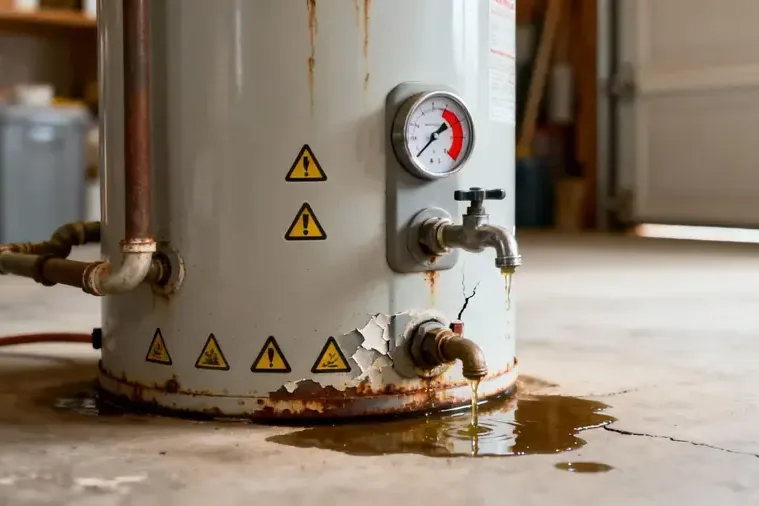
Water around a heater can come from the tank, a fitting, a valve or nearby plumbing. Before extraction, the appliance and relevant utilities require safe control by an appropriate professional. The restoration team records the apparent source and follows water from the equipment footprint toward wall bases, flooring seams and neighboring rooms. A surprisingly dry-looking utility area can still hide moisture past a threshold.
How water heater leak cleanup is handled in Palmetto
- 1
Coordinate safe source control
The appliance and its utilities are stabilized before water removal changes conditions around the failed unit.
- 2
Extract from center outward
Tools remove open liquid, then address reachable floor joints, thresholds and perimeter wall edges.
- 3
Test connected construction
Readings identify whether adjacent rooms, drywall, cabinets or flooring layers joined the wet boundary.
- 4
Track the selected dry-out
Marked materials and room conditions are checked until retained assemblies reach appropriate comparison values.
What does water heater leak cleanup cost in Palmetto, FL?
Water heater leak cleanup often ranges from $850 to $5,500 or more. A contained hard-surface release may stay lower, while hidden wall, cabinet or adjoining-room moisture increases the work.
Contained utility area
$850 to $2,400
- Open water extraction
- Perimeter moisture checks
- Initial source photos
Spread beyond appliance
$2,400 to $3,900
- Threshold detail work
- Lower wall evaluation
- Managed drying equipment
Multiple wet assemblies
$3,900 to $5,500+
- Adjoining room mapping
- Selective cavity access
- Extended progress readings
For a closer planning number, try the water damage cost calculator. A firm figure comes after the walkthrough and moisture map.
Utility safety comes before moving the appliance
Occupants should not operate wet switches, touch connections or attempt to shift a full damaged tank. If a familiar water shutoff is reachable without crossing the wet area, it may limit continued flow. Photos taken before plumbing work preserve the original path. Palmetto properties around Riveria Dunes, Shadow Brook Mobile Home Park and the Manatee River vary in utility placement, so the survey begins with the specific room rather than a presumed layout.
- Stay clear of wet electrical controls.
- Do not move the tank without professional help.
- Close water only from safe dry access.
- Photograph rust, fittings and surrounding water.
- Check the next room for damp edges.
Extraction expands from the heater footprint
Open liquid is removed first with equipment suited to the floor. Detail tools address reachable joints and wall edges. Technicians test adjoining finishes, cabinet bases and lower partitions because a slow release may travel beyond the visible puddle. If water reached porous drywall or insulation, its condition and ability to dry are evaluated. Clean supply water can change after extended contact with dirty surfaces.
Airflow is arranged around exposed damp material without interfering with appliance correction. Dehumidifiers handle moisture released into the room, and consistent checkpoints reveal the response. A garage slab, finished closet floor and wood assembly need different attention. The crew changes equipment when readings stall rather than assuming one placement suits the entire loss.
Replacement does not finish water restoration
A new heater corrects the appliance problem. Floors and walls affected by the old release still need measured evaluation and drying.
Loss records distinguish equipment from building work
The completion file identifies the leak conditions, extraction boundary, affected materials and final comparisons. It separates plumber or installer tasks from structural moisture work. Owners elsewhere in Palmetto and businesses near the Sarasota Branch receive a clear account of what happened around the appliance and beyond it.
A tank beside stored belongings can conceal a floor edge after the visible pool is gone. Photographs at the base, connections and nearest threshold preserve the release path before extraction changes the scene.
Coverage
Water Heater Leak Cleanup across Palmetto, FL
The restoration team serves Palmetto properties near Riveria Dunes, Shadow Brook Mobile Home Park and the Manatee River. Source details and safe entry information help the crew plan the first inspection and extraction work.
See every area servedQuestions
Water Heater Leak Cleanup questions in Palmetto
What should happen when water surrounds a heater?
Keep away from wet electrical or gas controls and do not move the tank. A known water valve may be closed from dry access. Photograph the area and report water in nearby rooms.
Does replacing the water heater solve the damage?
Replacement corrects the appliance failure but does not remove moisture already inside flooring, drywall or cabinets. Those materials need separate inspection, extraction and drying verification before finishes are closed or repaired.
Why inspect beyond the utility room?
Water can cross a threshold, follow a wall edge or enter seams beneath the visible surface. Meter checks in adjoining spaces establish whether the loss remained contained or reached connected assemblies.
Can garage drywall stay after a tank leak?
Stable material exposed to suitable water may remain if access and readings show improvement. Swelling, loss of strength, contamination or trapped moisture can justify controlled removal, with the reason documented.
How is drying equipment placed around the heater area?
After safe appliance work, air movement targets exposed damp surfaces and dehumidification manages room vapor. Placement reflects the actual floor and wall materials, then changes if repeated values show uneven progress.
What influences water heater cleanup pricing?
Release volume, discovery time, flooring type and spread into walls or nearby rooms shape the total. An accessible puddle on hard surface differs from prolonged water entering cabinets and enclosed finish layers. Photographs of the tank and its connections preserve the source conditions before plumbing components are removed or replaced. The file distinguishes plumbing replacement from extraction, wall-base checks and drying of adjoining finishes. Ending photos identify the dry threshold and retained wall base after equipment removal.
24/7 emergency dispatch
Water heater leak cleanup in Palmetto, ready 24/7
Safe utility coordination, perimeter extraction and documented readings address both the failed appliance area and water that escaped beyond it. A documented perimeter keeps tank replacement separate from material recovery.
(888) 621-2041Request Palmetto heater cleanup
Palmetto, FL · Find us on Google