Overhead leak source tracing
Ceiling Leak Water Damage in Palmetto, FL
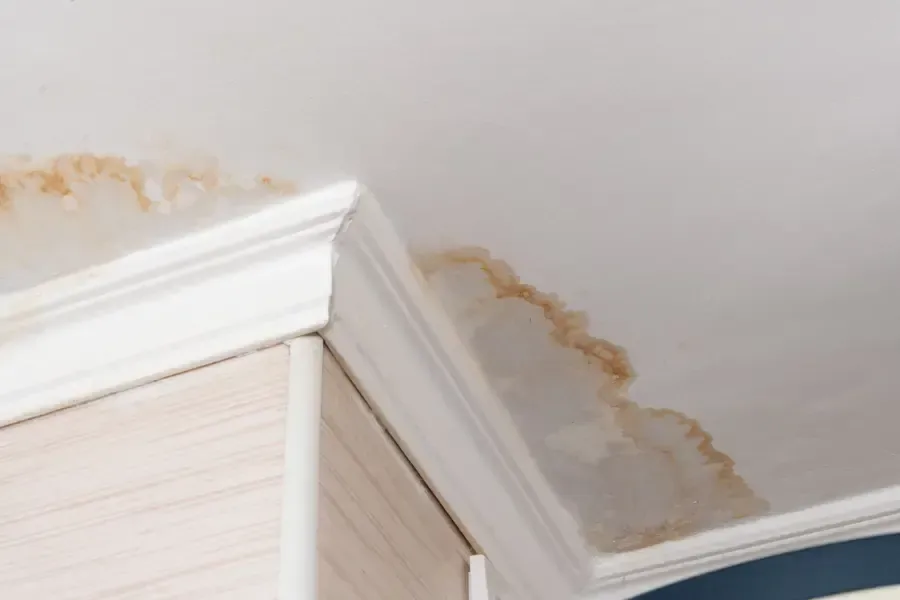
A spreading stain may begin at plumbing, roof entry or air-conditioning condensate. Technicians secure the room, investigate above the finish and map the true moisture boundary. Overhead stability comes first.
(888) 621-2041Palmetto ceiling leak help- Safe room assessment
- Source path investigation
- Overhead moisture readings
Visible clueStain drip or sag
Possible originsPlumbing rain or condensate
Safety priorityKeep people below clear
VerificationReadings above and around stain
A ceiling mark identifies where water became visible, not necessarily where it began. At the affected property, plumbing above the room, roof rain or an air-handler problem can create similar staining. The first inspection protects occupants from softened material and wet electrical fixtures. Technicians then study the area above, when safely accessible, and use direct readings to define damp drywall, insulation and framing.
How ceiling leak water damage is handled in Palmetto
- 1
Secure the affected room
The floor area below wet finishes is kept clear while electrical and overhead stability concerns are evaluationed.
- 2
Trace the likely origin
Inspection connects plumbing, roof or condensate evidence with readings taken across the ceiling assembly.
- 3
Open only where justified
Failed finishes and saturated insulation are handled under control to expose materials needing active drying.
- 4
Measure overhead progress
Labeled drywall and framing points are revisited until retained construction meets the chosen reference.
What does ceiling leak water damage cost in Palmetto, FL?
Ceiling leak restoration typically ranges from $800 to $5,200 or more. A small accessible stain may cost less, while saturated insulation, electrical concerns and broad concealed spread increase the scope.
Small accessible section
$800 to $2,250
- Source path inspection
- Ceiling moisture map
- Focused cavity drying
Several overhead materials
$2,250 to $3,700
- Insulation condition evaluation
- Controlled access opening
- Repeated framing readings
Broad concealed ceiling loss
$3,700 to $5,200+
- Multiple room checks
- Extensive wet finish handling
- Longer verification period
For a closer planning number, try the water damage cost calculator. A firm figure comes after the walkthrough and moisture map.
The room below remains clear until conditions are known
Occupants should avoid pressing a bulge, switching a wet light or standing beneath loose material. Photographs taken from a safe location record the stain shape and any dripping. The response team asks when the mark appeared and whether it changed with rain, fixture use or air conditioning. Those clues narrow the investigation without replacing measurements. A home at Riveria Dunes may have a different overhead layout from one near Shadow Brook Mobile Home Park, so the actual assembly controls access.
- Move people away from the area below.
- Do not puncture a swollen ceiling.
- Leave wet electrical fixtures switched off.
- Photograph changes from a safe position.
- Report activity occurring above the room.
Controlled access reveals the retained water
Once the source is identified and stopped, the crew evaluates whether ceiling material remains stable enough to dry. Saturated insulation or failed drywall may need careful removal to reduce weight and expose framing. Sound retained components receive directed airflow, while dehumidification manages vapor. The work boundary extends beyond visible discoloration whenever meter values show moisture continuing through the plane.
Technicians label measurement points so later visits compare the same places. If framing improves while an enclosed edge stays elevated, equipment or access can be changed. Source photographs and cavity readings connect the ceiling stain with the plumbing, roof or condensate problem that caused it. The drying time estimator provides planning context, while field values determine completion.
Source clues must agree with material evidence
Rain timing, plumbing use and condensate activity direct the search. Readings show which overhead components actually require restoration.
The final report explains every ceiling decision
Documentation includes initial photos, source findings, access points, removed materials and progress values. It notes the condition prepared for repair and any separate plumbing, roofing or mechanical work. That record serves properties across Palmetto, including those near the Sarasota Branch and riverfront.
A stain beside a ceiling fixture receives an electrical safety check before any opening is considered. The final map identifies the dry outer edge as clearly as the damp center, giving later repair work a defined ceiling section rather than an assumed one.
Coverage
Ceiling Leak Water Damage across Palmetto, FL
The restoration team serves Palmetto properties near Riveria Dunes, Shadow Brook Mobile Home Park and the Manatee River. Source details and safe entry information help the crew plan the first inspection and extraction work.
See every area servedQuestions
Ceiling Leak Water Damage questions in Palmetto
What should happen when a ceiling begins to sag?
Everyone should leave the area below and avoid wet electrical fixtures. Do not puncture or press the material. Photos from a safe position and a description of changes help the responding team prepare.
How is the source of a ceiling leak found?
Technicians compare the stain with plumbing, roof and condensate activity above it. Accessible cavity inspection and direct moisture readings then test those clues and identify the material boundary requiring work.
Can stained drywall dry without being removed?
Some stable drywall can remain when the source is suitable, access is adequate and measurements show improvement. Material that has lost strength, holds contamination or blocks needed cavity drying requires another decision.
Why check beyond the discolored area?
Water can travel along framing or the back of drywall before appearing. Meter readings may reveal moisture outside the visible stain, preventing equipment from being limited to the wrong portion of ceiling.
How does the crew know overhead framing is dry?
The same labeled locations are measured over time and compared with suitable unaffected material in the property. Equipment changes follow the trend, and completion relies on values rather than touch or appearance.
Which factors change ceiling leak cleanup cost?
Source type, affected area, insulation, safe access and electrical involvement all matter. One stable spot differs from water crossing several cavities, saturating insulation or weakening large sections of ceiling finish. Riverfront rain timing may offer a clue, yet plumbing and condensate still require comparison. The report records which source was confirmed, what material was exposed and how values changed at the ceiling face and within the cavity. Those closing values also define the ceiling section prepared for finish repair.
24/7 emergency dispatch
Ceiling leak restoration across Palmetto, available 24/7
Safe source tracing, selective access and repeat overhead readings turn an uncertain stain into a defined recovery plan. Safe access and repeat values support the final repair scope.
(888) 621-2041Get Palmetto ceiling leak help
Palmetto, FL · Find us on Google