Overhead rain path tracing
Roof Leak Water Damage in Palmetto, FL
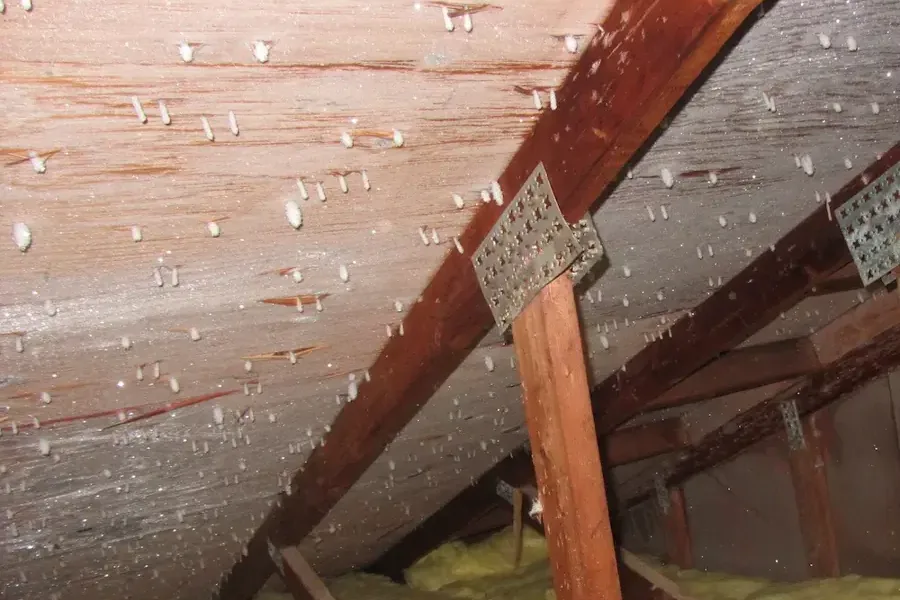
A ceiling drip may begin where rain crossed damaged roofing, yet spread through decking and insulation before appearing below. Inspection follows the entire overhead route. The room below and attic side are compared before access decisions begin.
(888) 621-2041Arrange roof leak drying- Attic moisture tracing
- Ceiling safety checks
- Documented cavity drying
Entry directionRoof to attic to ceiling
Safety concernSoftened overhead finishes
Materials checkedDecking insulation framing drywall
Separate repairRoof opening must be corrected
Roof water rarely falls straight from an opening to the stain below. It can track along decking, rafters, fasteners and insulation before reaching ceiling drywall. In Palmetto, the restoration response maps interior wet materials while a qualified roofing provider addresses the exterior defect. This separation keeps temporary water control, roof repair and structural drying clear in the project record.
How roof leak water damage is handled in Palmetto
- 1
Inspect from both directions
Accessible attic surfaces and occupied rooms are compared to understand the route from entry to stain.
- 2
Stabilize affected finishes
Unsafe or failed ceiling material is addressed under control, with decisions recorded before broad repair.
- 3
Dry exposed construction
Airflow and dehumidification target wet decking, framing and retained drywall after rain entry stops.
- 4
Verify overhead materials
Repeated readings at marked points show whether cavities are improving toward the property reference. Completion notes separate the corrected roof opening from insulation, framing and ceiling materials dried below it.
What does roof leak water damage cost in Palmetto, FL?
Roof leak water restoration generally ranges from $900 to $6,800 or more. One accessible ceiling area may remain lower, while wet insulation, several rooms and concealed framing spread increase the project.
Contained ceiling area
$900 to $2,850
- Interior path mapping
- Small insulation evaluation
- Focused drying setup
Attic and wall spread
$2,850 to $4,800
- Several assembly checks
- Controlled material access
- Progress reading records
Complex overhead damage
$4,800 to $6,800+
- Multiple affected rooms
- Broad insulation handling
- Extended cavity drying
For a closer planning number, try the water damage cost calculator. A firm figure comes after the walkthrough and moisture map.
Overhead safety sets the first boundary
A sagging ceiling, wet light fixture or unstable roof area should remain untouched. From a safe position, occupants can photograph staining and note whether dripping changes with rainfall. Technicians examine accessible attic and room surfaces, using meters to confirm the damp perimeter. Homes near Riveria Dunes, the Manatee River and Shadow Brook Mobile Home Park may differ in roof and ceiling construction, so no shared assembly is assumed.
- Stay out from beneath bowed ceiling sections.
- Do not operate a wet light or fan.
- Place no weight on uncertain attic surfaces.
- Photograph stains before they expand or dry.
- Report the rooms affected after each rain.
Insulation and enclosed cavities need direct evaluation
Wet insulation can hold water against wood and drywall, slowing evaporation and adding weight overhead. The crew checks its condition and whether safe, controlled removal is needed. Air movement is arranged across exposed components after the roof entry is stopped. Dehumidification collects moisture released into the enclosed work zone, while readings show whether decking, framing and ceiling material respond.
The stain boundary is not treated as the moisture boundary. Water may extend beyond discoloration or collect at a low framing point. Repeat measurements at named locations expose that difference. If one area remains elevated, access or equipment placement can change without opening unrelated finishes. Palmetto's storm history supports prompt inspection, but current onsite evidence defines the actual work.
Exterior correction does not dry the interior
Stopping rain prevents additional entry. Insulation, wood and drywall already affected still require evaluation and a measured recovery plan.
Closing notes connect two scopes of work
Documentation identifies the suspected entry path, interior boundary, material actions and final values. It should distinguish roofing work from water mitigation. Whether the property is near the Sarasota Branch corridor or elsewhere in the city, that sequence helps repair teams understand what was opened and why.
Near the Sarasota Branch, a roof symptom can cross insulation and framing before it reaches painted drywall. That offset matters when equipment is placed. Interior mapping continues past the stain until dry comparison points establish the outer edge.
Coverage
Roof Leak Water Damage across Palmetto, FL
The restoration team serves Palmetto properties near Riveria Dunes, Shadow Brook Mobile Home Park and the Manatee River. Source details and safe entry information help the crew plan the first inspection and extraction work.
See every area servedQuestions
Roof Leak Water Damage questions in Palmetto
Should a bucket be placed beneath a roof drip?
Only when it can be positioned without entering an electrical or ceiling-collapse hazard. A container may reduce surface spread, but it does not address wet insulation, framing or drywall above the room.
Why can the ceiling stain be far from the opening?
Rain follows slopes, framing and fasteners before reaching a low point. The visible mark may therefore sit away from the exterior defect. Attic inspection and direct readings help reconstruct the route.
Who repairs the actual roof problem?
A qualified roofing provider handles the exterior defect. The restoration crew evaluates and dries interior materials. The two scopes should be coordinated so additional rain does not feed the affected assembly.
Does all wet insulation need removal?
Condition, contamination, type and access determine the decision. Saturated insulation that cannot dry effectively may need controlled removal. Any retained material should be supported by safe access and measurable improvement.
How is an overhead cavity declared dry?
Technicians revisit labeled decking, framing and ceiling locations and compare them with suitable unaffected material. Equipment can be adjusted when trends stall. Appearance alone cannot verify an enclosed layer.
What controls the cost of roof leak restoration?
The number of rooms, insulation involvement, safe access and hidden travel path all matter. A small fresh stain differs from rain moving through broad attic areas, wall cavities and several ceiling sections. At Shadow Brook Mobile Home Park or Riveria Dunes, roof assemblies and interior access can differ. The restoration record therefore describes the observed construction, the confirmed entry path and each retained or removed material instead of assigning a citywide pattern. The record also states which neighboring framing bays remained dry and outside the work scope.
24/7 emergency dispatch
Roof leak drying in Palmetto, ready 24/7
Interior path mapping and repeated moisture checks help turn an overhead leak into a defined drying and repair plan. Roof repair stops entry; measured interior drying addresses what remains beneath it.
(888) 621-2041Start Palmetto roof leak recovery
Palmetto, FL · Find us on Google