Measured building drying
Structural Drying in Lakewood Ranch, FL
Air conditions, material readings and cavity access determine equipment placement for condominiums, villas, townhomes and detached houses. Each affected assembly receives its own baseline and completion goal.
(888) 621-2041Request Structural Drying help- Air and material data
- Defined drying zones
- Measured completion goals
System measuredAir, materials and enclosed cavities
Equipment rolesEvaporation and vapor removal
Local varietyCondominiums, villas and detached homes
End pointStable comparison readings
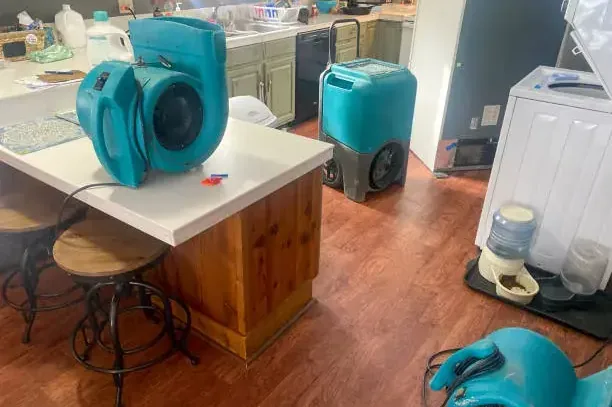
Drying a building is an exercise in measurement, not a fixed number of machines or days. A Calusa Country Club condominium has different air volume and assembly access from a Del Webb Catalina villa or a custom home near Waterside. The crew records which materials became wet, how much open air surrounds them and where cavities restrict evaporation. Those observations shape separate drying zones before air movers and dehumidifiers are selected.
How structural drying is handled in Lakewood Ranch
- 1
Set air and material baselines
Initial temperature, humidity and substrate readings define each affected zone and dry comparison.
- 2
Match equipment to the load
Air movement supports evaporation while dehumidification removes vapor from the controlled indoor space.
- 3
Adjust from measured trends
Stalled readings prompt changes to access or placement rather than a blind extension of runtime.
- 4
Release zones individually
Each assembly is compared with its goal before equipment serving that section is removed. Each zone receives a separate documented completion decision.
What does structural drying cost in Lakewood Ranch, FL?
Structural drying usually ranges from $1,000 to $7,200 or more. Wet material area, saturation and enclosure volume affect equipment needs. Cavity access and measured progress determine later adjustments and the monitoring scope.
One drying zone
$1,000 to $3,050
- Material baseline readings
- Air condition records
- Focused equipment placement
Several wet assemblies
$3,050 to $5,100
- Multiple monitoring points
- Cavity access decisions
- Equipment layout changes
Complex structural load
$5,100 to $7,200+
- Several controlled zones
- Extended measurement schedule
- Detailed completion file
For a closer planning number, try the water damage cost calculator. A firm figure comes after the walkthrough and moisture map.
Initial readings create the working baseline
Technicians mark affected framing, wallboard, flooring and other retained finishes, then choose dry comparison points within the same property. Temperature and relative humidity show the condition of the surrounding air. Material meters show where water remains stored. Open water and unsuitable material are addressed before evaporation equipment is expected to carry the load. This sequence prevents machinery from masking a source or working against pooled water.
- Confirm that the water source has been controlled.
- Map each retained material and accessible cavity separately.
- Record unaffected comparison points in the same property.
- Remove standing water before relying on evaporation.
- Keep doors and equipment arranged for defined drying zones.
Air movers and dehumidifiers perform different jobs
Airflow passes across a wet surface and encourages moisture to enter the air. Dehumidification collects that vapor so the room can continue accepting more. Too little circulation can leave a pocket stalled, while careless placement may disturb unsuitable material. The crew adjusts direction, quantity and access according to daily changes. Closed wall or floor sections receive separate readings because room humidity alone cannot prove their condition.
A comparison trend matters more than a single result. Some materials release water quickly at first and slow later. Others need controlled access before progress begins. Technicians record the reason for each equipment change and keep monitoring points consistent. The drying time estimator illustrates how saturation, material and access influence a schedule without promising a universal duration.
Equipment noise is not evidence of progress
Only repeated air and material measurements show whether the selected arrangement is moving every affected assembly toward its target.
Completion is decided zone by zone
A drying zone closes when retained materials compare suitably with established references and the source remains corrected. The final record lists starting conditions, equipment placements, changes and ending values. Repair work can then proceed without covering an area that still needs moisture control.
Coverage
Structural Drying across Lakewood Ranch, FL
The restoration team serves Lakewood Ranch homes, villas, condominiums and business properties. Reports of wet ceilings, appliance leaks, standing water or sewage help the crew prepare the first inspection and choose equipment for the affected rooms.
See every area servedQuestions
Structural Drying questions in Lakewood Ranch
What is structural drying?
It is the measured removal of retained moisture from building materials after the source, standing water and unsuitable components are addressed. The process combines controlled airflow, dehumidification, access and repeated material readings.
Why are both air and material readings needed?
Room humidity describes the air, while meters show conditions inside flooring, walls, framing and other materials. Either measure alone can miss part of the problem. Together they show whether evaporation and vapor removal remain balanced.
How is equipment quantity selected?
The team considers the wet material area, saturation, room volume, access and water already removed. Equipment is assigned to a defined zone, then adjusted from measured results rather than left at an unchanged standard count.
Can a closed wall dry without being opened?
Some cavities respond when the water is suitable, materials remain sound and air access can be created safely. Others hold insulation or moisture that stalls. Readings determine whether continued drying or controlled access is appropriate.
Why does one room finish before another?
Materials, saturation and access differ even within one property. An open wall surface may release moisture faster than a layered floor or insulated cavity. Monitoring allows completed zones to close while slower assemblies continue.
When is the drying phase complete?
Completion follows stable material readings compared with unaffected references, supported by suitable indoor air conditions. The source must remain corrected, and every retained assembly in the documented wet boundary needs an ending result. All ending values are attached to the same marked locations used at the start, keeping the completion decision consistent. This supports consistent comparisons.
24/7 emergency dispatch
Structural Drying for Lakewood Ranch, available 24/7
Equipment removal follows the result for each retained assembly. A record of changing conditions, material comparisons and final readings explains why one zone finishes while another continues drying.
(888) 621-2041Start Structural Drying care
Lakewood Ranch, FL · Find us on Google