Exterior water response
Storm Flood Cleanup in Lakewood Ranch, FL
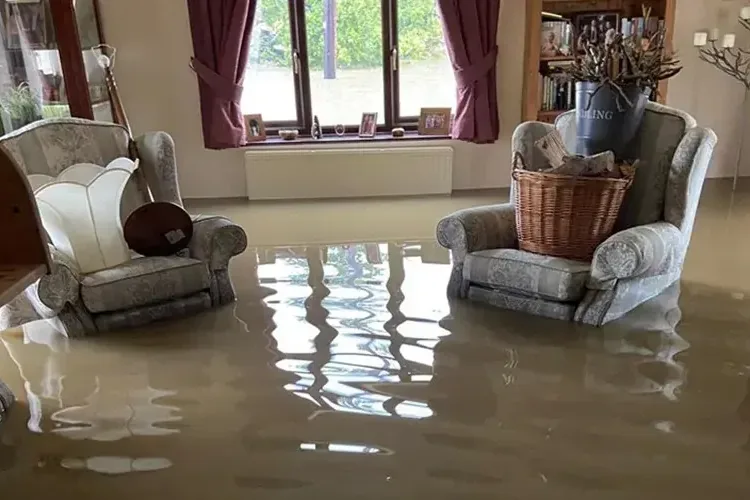
Rain and exterior flood entry are assessed for hazards, contamination and hidden spread before removal, cleaning and drying begin inside the property. Unaffected rooms stay separated while the work boundary is maintained.
(888) 621-2041Request seasonal rain Flood help- Controlled work boundary
- Storm water removal
- Cleaned drying zones
Water sourceRain or exterior flood entry
Safety concernUnknown contaminants and unstable finishes
Local settingBraden River and Kingfisher Lake
Work sequenceContain, remove, clean and dry
Storm water entering a building needs a different assessment from a clean indoor release. The Braden River crosses the southern part of Lakewood Ranch, and Kingfisher Lake borders homes in Waterside. After water enters a home, inspection follows the entry point into wet floors, walls and connected rooms. Technicians identify the entry route, the rooms touched, the materials involved and any visible debris before establishing a controlled work boundary.
How storm flood cleanup is handled in Lakewood Ranch
- 1
Establish a controlled zone
The crew marks contaminated work areas and protects a separate route for clean access.
- 2
Remove water and debris
Extraction precedes careful handling of porous finishes, soil and storm carried material.
- 3
Clean exposed hard surfaces
The selected process follows the water category, surface type and conditions documented onsite.
- 4
Dry and verify assemblies
Framing, wall bases and floor layers are monitored until comparison readings support completion. Each zone is documented before drying equipment is assigned.
What does storm flood cleanup cost in Lakewood Ranch, FL?
Storm cleanup usually ranges from $2,500 to $14,000 or more. Debris, contamination and saturated porous materials affect removal needs, while hidden entry paths and cleaning access determine how broadly work must extend.
Contained storm entry
$2,500 to $6,300
- Entry route photographs
- Controlled water extraction
- Hard surface assessment
Several wet assemblies
$6,300 to $10,100
- Porous finish removal
- Protected debris route
- Framing moisture checks
Complex exterior flooding
$10,100 to $14,000+
- Large containment boundary
- Multiple cleaning zones
- Extended structural monitoring
For a closer planning number, try the water damage cost calculator. A firm figure comes after the walkthrough and moisture map.
The first survey treats outside water cautiously
Occupants should stay out of flooded rooms, particularly where outlets, appliances or loose ceiling material are present. The team photographs the water mark and possible openings from a safe area. Exterior water may contain soil and other contaminants, so porous belongings are not carried through clean portions of the property without a plan. The survey also checks rooms that look unaffected because water can pass beneath continuous floors or enter wall bottoms at several points.
- Do not enter water near energized building components.
- Keep children and pets outside the marked work area.
- Photograph exterior openings and interior water marks when safe.
- Avoid moving saturated porous contents through dry rooms.
- Report roof, door and wall areas where rain appeared.
Containment organizes a complex cleanup
The crew separates dirty work from clean access, removes standing water and evaluates porous finishes. Carpet padding, wallboard, insulation and composite materials are considered according to water category and physical condition. Hard surfaces that can be cleaned remain only after the chosen process is suitable for the material. Removal is controlled so that framing and floor layers can be inspected without spreading debris through the property.
Drying begins after extraction and necessary cleaning. Air movement is limited to the approved work zone, while dehumidification removes vapor from exposed assemblies. Meter readings in framing, floor layers and wall bases are compared with unaffected material. A change in the reading pattern may justify moving equipment or opening another concealed edge. The storm water risk check can help organize property observations before a future weather event.
Rainfall alone does not define the category
The route into the building, materials crossed and visible contamination all matter. The site assessment records those conditions before cleanup choices are made.
A complete file follows the event through drying
Documentation should show the openings observed, initial water boundary, contents decisions, removed materials, cleaning actions and final readings. For a home near Summerfield or a commercial space near a town center, that record gives repair planning a measured starting point after the storm has passed.
Coverage
Storm Flood Cleanup across Lakewood Ranch, FL
The restoration team serves Lakewood Ranch homes, villas, condominiums and business properties. Reports of wet ceilings, appliance leaks, standing water or sewage help the crew prepare the first inspection and choose equipment for the affected rooms.
See every area servedQuestions
Storm Flood Cleanup questions in Lakewood Ranch
Why is storm water handled differently?
Water that traveled outdoors may carry soil and other contaminants into the building. Its route and the materials crossed can change removal and cleaning decisions. The assessment documents those conditions before air movement or broad content handling begins.
Should occupants enter to save belongings?
No one should enter water near electrical equipment, damaged ceilings or uncertain flooring. Belongings can be addressed after hazards and the work boundary are established. Photographs from a safe dry position may preserve useful evidence without unnecessary exposure.
Can wallboard remain after exterior flooding?
The decision depends on contamination, saturation and physical condition. Porous wallboard touched by contaminated water often requires controlled removal. Stable material above the affected edge is evaluated separately, and exposed framing is measured during drying.
How is hidden spread located?
Technicians inspect floor transitions, wall bottoms, cabinets and rooms beside the visible water. Meter readings confirm damp materials beyond the stain. Continuous flooring and enclosed cavities receive extra attention because they can carry water away from an entry point.
When does structural drying begin?
Bulk water, debris and material requiring removal are handled first. Cleaning appropriate to the water category follows. Drying equipment is then arranged inside the controlled area, and repeated readings show whether exposed assemblies are moving toward the established goal.
What records help with an insurance discussion?
Photographs of entry points and water marks, the initial moisture map, category notes, contents decisions, removal records, cleaning details and final readings provide a factual sequence. Coverage itself depends on the policy and cause of entry. Site conditions decide the cleaning method and whether a porous component can remain after the storm event.
24/7 emergency dispatch
Storm Flood Cleanup for Lakewood Ranch, available 24/7
Storm recovery proceeds through a defined work boundary, removal decisions and suitable cleaning. Ending moisture readings then identify which retained materials are ready for the next repair stage.
(888) 621-2041Start seasonal rain Flood care
Lakewood Ranch, FL · Find us on Google