Pipe release cleanup
Burst Pipe Cleanup in Lakewood Ranch, FL
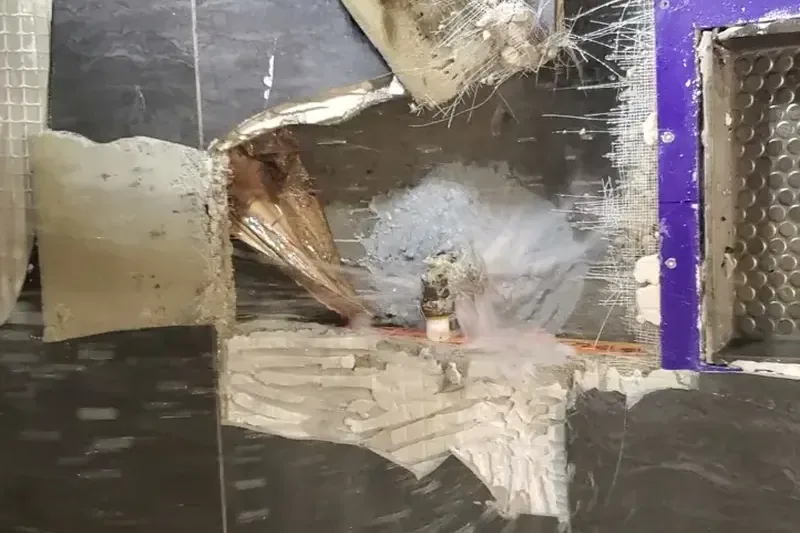
After a sudden pipe failure, technicians separate source control from moisture mapping and follow water through each affected room and assembly. Photographs preserve conditions before extraction changes them.
(888) 621-2041Request Burst Pipe help- Flow control first
- Cavity moisture checks
- Room by room records
Active problemPressurized indoor pipe release
Initial actionStop flow from a dry control
Hidden routeWalls, floors and connected rooms
Proof of dryingTracked readings by material
A broken supply pipe can wet several finishes before the water reaches an open floor. In a villa near Summerfield, it may travel through a shared wall or beneath continuous flooring. A larger home closer to Waterside can have a different set of cavities and room connections. The first response therefore separates flow control from damage mapping. Stopping the release limits new water, while a room by room survey determines where the earlier flow already went.
How burst pipe cleanup is handled in Lakewood Ranch
- 1
Trace the pipe path
The survey starts at the failure and checks both visible finishes and concealed adjoining cavities.
- 2
Remove collected water
Extraction equipment clears open floors before detailed work begins along edges and built in materials.
- 3
Open only where needed
Meter evidence guides access to wet insulation, wallboard, flooring layers or cabinet components.
- 4
Track drying to completion
Successive readings document improvement and support the decision to release each drying zone. Every action is tied to source evidence and material readings.
What does burst pipe cleanup cost in Lakewood Ranch, FL?
Burst pipe cleanup generally ranges from $1,000 to $8,000 or more. The estimate follows the release into affected rooms, accounting for damaged finishes, cavity access and material removal needed for drying.
Single room release
$1,000 to $3,300
- Pipe area photographs
- Open water extraction
- Wall base readings
Connected room damage
$3,300 to $5,600
- Cavity moisture survey
- Selective material access
- Daily drying measurements
Extensive pipe flooding
$5,600 to $8,000+
- Multiple controlled zones
- Insulation evaluation
- Detailed claim documentation
For a closer planning number, try the water damage cost calculator. A firm figure comes after the walkthrough and moisture map.
Source control comes before demolition
The safe shutoff is used only when it can be reached without crossing water or touching wet electrical equipment. Once flow stops, technicians examine the failed area and follow moisture outward with meters. Stains and puddles provide clues, but they do not define the complete boundary. Water can enter insulation, run along framing or collect under a finished floor. Photos taken at this stage preserve the original condition and show why particular openings or removal decisions became necessary.
- Keep occupants outside rooms with wet wiring or sagging finishes.
- Use a dry accessible shutoff to stop continued pipe flow.
- Leave collapsed material in place until hazards are assessed.
- Record the pipe area and each room reached by water.
- Move unaffected contents to a dry protected space.
Removal is matched to the assembly
Open flooring can be extracted directly, but wall cavities and built in finishes need separate attention. The crew checks both sides of partitions, floor transitions and cabinet bases. Materials that remain sound after a clean release may be dried in place when readings show progress. Swollen composite products, detached finishes or contaminated porous materials are handled differently. This selective approach avoids covering damp components and avoids removing stable material without evidence.
Air movers and dehumidifiers are placed after bulk water is removed. Their arrangement is based on the shape of the wet area, not a standard room count. Readings taken during the dry out show which surfaces are releasing moisture and which enclosed areas need more access. The water extraction service explains the removal phase when pooling is the primary concern.
A closed wall needs its own evidence
Insulation and framing can retain water behind paint that feels dry. Cavity readings support access and confirm later progress.
Final documentation prepares the repair scope
The closing record identifies the failed pipe area, water category, rooms inspected, materials retained and materials removed. It also includes the readings used to end drying. Owners can use that sequence when discussing coverage and the repair plan for properties near State Road 64 or elsewhere in Lakewood Ranch.
Coverage
Burst Pipe Cleanup across Lakewood Ranch, FL
The restoration team serves Lakewood Ranch homes, villas, condominiums and business properties. Reports of wet ceilings, appliance leaks, standing water or sewage help the crew prepare the first inspection and choose equipment for the affected rooms.
See every area servedQuestions
Burst Pipe Cleanup questions in Lakewood Ranch
What is the first priority after a pipe breaks?
People should move away from water near electricity or unstable finishes. An accessible shutoff may be used from a dry position. After flow stops, photographs and a moisture survey can document the affected rooms before removal begins.
Does a small pipe opening create a small loss?
Not always. Pressurized water can move through a wall, beneath connected flooring or into rooms below before anyone sees it. The size of the opening matters less than duration, material paths and the amount of concealed spread.
How are wall cavities checked?
Technicians compare surface patterns with meter readings at wall bottoms, adjoining sides and likely framing paths. Small controlled access may be needed when insulation or an enclosed section remains wet despite a dry looking painted surface.
Can wet drywall stay in place?
Wallboard may remain when the water is clean, the material is stable and readings steadily improve. Sections that crumble, detach, remain saturated or contact contaminated water generally require controlled removal so the framing can be evaluated.
What should the claim file contain?
Useful records include the failure location, photographs before cleanup, the first moisture map, water category, extraction notes, material decisions and readings through completion. An itemized scope should connect each action with the condition that required it.
What changes the cleanup cost?
Price depends on how far water traveled, which assemblies became wet, access to the pipe area and whether contamination is present. Multiple floors, cabinets, insulation and concealed cavities create a broader scope than one accessible room. The inspection also considers room connections that could carry water beyond the first visible stain or puddle.
24/7 emergency dispatch
Burst Pipe Cleanup for Lakewood Ranch, available 24/7
Once pipe flow stops, the moisture survey defines the remaining work. Room records connect selective openings and drying results with the repairs required after a sudden release.
(888) 621-2041Start Burst Pipe care
Lakewood Ranch, FL · Find us on Google