Ceiling water response
Ceiling Leak Water Damage in Ellenton, FL
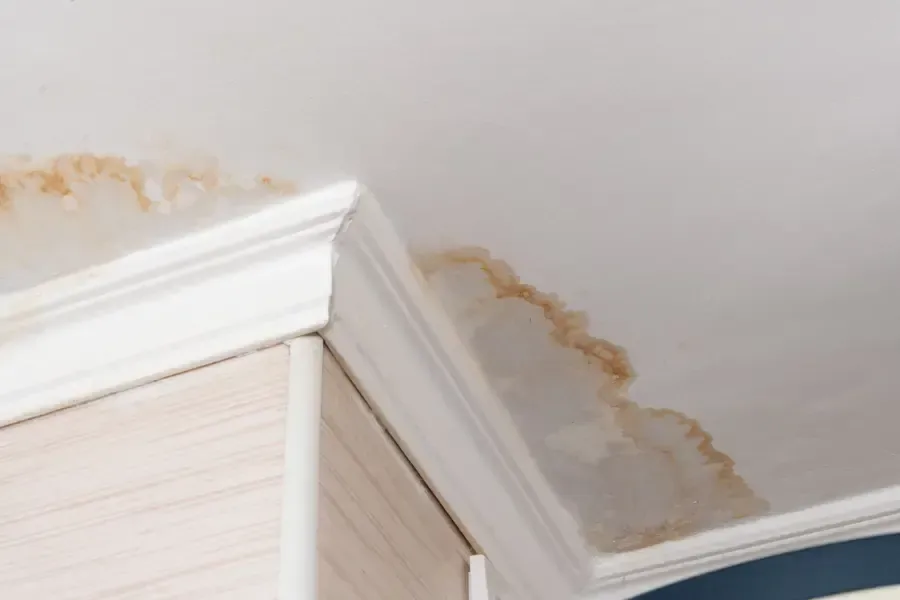
Stains, dripping and softened board require a protected room, comparison of possible sources and separate readings for every overhead material layer. The area above the stain must be examined before finish decisions are made.
(888) 621-2041Request Ceiling seepage help- Overhead safety checks
- Source route comparison
- Ceiling drying records
Indoor symptomStain, drip or softened board
Possible causePipe, roof or condensate source
Hidden materialsInsulation, framing and wall cavities
CompletionSafe overhead assembly with dry values
A ceiling can collect water from several unrelated systems before the first stain appears. Plumbing above the room, wind driven rain and air conditioning condensate all require different source work. In Ellenton homes between the Manatee River, U.S. Route 301 and the edge near Palmetto, technicians begin with the indoor condition rather than assuming a cause. The room is protected, the visible perimeter is measured and accessible areas above are examined.
How ceiling leak water damage is handled in Ellenton
- 1
Establish safe overhead access
Technicians inspect stability, electrical concerns and room protection before ceiling material is opened.
- 2
Compare possible source routes
Measurements and accessible observations separate plumbing, roof and condensate paths above the room.
- 3
Expose only supported areas
Board and insulation are opened where condition, contamination or stalled readings require direct access.
- 4
Track each material separately
Ceiling, framing and wall values are recorded until retained components meet their drying objectives. Ending values cover the exposed ceiling layer and any damp framing or insulation found above it.
What does ceiling leak water damage cost in Ellenton, FL?
Ceiling leak restoration commonly ranges from $800 to $5,200 or more. Source access, board stability, wet insulation and neighboring spread affect cost. Safe access above the finish and insulation handling can change the final amount.
Small ceiling section
$800 to $2,250
- Room safety boundary
- Stain perimeter readings
- Focused drying access
Board and insulation
$2,250 to $3,700
- Controlled overhead opening
- Insulation condition check
- Framing moisture points
Several overhead areas
$3,700 to $5,200+
- Expanded room protection
- Multiple ceiling sections
- Detailed closeout values
For a closer planning number, try the water damage cost calculator. A firm figure comes after the walkthrough and moisture map.
Weak overhead material changes the immediate plan
People and furniture move outside the area below sagging board or dripping fixtures. A wet switch is not operated, and a bulge is not punctured without a controlled setup. Photos taken from safety preserve the pattern. The crew checks adjoining ceiling areas and wall tops because water may spread sideways before dropping. Source observations are shared with the plumbing, roofing or cooling trade responsible for correction.
- Close the room beneath loose or saturated ceiling material.
- Avoid switches and fixtures touched by water.
- Photograph stains without standing directly below them.
- Report recent rain, plumbing use and cooling operation.
- Leave overhead openings to a prepared work area.
Board and insulation receive separate decisions
Ceiling board may look worse than the framing above, or wet insulation may hold water against otherwise stable components. Meter readings identify the extent of each material. Clean water affected board can sometimes dry when it remains sound and access supports progress. Material that sags, crumbles, contains contamination or prevents inspection is opened selectively. The wet map is updated as hidden surfaces become visible.
Dehumidification lowers vapor in the room while airflow is directed toward exposed faces. Equipment runtime alone does not determine success. Consistent points across board, framing and nearby walls show whether the assembly is releasing moisture. The roof leak service covers weather entry when attic and roof evidence identify rain as the source.
Source work and ceiling recovery are separate scopes
Stopping a pipe, roof or condensate release prevents new water. Existing building materials still need measured evaluation and drying.
The final record explains every overhead decision
Documentation includes the stain pattern, source findings, safety boundary, controlled openings, retained materials and ending values. That record prepares the affected room for repair while showing why one ceiling section stayed and another required removal.
Ceiling moisture near the Manatee River side of Ellenton does not reveal its cause by appearance alone. A roof opening, supply pipe, drain or air conditioning component can produce a similar stain. The survey compares the space above, the ceiling face and nearby wall tops, preserving a clear source trail before controlled access begins.
Coverage
Ceiling Leak Water Damage across Ellenton, FL
The team responds across Ellenton, including properties near U.S. Route 301, the Manatee River and the Interstate 75 boundary. The adjoining communities of Palmetto and Memphis also have service information below.
See every area servedQuestions
Ceiling Leak Water Damage questions in Ellenton
Should a homeowner drain a ceiling bulge?
No. The board may be weak, stored water can fall suddenly and nearby fixtures may be energized. The room should be cleared. A controlled work setup protects people and manages water and debris safely.
How is the source of a ceiling leak identified?
Technicians compare stain location and moisture readings with accessible conditions above. Recent rain, plumbing use and cooling cycles provide context. The responsible trade then confirms and corrects the roof, pipe or equipment cause.
Does every stained ceiling require removal?
No. Stable board affected by suitable water may dry when access and measurements show progress. Material that sags, crumbles, holds contamination or blocks evaluation may require selective removal based on its actual condition.
What happens to insulation above the ceiling?
Insulation is assessed apart from the board. Compressed, contaminated or persistently wet material can hold moisture against framing and may need removal. Retained insulation requires access and measurements that demonstrate improvement.
Why are nearby walls and rooms checked?
Water can move along framing, pipe penetrations or insulation before it reaches the visible stain. Testing adjoining ceiling sections and wall tops confirms whether the indoor mark is the full boundary or one exit point.
What should be included in the completion record?
The file should show the original symptom, probable source, hazard controls, wet boundary, openings, material decisions and final values. It also distinguishes source correction from drying and later finish repairs. A dry-looking ring can remain after water has moved into insulation or the back of gypsum board. Technicians check the center and outer edge, then examine the cavity above when access is safe. That sequence helps distinguish an old mark from an active material condition.
24/7 emergency dispatch
Ceiling Leak Water Damage for Ellenton, available 24/7
Safe access, source findings and ending values show when the overhead assembly is ready for finish repair. Source evidence and overhead safety shape every opening decision.
(888) 621-2041Start Ceiling seepage care
Ellenton, FL · Find us on Google