Sudden pipe response
Burst Pipe Cleanup in Ellenton, FL
After a pressurized supply failure, source control and room by room moisture mapping establish the cleanup boundary before openings or repairs begin. Rooms connected through a shared wall or floor assembly are included in the first survey.
(888) 621-2041Request Burst Pipe help- Safe flow control
- Connected room checks
- Pipe loss records
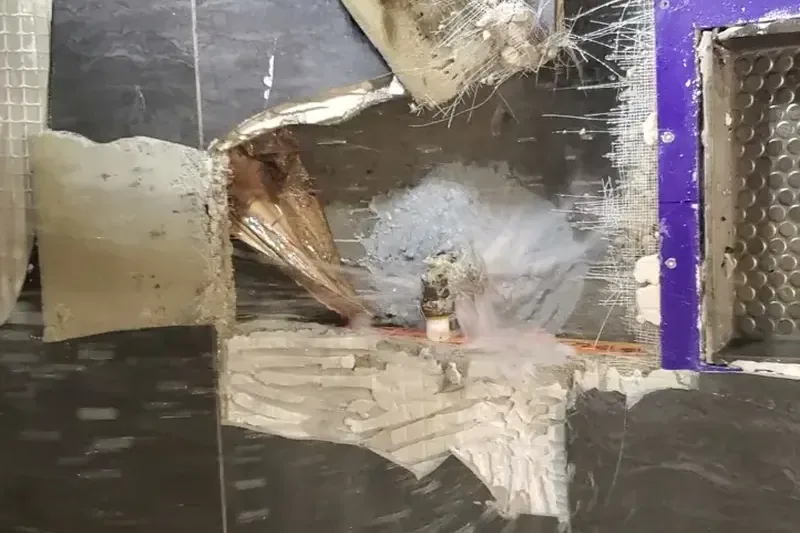
Release typeSudden pressurized pipe failure
Control orderShutoff, safety and water mapping
Likely spreadCabinets, partitions and flooring
Closeout proofRoom based drying records
A broken supply pipe can fill one room while sending a quieter path through a wall or beneath connected flooring. Homes between U.S. Route 301, Interstate 75 and the Palmetto side of Ellenton contain different room arrangements, so the first puddle does not define the cleanup boundary. Technicians separate plumbing control from restoration work, then follow material readings outward from the failure before removal begins.
How burst pipe cleanup is handled in Ellenton
- 1
Separate pipe work from mitigation
Plumbing correction addresses the failure while restoration mapping defines affected building materials.
- 2
Clear accessible water
Extraction progresses from open flooring toward wall edges, cabinet spaces and connected thresholds.
- 3
Open only from evidence
Meter results support access to wet insulation, partitions or floor layers that cannot dry suitably enclosed.
- 4
Document every room result
Consistent monitoring points show when each retained component has reached its established drying goal. The record also marks where the pipe repair ends and building material recovery begins.
What does burst pipe cleanup cost in Ellenton, FL?
Burst pipe cleanup often ranges from $1,000 to $8,000 or more. Water volume, wet rooms, cavity access and damaged finishes determine the restoration scope. Plumbing repair itself is priced separately from extraction and drying.
Contained pipe release
$1,000 to $3,300
- Failure area photos
- Open floor extraction
- Partition edge readings
Several connected rooms
$3,300 to $5,600
- Cabinet moisture checks
- Selective wall openings
- Daily material values
Complex concealed damage
$5,600 to $8,000+
- Multiple drying sections
- Wet insulation decisions
- Detailed claim records
For a closer planning number, try the water damage cost calculator. A firm figure comes after the walkthrough and moisture map.
A dry shutoff is useful only when it is safe
Occupants should not cross water to reach a valve or touch a wet appliance. If a known control is accessible from dry flooring, stopping the supply limits additional spread. The affected rooms remain clear until electrical and overhead conditions are checked. Photographs show the pipe area, water marks and contents before extraction changes the scene. A plumbing professional addresses the failed pipe while the restoration crew evaluates the building.
- Move people beyond active spray and wet electrical hazards.
- Use a known shutoff only from a dry stable position.
- Do not pull down sagging wall or ceiling material.
- Record the break area and every connected wet room.
- Relocate dry contents without carrying them through water.
Pipe water can use concealed construction routes
Once open water is removed, technicians check wall bottoms, both sides of partitions, cabinet bases and floor transitions. Clean water does not ensure that every component can remain. Condition, access and progress matter. Stable materials may dry in place, while swollen composites, detached finishes or insulation holding moisture may need selective opening. The reason for each decision is recorded before repair work begins.
Airflow serves exposed surfaces, and dehumidifiers control vapor released indoors. Enclosed sections receive their own monitoring points because a painted face may improve before the cavity behind it. The water extraction page explains the removal phase when pooling dominates the initial response. Later values determine when each room is ready to leave drying.
The repair opening and wet boundary may differ
Plumbing access reaches the failed pipe. Restoration access follows damp materials, which can extend elsewhere along framing or flooring.
Documentation keeps the two scopes connected
The file lists source findings, shutoff actions, first moisture map, extraction, material access and ending values. It also notes the rooms checked toward Memphis and the Manatee River side without assuming identical construction. Owners can use that record when coordinating plumbing, insurance and finish repairs.
Coverage
Burst Pipe Cleanup across Ellenton, FL
The team responds across Ellenton, including properties near U.S. Route 301, the Manatee River and the Interstate 75 boundary. The adjoining communities of Palmetto and Memphis also have service information below.
See every area servedQuestions
Burst Pipe Cleanup questions in Ellenton
What should happen first after a supply pipe breaks?
Occupants should leave wet electrical and unstable areas, then stop the supply only through a safe dry route. Photographs can preserve the initial conditions. Plumbing repair and moisture mapping follow as separate but coordinated tasks.
Can water travel farther than the visible puddle?
Yes. Pressurized flow can enter partitions, move beneath flooring or collect inside cabinets before it appears. A room by room survey checks connected construction so the extraction and drying boundary is based on measurements.
Does every wet wall need to be opened?
No. Stable wallboard exposed to clean water may dry in place when cavity access is suitable and readings improve. Material that crumbles, holds wet insulation, contains contamination or blocks progress may require controlled access.
How is a wall cavity monitored?
Technicians mark test locations near the release and along likely framing paths. Readings from both wall faces and accessible openings are compared over time. The wall cavity receives separate readings to check insulation and framing behind the paint.
What belongs in a burst pipe claim record?
Useful evidence includes source photographs, shutoff timing, the first wet boundary, extraction notes, material decisions and repeated readings. The itemized scope should connect each action to an observed or measured condition.
What makes a pipe cleanup more expensive?
The amount released, number of rooms, wet insulation, cabinetry, floor layers and access requirements shape the work. A reachable break over hard flooring differs from concealed spread through several finished assemblies. Around Ellenton's U.S. Route 301 corridor and Interstate 75 boundary, each property still presents a different pipe route. The crew follows actual wet materials, photographs access points and records why a neighboring room was included or excluded from the work area.
24/7 emergency dispatch
Burst Pipe Cleanup for Ellenton, available 24/7
Source evidence, selective access and room specific drying values support coordinated plumbing, insurance and finish repair decisions. A mapped perimeter keeps the response tied to the release.
(888) 621-2041Start Burst Pipe care
Ellenton, FL · Find us on Google