Tank release recovery
Water Heater Leak Cleanup in Ellenton, FL
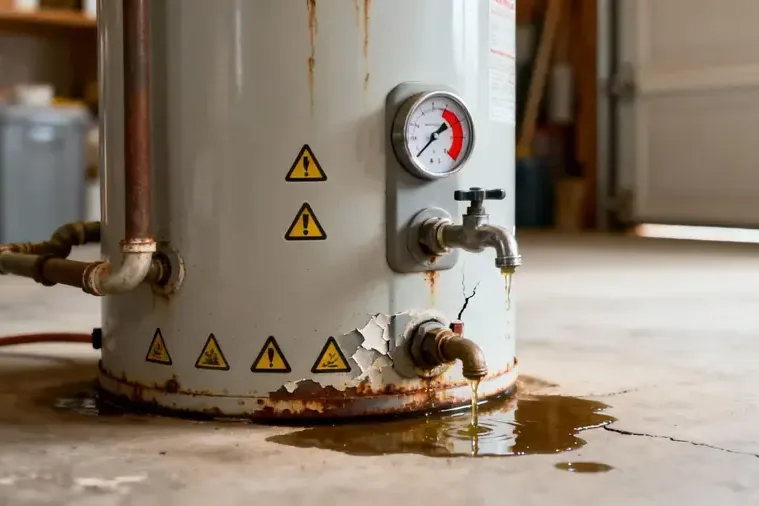
Water beside a failed heater requires separate decisions for appliance safety, supply control, perimeter extraction and surrounding building materials. Nearby walls, flooring and stored contents are checked after safe supply control.
(888) 621-2041Request tank overflow Heater seepage help- Tank area safety
- Perimeter water removal
- Utility room monitoring
Failure pointTank, fitting or supply connection
Dual concernWater control and appliance safety
Survey edgeUtility walls, flooring and thresholds
Return conditionDry installation area with records
Pooling beside a water heater can disappear beneath stored contents and finished flooring before anyone notices the source. Utility spaces in Ellenton properties near Memphis, U.S. Route 301 and the Manatee River differ in size and access. The response therefore starts by separating water shutoff, gas or electrical safety, appliance repair and structural drying. Each responsibility is documented so one completed task is not mistaken for the entire recovery.
How water heater leak cleanup is handled in Ellenton
- 1
Identify the failed connection
The opening assessment distinguishes tank, fitting and supply problems while recording appliance hazards.
- 2
Measure beyond the pool
Readings cover floor seams, wall bases, stored content areas and connected thresholds.
- 3
Extract around access limits
Suitable detail tools remove water at the tank perimeter without assuming concealed layers are clear.
- 4
Prepare a stable installation area
Ending measurements show whether retained finishes are dry before appliance work and repairs continue.
What does water heater leak cleanup cost in Ellenton, FL?
Water heater cleanup generally ranges from $850 to $5,500 or more. Tank access, floor layers, contents and adjoining room spread determine the scope. Tank replacement and plumbing corrections remain separate from the water damage work.
Accessible heater area
$850 to $2,400
- Connection condition photos
- Open water removal
- Perimeter material readings
Utility room migration
$2,400 to $3,900
- Threshold moisture mapping
- Wall base assessment
- Appliance access planning
Connected finish damage
$3,900 to $5,500+
- Several drying areas
- Concealed floor checks
- Extended material records
For a closer planning number, try the water damage cost calculator. A firm figure comes after the walkthrough and moisture map.
Water and energy controls require different judgment
A known supply valve may be used only from a dry stable position. Occupants should not touch a wet electrical disconnect, uncertain gas control or damaged appliance. Photographs record the tank, connections, floor and nearby belongings before movement. Technicians then check wall bottoms, seams, thresholds and rooms sharing a continuous finish. Those measurements establish whether the release remained in the utility area.
- Stay clear of a wet heater and exposed electrical equipment.
- Use only a safely accessible water shutoff.
- Do not restart or relight an exposed appliance.
- Photograph pooling, fittings and stored contents first.
- Report dampness beyond the utility room doorway.
Restricted spaces need deliberate extraction
Open water is removed before detail tools address the tank perimeter and narrow wall edges. Fixed equipment can prevent direct access, so readings support any controlled opening or movement. Stable flooring and trim affected by clean water may remain when progress is documented. Swollen composite material, detached finishes or contamination call for another decision. An appliance professional handles replacement or repair after the installation area is safe.
Air movement and dehumidification are arranged around service clearance and wet materials. Monitoring points follow the floor and wall perimeter rather than the appliance alone. If a threshold stays elevated, the crew changes access or placement before closing. The appliance leak page describes a different source pattern for washers, dishwashers and refrigerators.
Finish drying the room after heater replacement
Surrounding floors and walls retain their own moisture history and need separate completion values.
Reinstallation follows measured building conditions
The final file identifies the failed component, shutoff steps, initial boundary, extraction method, material decisions and dry readings. It gives the appliance contractor and property owner a clear description of the installation area before new equipment or finish repairs proceed.
A tank release may move beneath stored items or cross a garage threshold before anyone sees the full perimeter. Ellenton properties toward Palmetto, Memphis and U.S. Route 301 have varied equipment locations, so technicians mark actual floor slopes and wall contacts. The inspection also separates plumbing replacement from recovery of the surrounding construction.
Coverage
Water Heater Leak Cleanup across Ellenton, FL
The team responds across Ellenton, including properties near U.S. Route 301, the Manatee River and the Interstate 75 boundary. The adjoining communities of Palmetto and Memphis also have service information below.
See every area servedQuestions
Water Heater Leak Cleanup questions in Ellenton
Should the water heater be switched off after a leak?
Water supply may be stopped from a safe dry control, but occupants should not touch wet electrical parts or uncertain gas controls. Appliance shutdown and restart belong to personnel qualified for the equipment and conditions.
Why test flooring outside the utility area?
Water can move through a doorway, along wall plates or beneath continuous flooring before pooling is discovered. Threshold and adjoining room readings reveal whether the loss extended beyond the visible appliance space.
Can the heater be replaced immediately?
Replacement depends on safe access and source correction. The crew also checks moisture in the materials surrounding the new equipment. Flooring, lower walls and concealed edges need their own documented condition before restoration closes.
How are stored belongings handled?
Items are photographed in their original positions when safe. Dry contents can move to a protected location, while wet belongings are evaluated by material, water category and physical condition before cleaning or disposal decisions.
What happens when the tank blocks floor access?
Technicians use readings at seams, wall edges and nearby transitions to infer the wet footprint, then coordinate appliance movement or controlled access when a concealed layer fails to improve as expected.
What affects water heater cleanup cost?
The amount released, tank access, floor construction, stored contents, lower wall moisture and spread into finished rooms shape the scope. A small accessible pool differs from water beneath several connected assemblies. Photos should show the tank base, visible connection failure, water edge and any affected contents before the area changes. Technicians then test the wall base and adjoining floor at consistent points. Those records connect the release with later extraction, access and drying decisions.
24/7 emergency dispatch
Water Heater Leak Cleanup for Ellenton, available 24/7
Appliance correction and building drying remain separate documented tasks before reinstallation and finish repair proceed. Clear source records support the utility area recovery that follows.