Standing water response
Emergency Water Extraction in Memphis, FL
A pipe release, appliance discharge or roof opening can send water beneath flooring and into wall bases. Extraction starts with source control, safety checks and a mapped wet boundary. Conditions are verified onsite.
(888) 621-2041Request Memphis extraction help- Pooled water removal
- Material moisture mapping
- Documented drying checks
First objectiveReduce the liquid load
Boundary checkFloors walls and cabinets
Water decisionClassify before disturbing materials
Completion basisRepeated material readings
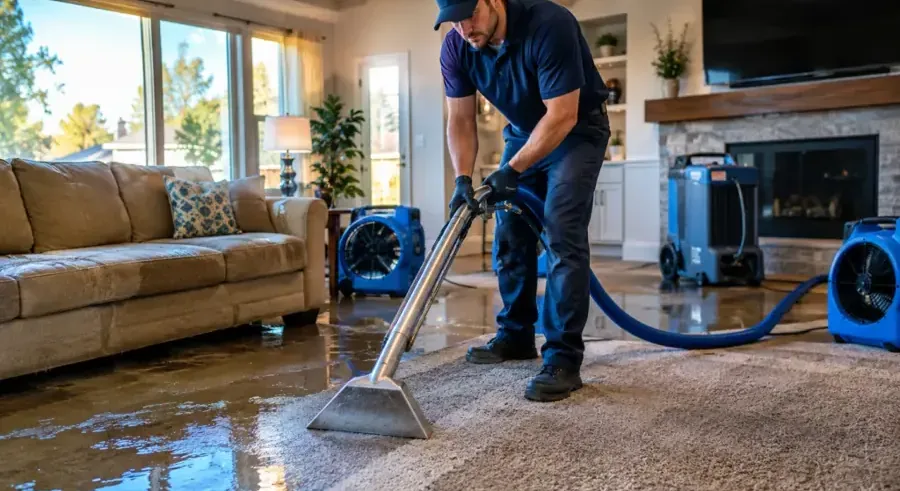
Standing water rarely marks the full edge of a loss. It can slip below floating floors, collect under cabinets or wick into wall board. In Memphis, the extraction survey begins at the reported source and follows connected materials, whether the property sits near U.S. Route 41, Palmetto or Terra Ceia Bay. Extraction tools are selected for the surface rather than applied uniformly. A hard floor edge may need a squeegee wand, while suitable carpet calls for weighted passes in overlapping directions. Technicians also examine door thresholds, cabinet openings and penetrations where liquid can leave the visible area. Contents that block the mapped boundary are documented before movement. When the first pass is complete, the floor is checked again instead of assumed empty. That second look can identify low spots or material seams holding recoverable water. Room conditions are then recorded before evaporation equipment begins carrying the remaining moisture load. This sequence gives the later readings a clear starting point and prevents drying equipment from being used as a substitute for thorough liquid removal.
How emergency water extraction is handled in Memphis
- 1
Classify the release
Source and travel path establish protective measures before materials are disturbed. The result is recorded for comparison.
- 2
Outline absorbed spread
Meters trace moisture through flooring wall bases cabinets and nearby rooms. The result is recorded for comparison.
- 3
Extract accessible water
Suitable pumps and vacuum tools reduce water held on and within surfaces. The result is recorded for comparison.
- 4
Build the drying record
Repeated readings direct equipment changes and confirm the documented finish point. The result is recorded for comparison.
What does emergency water extraction cost in Memphis, FL?
Emergency water extraction often ranges from $900 to $6,500 or more. An accessible clean-water area may stay low, while contamination, hidden floor spread, several rooms and prolonged monitoring increase the scope.
Small open area
$900 to $2,750
- Visible water removal
- Floor edge checks
- Initial moisture map
Several wet rooms
$2,750 to $4,600
- Detailed edge extraction
- Multiple equipment zones
- Repeated room readings
Large complex loss
$4,600 to $6,500+
- Expanded containment
- Concealed material access
- Extended drying records
For a closer planning number, try the water damage cost calculator. A firm figure comes after the walkthrough and moisture map.
Remove water before evaporation becomes the main task
Occupants should avoid wet electrical components and unstable overhead finishes. If a plumbing shutoff is dry and familiar, it may be used without crossing the affected area. Photographs of the source, rooms and contents preserve the initial condition. Technicians then classify the water, mark the perimeter and select tools for open floors, edges and tight spaces. Pumps handle deeper accumulation, while weighted or detail extraction can pull moisture from suitable carpet and flooring assemblies.
- Keep children and pets outside the mapped area.
- Move dry belongings only from a safe route.
- Do not lift wet flooring without a material assessment.
- Report sewage, outdoor entry or unusual water color.
- Describe every room that now feels damp.
The remaining moisture needs a separate plan
Once recoverable water is removed, meters show what remains inside finish layers and cavities. The crew compares affected readings with dry material in the same building. Air movers are aimed across exposed wet surfaces, and dehumidifiers control the vapor released into the room. A cabinet toe kick, wall base or floor seam that stays elevated may require different access rather than simply more equipment.
U.S. Route 19 meets U.S. Route 41 within the community, but road location does not predict the construction inside a property. Each room receives its own material check. The drying time estimator can frame the variables, while onsite measurements determine when equipment is no longer useful.
Extraction and drying are different phases
Vacuum tools lower the amount of liquid water. Airflow, dehumidification and verification address moisture that materials still hold.
Records connect the first visit to final readings
The file should identify the source, category, first wet boundary, extraction performed and material decisions. Photographs and values from consistent points establish whether retained assemblies improved and which areas remain for repair planning.
Coverage
Emergency Water Extraction across Memphis, FL
Water damage service covers Memphis around U.S. Route 41, the U.S. Route 19 junction and Terra Ceia Bay. Source details and access hazards help dispatch prepare for properties near the Palmetto boundary.
See every area servedQuestions
Emergency Water Extraction questions in Memphis
Should standing water be vacuumed with household equipment?
Household vacuums are not intended for standing water and can create an electrical hazard. Keep away from energized devices. Professional extraction begins after the source, water category and safe work boundary are established. That distinction keeps electrical safety separate from the extraction decision.
How far beyond the puddle will technicians check?
The survey continues through connected flooring, wall bases, cabinets and rooms until readings return to an appropriate dry comparison. The visible edge alone cannot show water that moved beneath a finish. The final boundary is based on readings rather than the shape of the original pool.
Can carpet be extracted and kept?
Retention depends on the water category, backing condition, pad, installation and response circumstances. Suitable carpet may receive weighted extraction, while contaminated or deteriorated porous materials can require controlled disposal. Condition and category are documented before any retention choice is made.
Why are dehumidifiers used after extraction?
Vacuum tools remove liquid water, but damp materials continue releasing vapor. Dehumidification controls that indoor moisture while airflow encourages evaporation from exposed surfaces. Readings show whether the arrangement is effective. Room humidity and material values show whether vapor control remains necessary.
What information helps before the crew arrives?
Report the likely source, affected rooms, water appearance, electrical concerns and whether flow continues. Photographs from a safe position help preserve conditions before movable dry contents are relocated. Those details also help the crew choose tools before entering the property.
What closes an extraction project?
Extraction ends when accessible liquid water has been removed, but mitigation continues until retained materials reach documented drying goals. The final record should distinguish extraction work, drying checks and remaining repair needs. The closing notes identify any finish that still awaits repair or replacement.
24/7 emergency dispatch
Emergency Water Extraction for Memphis, available 24/7
Prompt removal lowers the water load. Careful mapping and repeat measurements address the moisture that remains beneath surfaces and inside connected assemblies. Final readings support the next repair step.
(888) 621-2041Begin Memphis water removal
Memphis, FL · Find us on Google