Measured material drying
Structural Drying in Memphis, FL
After extraction, walls, floors and framing can continue releasing moisture. A documented drying plan balances air movement, dehumidification and access around each assembly. Conditions are verified onsite.
(888) 621-2041Plan the monitored dry out- Baseline moisture readings
- Equipment zone design
- Daily progress comparisons
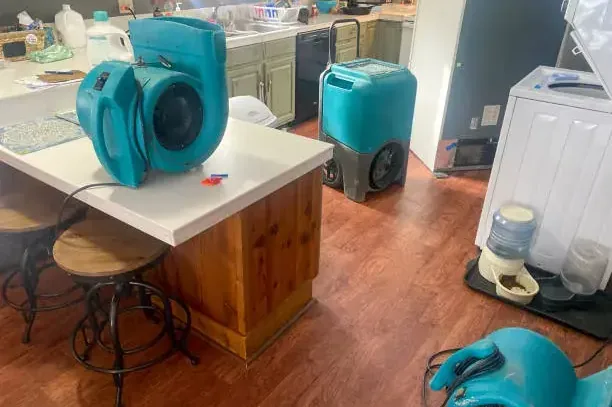
Starting pointMapped wet and dry references
Air roleRelease moisture from surfaces
Dehumidifier roleCollect water vapor
Finish testRepeatable material improvement
Drying begins with measurements, not equipment alone. In Memphis properties around U.S. Route 41, Palmetto and Terra Ceia Bay, the crew separates each wet wall, floor, cabinet or framing section into zones that can be checked again. The plan also considers how air moves between rooms. An open doorway can combine two spaces, while a closed cavity may require a separate route for evaporation. Technicians document those boundaries so equipment changes remain intentional. Readings are taken from the same points, at useful intervals, with room conditions recorded beside them. When a surface improves faster than the material behind it, the zone stays under evaluation. When all values plateau, the team checks for an active source, blocked airflow or inaccessible wet material. This diagnostic approach prevents equipment from running without a purpose. It also supports removing devices from completed zones while keeping attention on assemblies that still show measurable need. Every change is logged.
How structural drying is handled in Memphis
- 1
Establish baselines
Wet boundaries dry references room conditions and affected materials are recorded. The result is recorded for comparison.
- 2
Create drying zones
Air movement and dehumidification are arranged around exposed surface and volume. The result is recorded for comparison.
- 3
Measure the response
Consistent points reveal improvement stalls and the need for changed access. The result is recorded for comparison.
- 4
Close from evidence
Final values document retained components before equipment leaves and repairs begin. The result is recorded for comparison.
What does structural drying cost in Memphis, FL?
Structural drying often ranges from $1,000 to $7,200 or more. One open assembly stays lower, while dense materials, closed cavities and multiple equipment zones increase scope.
Single drying zone
$1,000 to $3,050
- Baseline moisture map
- Focused equipment setup
- Repeat point readings
Several wet assemblies
$3,050 to $5,100
- Multiple airflow paths
- Cavity access assessment
- Humidity trend records
Complex building dry out
$5,100 to $7,200+
- Several controlled zones
- Extended material monitoring
- Detailed completion file
For a closer planning number, try the water damage cost calculator. A firm figure comes after the walkthrough and moisture map.
The map determines placement
Technicians establish affected boundaries and suitable dry references after extraction. They note room volume, exposed surface area and closed cavities. Air movers encourage evaporation across reachable damp material. Dehumidifiers capture the vapor released into the indoor air. Equipment paths remain clear of electrical and occupant hazards.
- Do not move equipment without contacting the drying team.
- Keep doors positioned as the documented plan requires.
- Report unusual heat noise or electrical concern.
- Avoid covering wet surfaces with belongings.
- Preserve access to marked measurement points.
Stalled readings prompt a new question
If one assembly does not improve, simply adding time may not solve it. The crew assessments airflow, vapor control, material density and cavity access. Swollen or contaminated finishes can block drying and may need a separate removal decision. Stable retained components continue only while measurements support the method.
U.S. Route 19 reaches U.S. Route 41 within Memphis. That service setting does not create a universal drying duration. Source volume, material type, saturation and access inside the property drive progress.
Equipment days are not the completion standard
Ending values compared with appropriate dry material show when each retained assembly reaches its goal.
A drying log makes changes understandable
Entries show temperature, humidity, material readings and equipment adjustments. The final record identifies removed finishes and verified retained components so repair planning starts with measured conditions.
Coverage
Structural Drying across Memphis, FL
Water damage service covers Memphis around U.S. Route 41, the U.S. Route 19 junction and Terra Ceia Bay. Source details and access hazards help dispatch prepare for properties near the Palmetto boundary.
See every area servedQuestions
Structural Drying questions in Memphis
How is a drying target selected?
Technicians compare affected components with suitable dry materials inside the property and consider the assembly. A single generic number cannot describe every wood, wall or floor product. The initial moisture map should exist before equipment placement is finalized.
Why are both air movers and dehumidifiers needed?
Air movement encourages moisture to leave exposed surfaces. Dehumidification removes that released vapor from indoor air. Their balance is adjusted from room conditions and material readings. Air movement and vapor removal must remain balanced within each drying zone.
Can equipment be moved to reduce noise?
Moving a device can leave one surface without planned airflow or disrupt vapor collection. Occupants should contact the team before changing placement and should report any safety concern promptly. Consistent measurement locations make daily changes easier to interpret accurately.
What happens when one wall stays wet?
The crew checks source correction, meter points, airflow, material density and cavity access. A blocked or damaged finish may need controlled opening when evidence shows that the current setup cannot reach it. A stalled value prompts investigation instead of an automatic extension of time.
How long will structural drying take?
Duration depends on saturation, materials, room volume and access. Repeat measurements determine progress. Equipment remains only while the data supports continued operation in that zone. Closed cavities may require access when evidence shows moisture remains trapped.
What appears in the drying log?
The record includes initial boundaries, material values, indoor conditions, equipment placement, adjustments and final readings. It should explain any removal needed to expose a retained structural component. Equipment removal is documented separately for every completed drying section.
24/7 emergency dispatch
Structural Drying for Memphis Properties, available 24/7
Mapped zones, balanced equipment and repeat readings provide a measurable finish point for walls, floors, framing and cabinets. Final readings support the next repair step.
(888) 621-2041Start measured Memphis drying
Memphis, FL · Find us on Google