Sudden pipe release
Burst Pipe Cleanup in Memphis, FL
A failed supply pipe can fill a room quickly and push water through openings around trim, cabinets and flooring. Safe source control and fast extraction limit continued spread. Conditions are verified onsite.
(888) 621-2041Get pipe break cleanup help- Active flow response
- Room by room extraction
- Cavity moisture checks
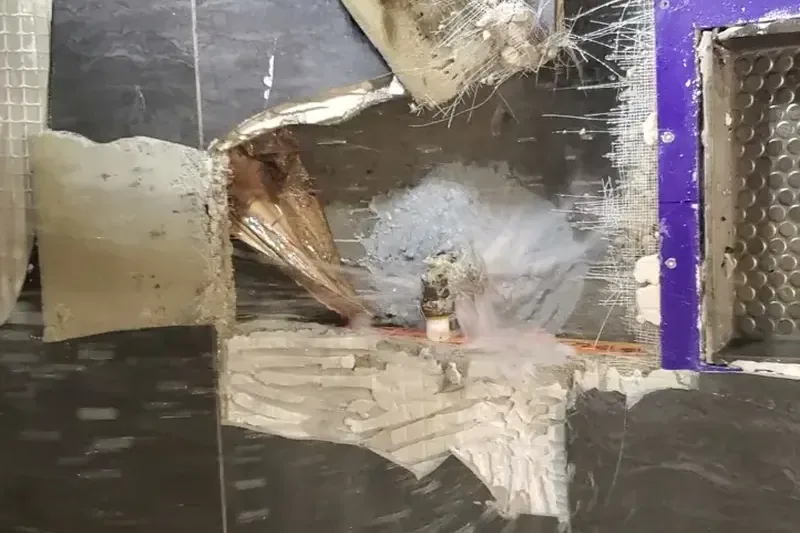
Release typeSudden supply water
PriorityStop flow without entering danger
Spread routeOpenings seams and cavities
VerificationRoom-specific moisture logs
Pipe water can cross a doorway, disappear below flooring and enter a wall before the source is isolated. Around Memphis, response may cover homes or other properties between the Palmetto boundary, U.S. Route 41 and Terra Ceia Bay. The work still begins inside the building, with the actual break and travel path. A sudden release can create a vertical path as well as a wide floor boundary. Water from an upper wall may enter insulation, emerge at a lower opening and continue beneath the next room. The crew marks those levels separately. Contents are moved only after their location and condition are recorded, preserving the original loss picture. Extraction begins where water is accessible, while cavity checks continue around penetrations and framing bays. When pressure from the pipe has pushed water into a dense assembly, readings determine whether controlled access will improve drying. The team then compares each zone during follow-up visits. A room that responds quickly may finish before an overhead cavity, so equipment removal is decided zone by zone rather than for the building all at once.
How burst pipe cleanup is handled in Memphis
- 1
Document the break
The crew records source conditions and coordinates around completed plumbing correction. The result is recorded for comparison.
- 2
Follow the water path
Meters extend through walls floors cabinets and rooms below the release. The result is recorded for comparison.
- 3
Extract by material
Open areas edges and suitable porous assemblies receive appropriate water removal tools. The result is recorded for comparison.
- 4
Manage separate zones
Drying equipment and readings track each affected assembly toward its own goal. The result is recorded for comparison.
What does burst pipe cleanup cost in Memphis, FL?
Burst pipe cleanup often ranges from $1,000 to $8,000 or more. A quickly isolated room can remain lower, while overhead release, several rooms, cabinetry and concealed cavities increase work.
Contained pipe release
$1,000 to $3,300
- Source condition photos
- Open floor extraction
- Focused material readings
Multiple rooms affected
$3,300 to $5,600
- Connected cavity checks
- Cabinet and wall access
- Several equipment zones
Extensive hidden spread
$5,600 to $8,000+
- Overhead material work
- Broad moisture mapping
- Detailed closing records
For a closer planning number, try the water damage cost calculator. A firm figure comes after the walkthrough and moisture map.
Safety and source control come before cleanup
Occupants should leave any area with wet electrical equipment, falling material or a bulging ceiling. A familiar shutoff can be used only when it is dry and reachable. Plumbing repair stops the release; restoration work records the source condition, classifies the water and captures photographs before moving affected contents. Extraction then progresses from pooled areas toward edges where water entered materials.
- Do not handle wet switches or plugged-in devices.
- Stay clear of sagging drywall and slippery floors.
- Use the shutoff only from a safe approach.
- Photograph the broken area without disturbing it.
- List rooms below and beside the release.
High volume water creates more than one drying zone
A break above a ceiling differs from a release inside a cabinet or behind a lower wall. Technicians meter connected finishes and create separate zones for ceilings, walls, floors or built-ins. Open water is removed first. If a cavity remains wet, access is based on contamination, damage and measurement evidence. Air movers and dehumidifiers are balanced for each exposed assembly.
Tamiami Trail is another name for U.S. Route 41, and U.S. Route 19 begins at that route in Memphis. Those corridors help describe coverage, not drying time. The size of the building, material density and how long the pipe ran control the work inside.
The repaired pipe is only the source correction
Floors, walls and cabinets still require measured drying or documented removal after plumbing service ends.
A clear chronology supports repair planning
Source photographs, the plumber's findings, the initial wet map, extraction quantities and daily values build a defensible sequence. Final readings identify retained materials, while removal notes show what reconstruction must replace.
Coverage
Burst Pipe Cleanup across Memphis, FL
Water damage service covers Memphis around U.S. Route 41, the U.S. Route 19 junction and Terra Ceia Bay. Source details and access hazards help dispatch prepare for properties near the Palmetto boundary.
See every area servedQuestions
Burst Pipe Cleanup questions in Memphis
What is the first action after a pipe breaks?
Keep away from electrical and structural hazards. Use a dry, familiar shutoff only if the route is safe. Plumbing service addresses the failed pipe, while restoration begins documenting and extracting the released water. The safe shutoff question should never override an electrical or structural hazard.
Why check rooms without a visible puddle?
Supply water can travel through framing openings, beneath continuous floors and into rooms below. Meter readings identify that concealed route and prevent the plan from ending at the obvious wet area. Rooms below the break often provide important evidence about the vertical route.
Can soaked drywall be dried in place?
Stable board exposed to suitable water may remain when cavity access is adequate and readings decline. Sagging, contaminated, detached or nonresponsive material may require controlled removal after an onsite assessment. Clean supply water can change condition after crossing dirty building materials.
Does pipe repair include structural drying?
Repairing the pipe stops new water. Extraction, moisture mapping, material evaluation and monitored drying are separate restoration tasks. Both scopes should be documented so the repair sequence remains clear. Opening decisions depend on measured cavity conditions and finish stability.
What affects the cleanup price?
The volume released, rooms reached, water category, finish types and cavity access shape cost. A floor-level break differs from water spreading through a ceiling, built-in cabinets and several enclosed walls. Source repair information belongs beside the restoration timeline in the file.
When can reconstruction start?
Repair planning follows once retained assemblies meet documented targets and the source remains corrected. The closing file should list final readings, removed finishes and any component still requiring attention. Final values should be tied to the same locations used at the beginning.
24/7 emergency dispatch
Burst Pipe Cleanup for Memphis, available 24/7
After the flow stops, extraction and cavity measurements reveal the real boundary so retained materials can dry before finishes are rebuilt. Final readings support the next repair step.
(888) 621-2041Request Memphis pipe cleanup
Memphis, FL · Find us on Google