Exterior water response
Storm Flood Cleanup in Memphis, FL
Water entering during severe weather may bring soil and debris through doors, walls or roof openings. Cleanup starts with safe access, contamination controls and a complete interior boundary. Conditions are verified onsite.
(888) 621-2041Request storm water assessment- Exterior water classification
- Contaminated area controls
- Documented material decisions
Water sourceRain or exterior accumulation
First decisionSafe entry and classification
Material issueContaminated porous finishes
Final checkClean dry retained assemblies
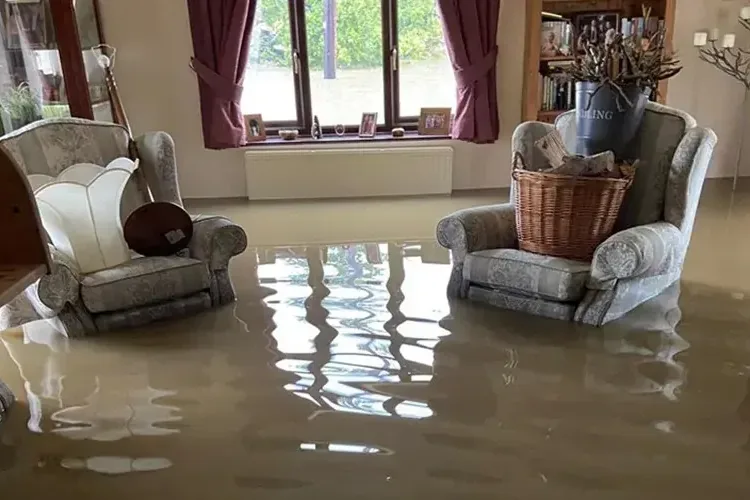
Memphis borders Terra Ceia Bay, which is part of Tampa Bay. After severe weather, the inspection separates rain through a roof opening from exterior water entering at ground level. Technicians inspect the actual opening, water route and indoor materials near U.S. Route 41, Palmetto or elsewhere in the community. Exterior water can leave both a moisture problem and a residue problem. Crews document the highest visible mark, deposits at floor edges and the route through doors or wall openings. Items are sorted within the controlled area so contaminated surfaces do not cross into clean rooms. After bulk extraction, removal exposes structural materials that may be suitable for cleaning and drying. The work sequence matters because premature airflow can distribute particles before surfaces are addressed. Once cleaning is complete, fresh measurements establish the starting condition for retained framing or subfloor. Equipment is then confined to the planned zones. Follow-up readings determine whether hidden low areas or enclosed edges still hold moisture after the open structure begins responding.
How storm flood cleanup is handled in Memphis
- 1
Establish safe boundaries
Electrical structural and contamination concerns are assessmented before entry and disturbance. The result is recorded for comparison.
- 2
Classify affected areas
The survey maps water height travel routes porous finishes and connected rooms. The result is recorded for comparison.
- 3
Remove and clean
Extraction controlled disposal and hard-surface cleaning follow the documented category. The result is recorded for comparison.
- 4
Dry retained structure
Framing and other suitable components receive monitored airflow dehumidification and final readings. The result is recorded for comparison.
What does storm flood cleanup cost in Memphis, FL?
Storm flood cleanup often ranges from $2,500 to $14,000 or more. A limited accessible area may remain lower; contamination, broad material removal, several rooms and structural exposure raise scope.
Limited storm entry
$2,500 to $6,300
- Safety boundary setup
- Standing water extraction
- Initial material sorting
Several affected rooms
$6,300 to $10,100
- Containment and removal
- Hard-surface cleaning
- Multiple drying areas
Extensive exterior water
$10,100 to $14,000+
- Broad porous disposal
- Structural component drying
- Detailed loss documentation
For a closer planning number, try the water damage cost calculator. A firm figure comes after the walkthrough and moisture map.
Entry waits until hazards and water conditions are understood
People should stay out when electrical service, moving water, unstable ceilings or contaminated surfaces create concern. Photographs from a safe location can preserve water marks and entry points. The restoration crew sets a work boundary, identifies affected rooms and evaluates whether porous contents or finishes can be safely handled. Exterior water is not treated like a fresh supply leak.
- Avoid direct contact with outside water and residue.
- Do not energize wet appliances or building systems.
- Leave damaged walls and ceilings undisturbed.
- Photograph entry points from a stable position.
- Report odors, sediment and sewage indicators.
Containment supports removal and cleaning
Work areas are separated to limit tracking. Standing water is extracted with equipment suited to the condition. Porous materials exposed to contaminated water may require controlled removal, while durable surfaces can receive appropriate cleaning. The crew then measures framing, subfloors and other retained components before placing drying equipment. Air movement is managed so it does not spread contamination into clean areas.
U.S. Route 19 connects from Memphis toward the Sunshine Skyway Bridge, another approved coverage landmark. Access routes may affect logistics, but they do not replace property evidence. Water height, exposure, material type and the entry route determine the actual scope.
Storm water requires a source-specific record
The file should distinguish exterior entry from roof rain, plumbing discharge or sewage so handling decisions remain understandable.
Drying follows the cleaning boundary
After removal and cleaning, dehumidification controls vapor from retained structural material. Consistent readings show whether framing and subfloor areas continue improving. The closing record identifies disposed materials, cleaning steps and verified end conditions.
Coverage
Storm Flood Cleanup across Memphis, FL
Water damage service covers Memphis around U.S. Route 41, the U.S. Route 19 junction and Terra Ceia Bay. Source details and access hazards help dispatch prepare for properties near the Palmetto boundary.
See every area servedQuestions
Storm Flood Cleanup questions in Memphis
Is all rain water considered clean?
No. Water that crosses soil, exterior surfaces or contaminated areas can carry unwanted material. The observed source and travel path determine classification, protective measures, cleaning and decisions about porous finishes. Water appearance alone cannot establish its contamination level or safe handling.
Should occupants enter to move belongings?
Not when electricity, unstable materials, moving water or contamination may be present. Belongings should be handled only after a safe work boundary is established and the water condition is understood. A controlled route reduces tracking between affected and unaffected portions of the property.
Why might drywall or carpet need removal?
Porous materials can retain contaminants and block access to wet structural components. Removal depends on exposure, condition and onsite evidence. Durable materials may be cleaned when the assessment supports retention. Porous retention depends on exposure and material condition found onsite.
How is storm water kept from clean rooms?
Containment, controlled movement, protective practices and separate equipment paths can reduce tracking. Air movement is planned carefully so contaminated dust or residue is not pushed into unaffected spaces. Cleaning records explain what occurred before structural drying equipment was introduced.
Does this service repair the exterior opening?
Restoration handles interior extraction, removal, cleaning, drying and documentation. Roof, door, wall or drainage correction may require the appropriate trade. The scopes should be coordinated and recorded separately. Entry-point correction belongs to the appropriate exterior or building trade.
What proves retained framing is dry?
Technicians take repeated readings at established locations and compare them with suitable reference materials. Wood, subfloor and enclosed components each need final readings compared with their drying targets. The completion file should distinguish removed finishes from retained structural parts.
24/7 emergency dispatch
Storm Flood Cleanup for Memphis, available 24/7
Safe boundaries, careful classification and recorded material decisions direct the property from exterior water removal through verified structural drying. Final readings support the next repair step.