Rain entry from above
Roof Leak Water Damage in Memphis, FL
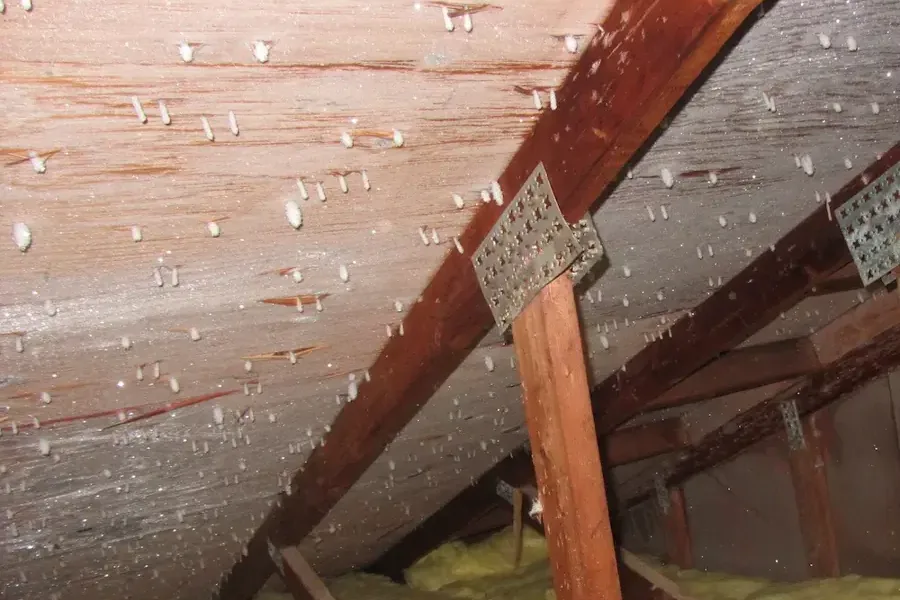
Wind-driven rain can travel beneath roofing and appear at a ceiling joint far from the opening. Interior stabilization, attic inspection and moisture mapping reveal the affected path. Conditions are verified onsite.
(888) 621-2041Request roof leak assessment- Rain path tracing
- Attic material checks
- Ceiling drying records
Likely sourceWind-driven roof entry
Travel routeDecking insulation ceiling and wall
Immediate issueWet electricity and unstable board
Finish pointDry retained roof-side materials
A ceiling drip may be the last point on a longer rain route. Water can move across decking, insulation and framing before reaching the room. In Memphis, near Terra Ceia Bay, U.S. Route 41 or Palmetto, the interior survey follows the actual stain upward rather than assuming where the roof opened. Roof entry often creates several moisture elevations within the same room. The ceiling surface, insulation above it and upper wall can respond differently even when they share one stain. Technicians mark each layer and avoid treating an attic reading as proof about the occupied space below. Where safe attic access exists, the survey also looks for compressed insulation, damp sheathing and water paths along framing. Interior containment protects belongings if controlled ceiling access becomes necessary. Once exterior correction is confirmed, the drying plan is adjusted around the exposed surfaces. Repeat values at the stain center, outside edge and nearby dry ceiling show whether the assembly is releasing moisture or whether another hidden route needs investigation.
How roof leak water damage is handled in Memphis
- 1
Stabilize interior conditions
Unsafe overhead finishes and wet electrical areas are isolated before inspection. The result is recorded for comparison.
- 2
Follow the upper route
Decking insulation framing ceilings and upper walls receive connected moisture checks. The result is recorded for comparison.
- 3
Open only where supported
Material condition and readings direct insulation handling or selective ceiling access. The result is recorded for comparison.
- 4
Verify retained components
Repeat values document drying progress after the exterior source is corrected. The result is recorded for comparison.
What does roof leak water damage cost in Memphis, FL?
Roof leak water damage work often ranges from $900 to $6,800 or more. One accessible stain can remain lower, while wet insulation, concealed travel and several rooms raise scope.
Localized ceiling area
$900 to $2,850
- Stain path survey
- Focused material readings
- Small drying setup
Attic and wall spread
$2,850 to $4,800
- Insulation assessment
- Cavity moisture checks
- Selective finish access
Several affected rooms
$4,800 to $6,800+
- Multiple drying zones
- Broad overhead mapping
- Detailed closing record
For a closer planning number, try the water damage cost calculator. A firm figure comes after the walkthrough and moisture map.
Protect the room before tracing the path
People should avoid wet light fixtures, outlets and bulging ceiling board. A container may catch a drip only when it can be placed without standing beneath unstable material. Photographs preserve stain shape, room contents and weather conditions. A roofing professional handles exterior correction; restoration technicians evaluate water already inside the building.
- Keep away from sagging or cracking overhead finishes.
- Do not enter an attic with wet electrical hazards.
- Move dry contents from a safe floor route.
- Photograph stains before they change shape.
- Report rooms beside and below the mark.
Insulation can redirect rain into another room
Attic material, framing joints and penetrations can carry water laterally. Technicians inspect safely accessible areas and meter ceiling board, upper walls and flooring below. Saturated insulation may require controlled handling. Stable finishes can remain when the water condition is suitable, access exists and readings show consistent improvement.
U.S. Route 19 begins at U.S. Route 41 in Memphis, but corridor location cannot predict roof construction. The crew documents the assembly found onsite. Airflow is directed at exposed wet surfaces, dehumidification manages released vapor and repeat measurements test the same points.
Roof repair and interior drying are separate scopes
Stopping new rain does not remove moisture already held by insulation, wood, ceiling board or wall cavities.
The record links weather entry to affected rooms
Useful documentation shows the observed opening, stain path, wet boundary, material actions and final values. It also identifies roofing work separately so later ceiling repairs follow verified drying.
Coverage
Roof Leak Water Damage across Memphis, FL
Water damage service covers Memphis around U.S. Route 41, the U.S. Route 19 junction and Terra Ceia Bay. Source details and access hazards help dispatch prepare for properties near the Palmetto boundary.
See every area servedQuestions
Roof Leak Water Damage questions in Memphis
Can the visible ceiling stain locate the roof opening?
Not reliably. Rain can move along decking, framing or insulation before dropping into the room. Interior mapping and an exterior roofing assessment are needed to connect the entry point with damaged materials. Weather timing and stain growth can help narrow the source without proving it.
Should a wet ceiling be punctured?
Occupants should not stand beneath sagging material or puncture a ceiling. Water may be near wiring, and the board can fail unexpectedly. Trained personnel should stabilize the area and choose safe access. Safe attic access must be established before insulation or decking is inspected.
Who repairs the roof itself?
A qualified roofing professional corrects the exterior defect. Restoration work addresses water in insulation, ceilings, walls, floors and contents. Separate documentation helps coordinate the two scopes. Material condition determines whether controlled ceiling access is warranted.
Can wet insulation stay in place?
Retention depends on insulation type, contamination, condition and access. Saturated or collapsed material may need removal, while other assemblies can sometimes dry when readings improve and air reaches the wet area. The same marked points should be checked as the assembly responds.
Why measure the room below after the drip stops?
Drying continues beneath the repaired roof until the affected materials reach their targets. Ceiling board, framing, wall cavities and flooring may continue holding moisture, so repeat readings are needed after source correction. Interior restoration and exterior roofing work remain separately documented scopes.
What should the final file show?
The record should identify the rain route, affected materials, any controlled opening, equipment placement and final readings. It should also note that exterior repair belongs to the roofing scope. Final readings give the repair contractor a reliable starting condition.
24/7 emergency dispatch
Roof Leak Water Damage Help for Memphis
Tracing rain from the interior mark toward the roof assembly supports careful access, focused drying and a clear handoff to repairs. Final readings support the next repair step.
(888) 621-2041Start a Memphis roof survey
Memphis, FL · Find us on Google