Condensate path cleanup
Air Conditioner Leak Cleanup in Memphis, FL
A clogged drain, damaged pan or equipment issue can send condensate into hidden finishes. The survey separates mechanical correction from drying the surrounding building materials. Conditions are verified onsite. Material readings define the boundary.
(888) 621-2041Request condensate leak help- Drain path assessment
- Cooling area safety
- Hidden finish readings
Possible originDrain pan pump or equipment
Travel routeCloset ceiling wall and floor
Separate tradeCooling equipment correction
Drying proofReadings around the unit
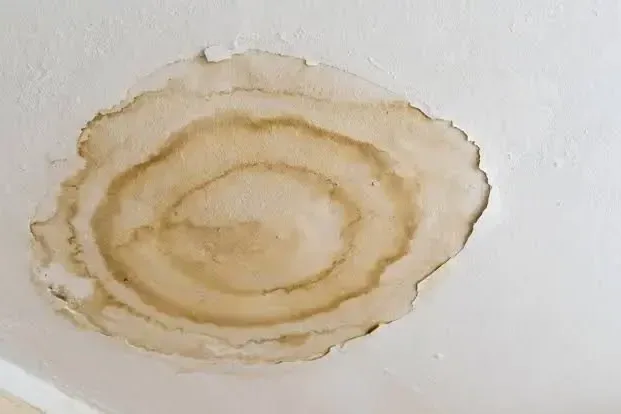
Condensate may appear as a closet puddle, ceiling ring or damp floor edge away from the equipment. Memphis properties near Palmetto, U.S. Route 41 and Terra Ceia Bay need a survey that follows the actual drain and finish path. Cooling-related water can recur intermittently, making the operating pattern useful evidence. The crew records whether dripping appears during a cooling cycle, after shutdown or around a pump. That observation is shared with the mechanical professional without claiming a diagnosis. Surrounding restoration checks continue along gravity paths and through connected finishes. A ceiling below an attic unit may need a different access plan from a closet floor. After the fault is corrected, readings show whether moisture is still migrating from insulation or another concealed layer. Equipment placement protects service clearance and does not obstruct mechanical work. The final comparison covers the enclosure, adjacent finish edges and any lower room reached by condensate. Each area is compared with a dry material reference before the placement is accepted.
How air conditioner leak cleanup is handled in Memphis
- 1
Inspect the equipment area
The drain pan enclosure and visible water path are documented safely. The result is recorded for comparison.
- 2
Map adjoining finishes
Meters test closet walls ceilings flooring and nearby or lower rooms. The result is recorded for comparison.
- 3
Extract and expose
Detail removal and selective access address trapped water where evidence supports it. The result is recorded for comparison.
- 4
Confirm material drying
Recorded values around the cooling area establish the restoration finish point. The result is recorded for comparison.
What does air conditioner leak cleanup cost in Memphis, FL?
Air conditioner leak cleanup often ranges from $750 to $5,000 or more. An accessible closet area stays lower, while ceiling travel, wet insulation and several finished rooms increase scope.
Accessible equipment area
$750 to $2,150
- Drain area photographs
- Closet floor extraction
- Wall edge readings
Ceiling or floor spread
$2,150 to $3,550
- Cavity moisture survey
- Condensate path map
- Selective finish access
Several finished spaces
$3,550 to $5,000+
- Multiple drying zones
- Cooling trade coordination
- Extended material records
For a closer planning number, try the water damage cost calculator. A firm figure comes after the walkthrough and moisture map.
Wet cooling equipment requires careful access
Occupants should avoid wet controls, wiring and ceiling fixtures. Normal dry thermostat controls may be used only when clearly safe. A cooling professional corrects the mechanical fault. Restoration personnel document staining, extract accessible water and test the nearby building materials.
- Keep away from wet switches and exposed cords.
- Do not open the equipment cabinet without training.
- Photograph the closet or ceiling mark.
- Note whether leaking follows cooling operation.
- Report damp rooms beside or below the unit.
Condensate can follow a narrow concealed route
A blocked drain may wet a wall base slowly, while a pan release can spread into a ceiling. Meters check closet walls, ceiling board, flooring and rooms below. Detail extraction removes accessible water. Selective access is considered when insulation, swelling or a closed cavity prevents drying.
Tamiami Trail is another name for U.S. Route 41, and U.S. Route 19 starts there in Memphis. Those place facts do not reveal equipment position. Technicians record whether the actual system is in a closet, attic or other area before designing airflow.
Clearing a drain does not dry finished materials
Walls, ceilings and floors need their own measurements after mechanical service stops new condensate.
A complete file connects both scopes
Documentation identifies the observed equipment issue, wet boundary, extraction, cavity actions and final material values. It distinguishes cooling service from restoration for later repairs.
Coverage
Air Conditioner Leak Cleanup across Memphis, FL
Water damage service covers Memphis around U.S. Route 41, the U.S. Route 19 junction and Terra Ceia Bay. Source details and access hazards help dispatch prepare for properties near the Palmetto boundary.
See every area servedQuestions
Air Conditioner Leak Cleanup questions in Memphis
Should the cooling system keep running after a leak?
Operation may create more condensate, but occupants should not touch wet controls. A normal dry thermostat can be used only when safe. Mechanical service determines the equipment fault. Operating timing can help the cooling professional investigate the mechanical cause. The nearby finish condition remains part of that decision.
Why can a drain clog stain a ceiling?
Condensate can follow framing, pipes or wall surfaces before reaching an opening. The visible ring may be one exit point, so readings trace the surrounding ceiling and wall. Wet electrical components should remain untouched regardless of the visible water amount. The nearby finish condition remains part of that decision.
Who repairs the air conditioner?
A qualified cooling professional addresses the drain, pan, pump or equipment. Restoration work covers extraction, building-material evaluation, drying and documentation around that separate mechanical scope. A ceiling mark below equipment warrants checks beyond the stain boundary. The nearby finish condition remains part of that decision.
Can closet drywall remain?
Stable board exposed to suitable water may dry when access is adequate and values improve. Soft, detached or nonresponsive material may need controlled removal to expose the assembly. Mechanical clearance must remain available while surrounding materials are dried. The nearby finish condition remains part of that decision.
Why inspect nearby rooms?
Water can pass under continuous flooring, through a wall base or down to a lower room. Testing confirms whether the release stayed inside the equipment area. Closet walls and floors may create separate measurement zones around the unit. The nearby finish condition remains part of that decision.
What affects condensate cleanup cost?
Equipment location, materials, cavity access and unnoticed travel shape scope. A closet floor differs from wet insulation, a ceiling below and several connected finished spaces. Final documentation links source correction with verified nearby material conditions. The nearby finish condition remains part of that decision.
24/7 emergency dispatch
Air Conditioner Leak Cleanup Help for Memphis
Mechanical correction stops new condensate, while mapped readings and monitored drying prepare surrounding ceilings, walls and floors for repair. Final readings support the next repair step.