Bathroom overflow response
Toilet Overflow Cleanup in Lakewood Ranch, FL
Fixture contents and the water route determine containment, extraction, cleaning and material decisions after a toilet overflow. The bathroom boundary stays controlled while porous finishes and adjoining rooms are assessed.
(888) 621-2041Request Toilet Overflow help- Water category first
- Bathroom spread mapping
- Controlled surface cleaning
First questionWhat entered the bowl
Spread pointsJoints, baseboards and adjoining floors
Material choiceCategory, porosity and condition
CompletionClean surfaces and dry assemblies
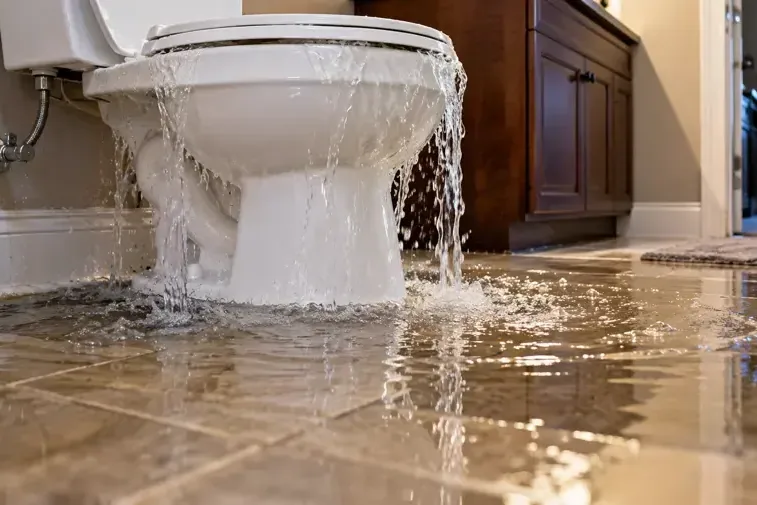
A bathroom overflow cannot be classified from clear appearance alone. The response depends on what entered the bowl, whether waste was present and which materials the water crossed. In a Waterside townhome, liquid may pass beneath a shared wall. In a Summerfield house, it may follow a hallway floor toward another room. The crew documents the fixture condition and maps tile joints, baseboards, cabinets and adjoining finishes before selecting extraction, removal and cleaning steps.
How toilet overflow cleanup is handled in Lakewood Ranch
- 1
Classify the overflow
The assessment records bowl contents, fixture behavior and the materials crossed by the water.
- 2
Map beyond the bathroom
Technicians check grout, baseboards, cabinets, thresholds and adjoining wall or floor assemblies.
- 3
Remove and clean appropriately
Porosity, contamination and physical condition determine retention, controlled removal and surface treatment.
- 4
Verify connected materials
Repeated readings confirm that retained bathroom and neighboring assemblies have reached the drying goal. Bathroom contents and adjoining materials are tracked as separate decisions.
What does toilet overflow cleanup cost in Lakewood Ranch, FL?
Toilet overflow cleanup generally ranges from $700 to $4,200 or more. Water category guides cleaning and porous removal; floor layers, cabinets and spread outside the bathroom determine the extent of subsequent drying.
Contained bathroom area
$700 to $1,850
- Fixture event records
- Floor water extraction
- Grout edge checks
Bathroom material spread
$1,850 to $3,000
- Cabinet base assessment
- Wall bottom readings
- Suitable surface cleaning
Adjoining room impact
$3,000 to $4,200+
- Expanded work boundary
- Porous material removal
- Multiple drying locations
For a closer planning number, try the water damage cost calculator. A firm figure comes after the walkthrough and moisture map.
Occupants should preserve the boundary
The bathroom stays unused, and people avoid walking through the overflow. A supply control may be used from a dry safe position if water is still entering, but the blockage or internal fixture problem should not be disturbed casually. Towels and rugs are left in place until their condition is documented. Household fans are avoided when contamination is possible. Photos taken from the doorway can preserve the original water path without spreading it.
- Stop using the fixture and close the bathroom.
- Keep children and pets outside the wet area.
- Do not carry soaked rugs through clean rooms.
- Avoid fans until the water category is established.
- Report whether waste or cleaning products were present.
The category determines how porous finishes are treated
A clean supply overflow without waste may allow more material to remain when extraction and readings show progress. Water containing waste requires contaminated water controls and can make porous flooring, trim or wallboard unsuitable for retention. Technicians inspect grout joints, cabinet bases, floor transitions and the reverse side of nearby walls. Hard surfaces are cleaned using a process appropriate to the documented condition after gross material is removed.
Structural drying follows extraction and any required cleaning or removal. Dehumidification manages room vapor, while airflow is used within the proper control plan. Readings in lower walls, flooring and connected spaces show whether moisture moved beyond the bathroom. The sewage backup service explains the stricter containment used for confirmed wastewater from a drain or sewer reversal.
Clear water can still have different categories
Appearance does not reveal what contacted the water. Fixture contents and the route across materials shape the handling decision.
Records explain why each material stayed or left
The file notes the fixture event, category basis, initial boundary, extraction, cleaning, removed porous materials and final readings. That sequence supports repair planning for the bathroom and any adjoining floor or wall affected by the overflow.
Del Webb Catalina includes attached villas and single-family homes. When a bathroom shares construction with another room, the inspection extends to that connection without assuming every property has the same layout.
Coverage
Toilet Overflow Cleanup across Lakewood Ranch, FL
The restoration team serves Lakewood Ranch homes, villas, condominiums and business properties. Reports of wet ceilings, appliance leaks, standing water or sewage help the crew prepare the first inspection and choose equipment for the affected rooms.
See every area servedQuestions
Toilet Overflow Cleanup questions in Lakewood Ranch
Is toilet overflow water always sewage?
No. Classification depends on what entered the bowl and what the water contacted. An overflow involving waste requires contaminated water controls. A clean supply event may be treated differently after the fixture and route are documented.
What should happen to wet bathroom rugs?
They should remain inside the affected boundary until photographed and evaluated. Carrying them through clean rooms can spread water or contamination. Handling depends on material, category and whether suitable cleaning is practical.
Can tile stay after an overflow?
The tile surface may be retainable, but grout, underlayment, wall bases and transitions still need evaluation. Category, physical condition and hidden spread determine whether cleaning and drying are enough or selective access is required.
Why are nearby rooms inspected?
Overflow water can pass through a doorway, beneath continuous flooring or into a shared wall. Readings outside the bathroom reveal whether the visible edge represented the full loss or only the first affected space.
When are fans appropriate?
Air movement follows water classification, extraction, necessary removal and suitable cleaning. Household fans should not be used casually when contamination may be present. Restoration airflow is arranged within the established work boundary.
What changes the price of overflow cleanup?
The water category, bathroom finishes and spread into connected rooms determine the scope. Waste contacting porous trim requires different handling from a contained clean supply event. The estimate should explain cabinet access, floor layers, cleaning and drying separately. Documentation ties each removed or retained item to its observed condition, so the owner can understand both the cleanup work and the repairs that remain after the affected bathroom materials reach their drying goals.
24/7 emergency dispatch
Toilet Overflow Cleanup for Lakewood Ranch, available 24/7
The bathroom record should explain the water category and every material decision. Cleaning notes and final readings give the owner a clear basis for repairing affected surfaces.
(888) 621-2041Start Toilet Overflow care
Lakewood Ranch, FL · Find us on Google