Sewage containment response
Sewage Backup Cleanup in Lakewood Ranch, FL
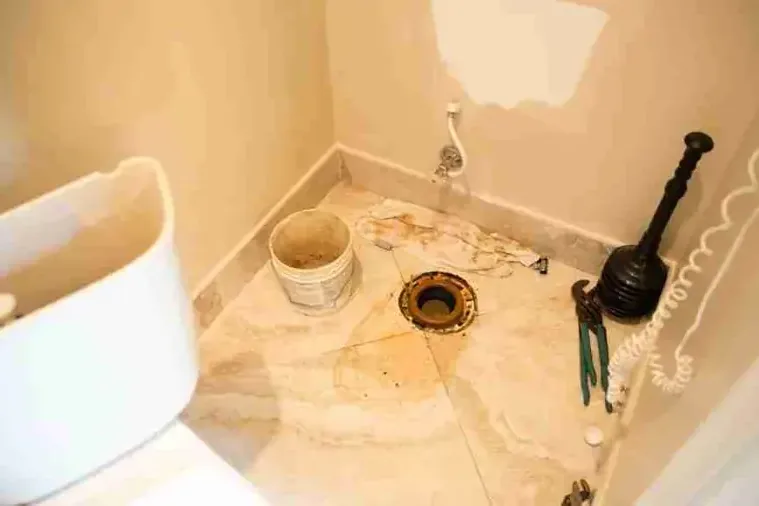
Category 3 wastewater requires a controlled boundary, protected debris route and separate records for removal, cleaning and drying. Unaffected rooms remain separated while contaminated materials move through a protected route.
(888) 621-2041Request Sewage Backup help- Category 3 controls
- Protected debris route
- Measured structural drying
Water categoryCategory 3 wastewater
First boundaryContaminated rooms and clean access
Porous materialsControlled removal after documentation
CompletionCleaning records and dry assemblies
A wastewater release changes the order of work from the first step. The affected room is treated as a contaminated area, and occupants should not walk through it to retrieve belongings. In an attached villa at Azario Esplanade or a townhome in Palm Grove, shared construction and close room connections make clean access planning especially important. The crew identifies the backup boundary, protects unaffected spaces and documents what the water reached before removal begins.
How sewage backup cleanup is handled in Lakewood Ranch
- 1
Set the containment boundary
Workers separate contaminated rooms, clean access and debris movement before extraction or removal starts.
- 2
Remove unsuitable porous material
Wastewater touched carpet, padding, insulation and wallboard are handled under controlled conditions.
- 3
Clean retainable surfaces
Hard materials receive a process selected for their condition after gross contamination is removed.
- 4
Dry exposed assemblies
Framing and suitable retained finishes are measured through completion inside the controlled work area. Contamination control continues through debris removal and cleaning.
What does sewage backup cleanup cost in Lakewood Ranch, FL?
Sewage cleanup commonly ranges from $2,200 to $12,000 or more. The contaminated boundary, affected contents and porous removal determine much of the work, followed by cleaning access and the required drying scope.
Contained wastewater area
$2,200 to $5,450
- Work boundary setup
- Gross water removal
- Hard surface evaluation
Porous material impact
$5,450 to $8,650
- Controlled debris handling
- Wall and floor access
- Cleaning process records
Broad contaminated loss
$8,650 to $12,000+
- Multiple contained rooms
- Extensive porous removal
- Longer structural monitoring
For a closer planning number, try the water damage cost calculator. A firm figure comes after the walkthrough and moisture map.
Containment precedes ordinary water removal
Children, pets and unprotected occupants stay outside the work zone. Fans are not placed casually because uncontrolled air movement can carry contamination beyond the room. Photographs are taken from a safe position, and the path used by workers is separated from clean household traffic. The team evaluates drains, fixtures, floor transitions, wall bottoms and any contents touched by wastewater. Source correction is coordinated separately so new flow does not enter the controlled area.
- Close the room and keep occupants away from wastewater.
- Do not use household fans inside the contaminated space.
- Avoid carrying wet contents through clean living areas.
- Photograph visible conditions only from a safe boundary.
- Report every drain or fixture involved in the backup.
Material decisions follow contamination and porosity
Porous carpet, padding, insulation and wallboard that contacted sewage generally require controlled removal. Hard nonporous surfaces are evaluated for an appropriate cleaning process after gross material is removed. The crew packages debris within the work zone and maintains a clean route. Hidden spread beneath flooring or inside walls is checked with direct observation and moisture readings. These steps address both contamination and retained water instead of treating the event as a simple dry out.
Once removal and cleaning are complete, exposed framing and suitable retained surfaces enter the drying phase. Dehumidification manages vapor, while airflow is used only within the established control plan. Material readings document progress toward the dry comparison. The toilet overflow service covers fixture events whose category depends on what entered the bowl and where the overflow traveled.
Wastewater should remain inside a controlled boundary
Unplanned foot traffic, contents movement or fan use can spread contamination. A defined work route keeps the response organized.
The file records cleaning and drying as separate stages
Documentation identifies the backup source, initial boundary, removed porous materials, cleaning actions and final moisture readings. That sequence supports repair planning and gives the property owner a factual account of how contaminated and retained water were addressed.
Star Farms includes townhomes as well as attached villas and single-family homes. The building layout determines which adjoining partitions need inspection when wastewater reaches a floor edge.
Coverage
Sewage Backup Cleanup across Lakewood Ranch, FL
The restoration team serves Lakewood Ranch homes, villas, condominiums and business properties. Reports of wet ceilings, appliance leaks, standing water or sewage help the crew prepare the first inspection and choose equipment for the affected rooms.
See every area servedQuestions
Sewage Backup Cleanup questions in Lakewood Ranch
Why is sewage considered Category 3 water?
Wastewater can contain harmful contaminants and is handled with the highest water category controls. The work area, protective measures, material removal and cleaning sequence reflect that condition before structural drying proceeds.
Should a household fan be used after a backup?
No. Uncontrolled air movement may carry contamination outside the affected room. The area should remain closed until workers establish containment, remove gross material and determine how airflow can be used safely during later drying.
Can carpet remain after sewage contact?
Porous carpet and padding touched by wastewater generally require controlled removal because reliable cleaning through every layer is not practical. The subfloor beneath them is then evaluated, cleaned as appropriate and monitored for retained moisture.
What happens to furniture and personal contents?
Items are documented and evaluated by material, condition and contact. They should not be carried through clean rooms without a prepared route. Some hard items may be candidates for cleaning, while contaminated porous belongings may not be suitable.
How is hidden wastewater found?
The survey follows floor seams, wall bottoms, cabinet edges and adjoining rooms. Direct inspection establishes contamination where possible, while moisture readings identify retained water in exposed structural materials after controlled removal.
What determines the cleanup scope?
The affected area, wastewater depth, porous materials, concealed spread, contents and access all influence the work. A contained hard surface event differs from a backup reaching carpet, wall cavities and several connected rooms. Every retained hard surface is considered according to its material, condition and contact before the cleaning process is selected. The resulting record explains both contamination control and the moisture condition of exposed structural components.
24/7 emergency dispatch
Sewage Backup Cleanup for Lakewood Ranch, available 24/7
After wastewater removal, the record must still account for cleaning and retained material moisture. Those results establish the condition of the work area before reconstruction begins.
(888) 621-2041Start Sewage Backup care
Lakewood Ranch, FL · Find us on Google