Condensate damage response
Air Conditioner Leak Cleanup in Ellenton, FL
A drain, pan or air handler problem can wet closets, ceilings and flooring, requiring mechanical correction plus separate building material recovery. The inspection also separates the cooling repair from moisture recovery in connected finishes.
(888) 621-2041Request Air Conditioner seepage help- Condensate route mapping
- Cooling area safety
- Cavity moisture values
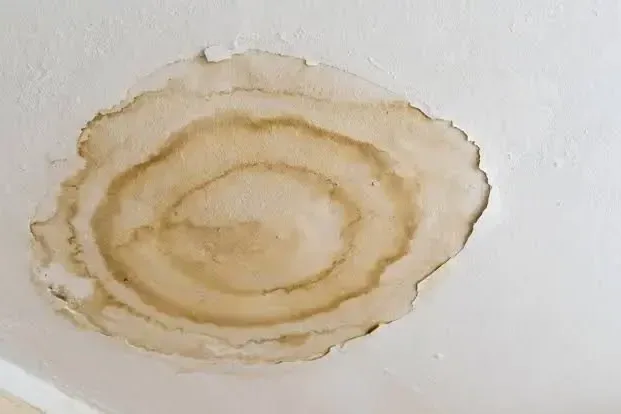
Mechanical sourceCondensate drain, pan or air handler
Potential routeCloset, ceiling and floor edges
Trade divisionCooling repair and material recovery
Drying proofReadings around the equipment space
A condensate problem may begin as a quiet drip behind cooling equipment and appear later as a floor edge or ceiling stain. In Ellenton properties near Interstate 75, Palmetto and U.S. Route 301, equipment locations and room connections vary. Technicians examine the drain, pan and accessible enclosure, then trace moisture into nearby walls, ceilings and flooring. Mechanical repair and building restoration remain separate responsibilities from the start.
How air conditioner leak cleanup is handled in Ellenton
- 1
Inspect the condensate system area
The survey covers the drain, pan, enclosure and surrounding finish materials for water spread.
- 2
Follow moisture into construction
Meters test closet walls, ceilings, floors and rooms beside or below the equipment.
- 3
Remove water with focused access
Detail extraction and selective openings address trapped moisture without unnecessary finish disturbance.
- 4
Verify surrounding material recovery
Consistent readings establish the ending condition apart from the completed mechanical repair. The final comparison includes the closet boundary and any ceiling or threshold reached by the condensate route.
What does air conditioner leak cleanup cost in Ellenton, FL?
Air conditioner leak cleanup generally ranges from $750 to $5,000 or more. Equipment location, cavities, ceiling spread and affected finishes determine scope. Separate cooling repair charges may also apply outside the restoration scope.
Accessible cooling area
$750 to $2,150
- Drain condition photos
- Closet water removal
- Wall edge measurements
Ceiling or floor path
$2,150 to $3,550
- Cavity moisture survey
- Condensate route tracing
- Selective finish opening
Several affected spaces
$3,550 to $5,000+
- Multiple drying sections
- Cooling trade coordination
- Extended material records
For a closer planning number, try the water damage cost calculator. A firm figure comes after the walkthrough and moisture map.
Wet controls and equipment cabinets stay untouched
Occupants should avoid electrical switches, exposed cords and panels around the affected unit. A normal thermostat may be used from a dry location only when its operation is clear. Photos preserve the equipment area, drip marks and nearby belongings before service access changes them. A cooling contractor identifies and repairs the equipment fault, while restoration workers map and dry surrounding construction.
- Keep away from wet switches, panels and wiring.
- Do not open the air handler cabinet.
- Photograph closet and ceiling symptoms before service.
- Note whether dripping follows cooling operation.
- Report damp finishes beside or below equipment.
Condensate can follow a narrow concealed route
A blocked drain may wet one wall edge slowly, while a failed pan can affect a larger ceiling section. Meters determine whether drywall, insulation, flooring or cabinet material absorbed water. Detail extraction addresses reachable pooling, and controlled access is created only where evidence supports it. Stable materials may remain when their condition and readings improve. Deteriorated finishes or trapped wet insulation need a different decision.
Airflow is directed toward exposed damp surfaces without interfering with cooling service. Dehumidifiers collect vapor from the room. Repeated measurements at consistent points reveal whether a closet, ceiling or threshold continues holding moisture. The ceiling leak service addresses overhead symptoms when the exact source still needs comparison with roof or plumbing conditions.
Clearing a drain stops water but does not dry finishes
Walls, ceilings and floors keep their own moisture condition after the mechanical cause is corrected.
One record connects two distinct scopes
The closeout file names the observed equipment fault, rooms checked, mapped boundary, extraction and ending material values. It shows where cooling repair ended and where water damage restoration prepared the building for finish work.
In a compact equipment closet, condensate may reach a shared threshold before it becomes visible in the occupied room. Marked readings around that transition reveal whether the moisture remained beside the unit or moved beneath continuous flooring. This focused comparison prevents a repaired drain from being mistaken for a completed building dry-out.
Coverage
Air Conditioner Leak Cleanup across Ellenton, FL
The team responds across Ellenton, including properties near U.S. Route 301, the Manatee River and the Interstate 75 boundary. The adjoining communities of Palmetto and Memphis also have service information below.
See every area servedQuestions
Air Conditioner Leak Cleanup questions in Ellenton
Should cooling equipment remain on after a leak?
Operation may add condensate, but occupants should not touch wet electrical parts or unfamiliar controls. A normal dry thermostat may be used safely. The cooling trade determines the fault, while restoration staff assess building materials.
How can a small drain problem stain a ceiling?
Condensate may follow framing, pipes or wall surfaces before reaching a visible opening. The stain can represent one exit point. Measurements trace the damp route through ceiling and adjoining materials.
Who repairs the air conditioner itself?
A qualified cooling contractor addresses the drain, pan, pump or air handler. The restoration scope covers extraction, material evaluation, access, drying and documentation around the equipment. Both responsibilities should remain clear in the file.
Can wet closet drywall remain?
Stable drywall affected by suitable water may stay when access and measurements show steady improvement. Soft board, wet insulation, separated finishes or a layer that does not respond may require controlled removal.
Why are rooms beside the equipment checked?
Water can travel beneath continuous flooring, through a wall base or into a ceiling below. Testing connected spaces establishes whether the loss stayed inside the enclosure or crossed its visible edge.
What affects condensate cleanup cost?
Equipment location, affected materials, cavity access and the distance water traveled through construction shape the work. An open closet floor differs from a loss involving a ceiling, insulation and multiple finished areas. In Ellenton, the air handler may sit in a closet, attic or other enclosed position, so the rooms beside and below it matter. Completion requires dry material values around the entire condensate path, not simply a drain that runs again. That distinction protects later repairs.
24/7 emergency dispatch
Air Conditioner Leak Cleanup for Ellenton, available 24/7
Mechanical repair and material drying remain distinct parts of preparing ceilings, walls and floors for stable finish work. The closeout record should identify both responsibilities clearly.