Tank release cleanup
Water Heater Leak Cleanup in Memphis, FL
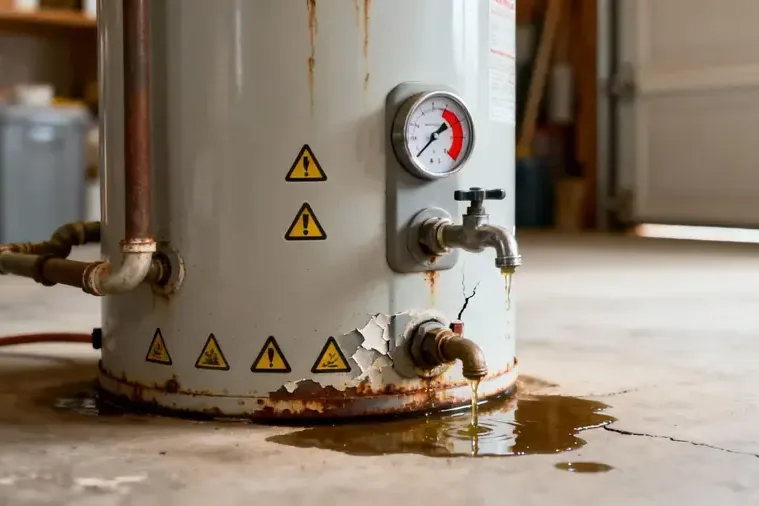
A failed tank, fitting or valve can wet a utility area and push water beneath walls into finished rooms. Cleanup begins after safe supply and energy control. Conditions are verified onsite.
(888) 621-2041Request tank leak cleanup- Utility area extraction
- Wall edge measurements
- Adjoining room checks
Common originsTank valve or fitting
Safety concernWater near powered equipment
Survey routeUtility floor walls and next room
Finish evidenceStable readings after extraction
Tank water can leave a utility space through a doorway, wall base or floor seam. A Memphis inspection follows those transitions toward finished rooms rather than stopping at the appliance. Properties near Palmetto, U.S. Route 41 and Terra Ceia Bay receive decisions based on their actual materials and equipment location. Utility areas often contain several boundaries in a small footprint. Water may cross from concrete to finished flooring, pass beneath a framed wall or reach stored belongings around the tank. Technicians divide those materials before selecting extraction tools. Moisture can remain in wallboard or the adjoining room after the garage slab looks dry. Likewise, replacing the tank can conceal the original source area unless photographs and readings are taken first. After accessible water is removed, the crew tracks transitions and lower framing. Equipment remains positioned around safe mechanical clearance. Subsequent values reveal whether water stayed local or continued beneath a finish into a separate drying zone.
How water heater leak cleanup is handled in Memphis
- 1
Secure the utility area
Water electricity fuel and unstable equipment concerns are assessmented before work. The result is recorded for comparison.
- 2
Extract open surfaces
Suitable tools remove water from the utility floor edges and connected rooms. The result is recorded for comparison.
- 3
Measure shared assemblies
Wall bases flooring cabinets and finishes beyond the room receive readings. The result is recorded for comparison.
- 4
Document the dry down
Equipment changes and final values create a record separate from tank repair. The result is recorded for comparison.
What does water heater leak cleanup cost in Memphis, FL?
Water heater leak cleanup often ranges from $850 to $5,500 or more. An accessible floor area stays lower, while wall travel, finished rooms, cabinets and prolonged release increase scope.
Utility area only
$850 to $2,400
- Source photographs
- Open floor extraction
- Wall edge readings
Adjoining room spread
$2,400 to $3,900
- Transition moisture map
- Finish material checks
- Focused drying equipment
Several wet assemblies
$3,900 to $5,500+
- Multiple room zones
- Selective cavity access
- Extended drying documentation
For a closer planning number, try the water damage cost calculator. A firm figure comes after the walkthrough and moisture map.
Do not handle wet mechanical or electrical controls
Occupants should avoid the tank, cords, panels and nearby devices when water surrounds them. Supply or energy controls should be used only by someone qualified and only from a dry position. Appliance service corrects the tank or fitting. Restoration work photographs the loss, extracts released water and measures the building materials.
- Keep people outside the wet utility area.
- Do not touch powered equipment standing near water.
- Avoid moving a damaged or unstable tank.
- Photograph the floor path from a safe doorway.
- Report dampness in rooms sharing the wall.
Edges and penetrations often hold the remaining water
After open water is removed, meters test lower walls, trim, cabinets and flooring on both sides of the utility boundary. Concrete, tile, wood products and wall board need different drying approaches. Selective access may be needed where swollen finishes or closed cavities prevent inspection. Airflow is kept clear of mechanical service work.
U.S. Route 19 reaches its southern terminus in Memphis at U.S. Route 41. Water around a heater can reach surrounding walls before it appears at a doorway. The response team records whether the actual unit is in a garage, closet or other space and adapts the drying plan to what is found.
Tank replacement does not dry the room
Water held in wall bases, flooring and adjacent finishes still requires extraction, evaporation control and verification.
Two scopes should remain distinct in the file
The record notes equipment service separately from water mitigation. Source photographs, affected boundaries, material actions and closing readings show what happened around the heater and what remains for repair.
Coverage
Water Heater Leak Cleanup across Memphis, FL
Water damage service covers Memphis around U.S. Route 41, the U.S. Route 19 junction and Terra Ceia Bay. Source details and access hazards help dispatch prepare for properties near the Palmetto boundary.
See every area servedQuestions
Water Heater Leak Cleanup questions in Memphis
Should the water heater be turned off?
Only qualified people should handle energy controls, especially when water is nearby. Occupants should avoid wet equipment and use a safe supply shutoff only when it is familiar, dry and accessible. Energy and fuel controls should be handled only by someone qualified. The affected boundary remains recorded.
Who repairs or replaces the heater?
An appropriate plumbing or appliance professional handles the tank, valve and connections. Restoration personnel extract water, assess building materials, manage drying and document conditions around that mechanical work. The tank location changes which adjoining materials require immediate checking. The affected boundary remains recorded.
Why inspect the room beside the heater?
Water can cross beneath a shared wall, follow flooring or enter a cabinet base before becoming visible. Readings on both sides of the utility boundary establish the actual affected area. Concrete and finished flooring need different measurement and drying approaches. The affected boundary remains recorded.
Can drywall around the tank remain?
Stable wall board exposed to suitable water may dry when access and readings support retention. Swollen, contaminated or nonresponsive material may need controlled removal so framing can be evaluated. Mechanical replacement should not erase the documented water-loss boundary. The affected boundary remains recorded.
What affects tank leak cleanup cost?
Equipment location, released volume, rooms reached, material types and cavity access shape the scope. A small open garage area differs from water entering finished flooring, walls and built-in cabinets. Shared wall readings can reveal spread that is invisible from the utility side. The affected boundary remains recorded.
What documentation should be kept?
Keep source photographs, equipment service information, the first moisture map, extraction details, material decisions and final values. These records separate appliance correction from building restoration. Final notes distinguish dry building materials from the completed appliance work. The affected boundary remains recorded.
24/7 emergency dispatch
Water Heater Leak Cleanup Help for Memphis
After the tank is made safe, detailed extraction and transition checks address water that moved beyond the visible utility floor. Final readings support the next repair step.
(888) 621-2041Start Memphis tank cleanup
Memphis, FL · Find us on Google