Bathroom overflow response
Toilet Overflow Cleanup in Memphis, FL
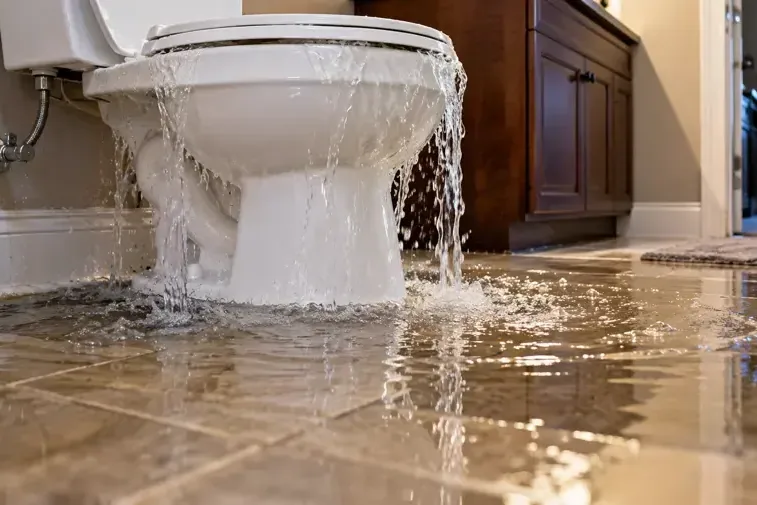
Overflow water can cross grout, trim and doorways before the fixture stops. Its contents and travel path determine protective measures, cleaning and material retention. Conditions are verified onsite. Material conditions are recorded.
(888) 621-2041Request overflow cleanup- Water category assessment
- Bathroom containment
- Floor edge extraction
First questionWhat entered the overflow
Spread routeGrout trim doorway and wall
Work boundaryBathroom and connected finishes
CompletionClean surfaces and dry materials
A toilet overflow can look confined while water has already reached a wall base or hallway floor. In Memphis, properties near Palmetto, Tamiami Trail and Terra Ceia Bay receive an onsite category decision based on the bowl contents, source and surfaces touched. A bathroom contains many narrow routes where overflow water can remain after the surface is wiped. It may enter the gap at a toilet base, pass beneath trim or cross a threshold into an adjoining finish. Technicians mark those edges and keep cleaning tools within the controlled space. The fixture condition and bowl contents are recorded before deciding which porous materials can remain. Extraction is followed by detailed hard-surface cleaning appropriate to the category. Lower wall and vanity readings then establish whether hidden components require access. Only after those steps does the drying phase begin. Repeat values document that retained subfloor, framing or wall material has responded.
How toilet overflow cleanup is handled in Memphis
- 1
Set the work boundary
The bathroom and connected wet finishes are isolated from clean occupied spaces. The result is recorded for comparison.
- 2
Determine water category
Bowl contents source and travel path establish protective and cleaning requirements. The result is recorded for comparison.
- 3
Extract and clean
Accessible water is removed before hard surfaces and affected materials are addressed. The result is recorded for comparison.
- 4
Verify retained structure
Lower walls subfloors and suitable finishes receive repeat moisture measurements. The result is recorded for comparison.
What does toilet overflow cleanup cost in Memphis, FL?
Toilet overflow cleanup often ranges from $700 to $4,200 or more. A limited clean overflow stays lower, while waste, hallway spread and porous removal increase scope.
Contained bathroom area
$700 to $1,850
- Category assessment
- Tile surface extraction
- Perimeter moisture checks
Doorway or wall spread
$1,850 to $3,000
- Expanded work boundary
- Trim and vanity checks
- Focused material drying
Contaminated broad loss
$3,000 to $4,200+
- Porous material removal
- Detailed surface cleaning
- Multiple drying sections
For a closer planning number, try the water damage cost calculator. A firm figure comes after the walkthrough and moisture map.
Keep the bathroom closed until the water is classified
Occupants should avoid walking through overflow water or carrying wet items into clean rooms. If the fixture control is dry and familiar, it may be closed safely. Photographs from the doorway preserve the original extent. The crew evaluates whether waste was present, sets a boundary and selects protective practices before extraction.
- Keep children and pets outside the bathroom.
- Do not use household vacuums on the overflow.
- Avoid towels that spread water between rooms.
- Leave contaminated porous items for evaluation.
- Report whether waste entered the bowl water.
Floor joints can carry water past the visible edge
Extraction covers open tile and accessible perimeter spaces. Meters check trim, lower wall board, vanity bases and flooring beyond the doorway. Hard surfaces receive cleaning suited to the category. Contaminated porous material may require controlled removal, while suitable retained assemblies move into monitored drying.
U.S. Route 19 meets U.S. Route 41 in the community, but location does not decide whether a bathroom floor can stay. Category, material condition and measurements control that judgment. Airflow is introduced only after contaminated material and cleaning needs are addressed.
The fixture stopping does not finish cleanup
Water at grout edges, wall bases and adjoining floors still needs removal, cleaning and verification.
The category decision belongs in the record
Documentation identifies the source condition, affected boundary, extraction, cleaning and material actions. Repeat readings show that retained structures dried before bathroom or hallway repairs begin.
Coverage
Toilet Overflow Cleanup across Memphis, FL
Water damage service covers Memphis around U.S. Route 41, the U.S. Route 19 junction and Terra Ceia Bay. Source details and access hazards help dispatch prepare for properties near the Palmetto boundary.
See every area servedQuestions
Toilet Overflow Cleanup questions in Memphis
Is every toilet overflow Category 3 water?
No. Classification depends on what entered the water, the source and surfaces contacted. Wastewater presents greater concern than a limited supply overflow, so the actual conditions must be assessed onsite. The water category depends on actual contents and travel rather than fixture type alone. Each boundary remains documented.
Can towels be used to absorb the water?
Using household towels can spread contamination and place porous items in direct contact with the overflow. Keep the area closed and wait for category-appropriate extraction and handling. A doorway reading can reveal spread beyond an apparently dry tile surface. Each boundary remains documented.
Why measure outside the bathroom?
Water can cross a doorway, move under continuous flooring or wick into wall bases. Readings in adjacent spaces establish whether the visible bathroom edge represents the full loss. Cleaning tools and footwear should remain inside the controlled work route. Each boundary remains documented.
Can bathroom drywall stay?
Retention depends on water category, condition, access and measured improvement. Contaminated porous board or damaged material may require controlled removal, while suitable stable components can sometimes dry. Vanity bases may need separate evaluation when water entered beneath them. Each boundary remains documented.
What changes the cleanup cost?
Waste content, floor area, rooms reached, vanity involvement and porous material decisions shape scope. A small contained overflow differs from water entering walls, hallway flooring and built-in components. Plumbing correction and material drying should appear as distinct file entries. Each boundary remains documented.
What confirms the bathroom is ready for repair?
Cleaning records, material decisions and repeat moisture values establish completion. The closing file should identify retained surfaces, removed finishes and any plumbing correction still required. Final moisture values support the timing of bathroom finish replacement. Each boundary remains documented.
24/7 emergency dispatch
Toilet Overflow Cleanup for Memphis, available 24/7
Careful classification and controlled cleaning protect adjoining rooms while moisture readings confirm which bathroom materials can remain. Final readings establish when bathroom repairs can begin.