Condensate leak response
Air Conditioner Leak Cleanup in Lakewood Ranch, FL
A drain, pan or air handler problem can wet closets, ceilings and flooring beyond the first visible condensate mark. Readings then follow the concealed route into each adjoining finished assembly.
(888) 621-2041Request Air Conditioner escape help- Condensate path tracing
- Cooling area safety
- Cavity moisture checks
Likely originCondensate drain, pan or air handler
Survey routeCloset, ceiling and adjoining floor
Immediate concernElectrical safety and hidden spread
Finish pointDry readings around the cooling system
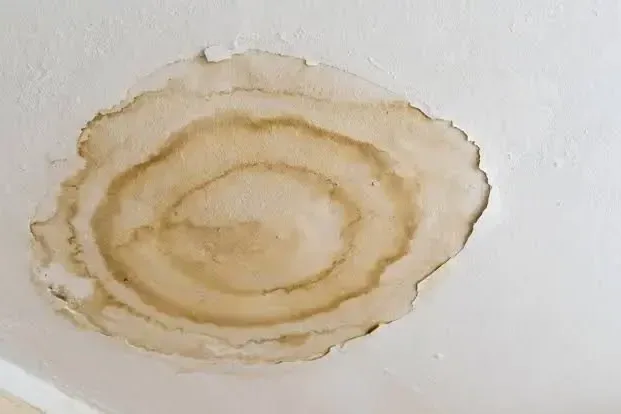
A damp closet floor during cooling season may be the last visible point in a longer condensate path. In a Waterside townhome, water can leave an equipment enclosure and enter a shared wall. A single family home in Star Farms may reveal the problem first as a ceiling mark below an air handler. Technicians examine the drain, pan and accessible equipment area, then follow moisture into the surrounding finishes instead of treating the puddle as the entire loss.
How air conditioner leak cleanup is handled in Lakewood Ranch
- 1
Inspect the condensate route
The assessment checks the drain, pan, equipment enclosure and nearby finish materials for spread.
- 2
Map connected assemblies
Meters test closet walls, ceiling board, flooring and adjoining rooms beyond the visible mark.
- 3
Remove accessible moisture
Detail extraction and selective access address water trapped along edges or inside suitable cavities.
- 4
Confirm each drying zone
Recorded values from the equipment area and surrounding finishes establish when material drying is complete. Each checked finish receives a recorded ending condition.
What does air conditioner leak cleanup cost in Lakewood Ranch, FL?
Air conditioner leak cleanup often ranges from $750 to $5,000 or more. A reachable closet spill differs from water above ceilings; equipment access and concealed material damage determine the restoration scope.
Accessible equipment area
$750 to $2,150
- Drain area photographs
- Closet floor extraction
- Wall edge readings
Ceiling or floor spread
$2,150 to $3,550
- Cavity moisture survey
- Condensate path mapping
- Selective finish access
Several finished spaces
$3,550 to $5,000+
- Multiple drying zones
- Cooling trade coordination
- Extended material records
For a closer planning number, try the water damage cost calculator. A firm figure comes after the walkthrough and moisture map.
Cooling equipment and wet materials are evaluated separately
Occupants should avoid wet controls, wiring and ceiling fixtures. Turning equipment off may limit additional condensate only when the control is safely accessible and its use is clear. The restoration survey records staining, pooled water and the condition of nearby contents before they move. It then checks closet walls, floor transitions, ceiling board and rooms beside or below the unit. A qualified cooling contractor addresses the mechanical fault while the drying team handles the building materials.
- Keep hands away from wet switches, panels and exposed cords.
- Do not open the air handler cabinet without proper training.
- Photograph the closet, ceiling mark and nearby belongings.
- Note whether dripping occurs only while cooling operates.
- Report damp finishes in rooms beside or beneath the unit.
Condensate often follows narrow concealed routes
A clogged drain may release water slowly along a wall base, while a damaged pan can wet a broader area. Meter readings establish whether drywall, insulation, flooring or cabinet material absorbed moisture. The crew extracts accessible water with detail tools and creates controlled access only where evidence supports it. Sound material may remain when the water source is suitable and measurements show steady improvement. Swollen or deteriorated finishes receive separate removal decisions.
Airflow is directed toward exposed surfaces without interfering with equipment service. Dehumidification reduces vapor released from damp assemblies. Repeated readings at the same locations show whether the closet, ceiling or flooring is responding. If one edge stays elevated, technicians reconsider access and equipment placement. The ceiling leak service covers overhead damage when the visible symptom needs immediate stabilization.
Mechanical repair does not complete material drying
Clearing a drain or replacing a pan stops new condensate. Walls, ceilings and floors still need measured confirmation before restoration closes.
A complete record connects both scopes
Documentation identifies the observed equipment problem, rooms inspected, wet boundary, extraction work and final material values. It distinguishes cooling system correction from water damage restoration so later repairs follow a clear sequence.
Windward contains attached villas and single-family homes. That mix reinforces the need to identify the actual equipment position and connected rooms before choosing a condensate drying boundary.
Coverage
Air Conditioner Leak Cleanup across Lakewood Ranch, FL
The restoration team serves Lakewood Ranch homes, villas, condominiums and business properties. Reports of wet ceilings, appliance leaks, standing water or sewage help the crew prepare the first inspection and choose equipment for the affected rooms.
See every area servedQuestions
Air Conditioner Leak Cleanup questions in Lakewood Ranch
Should the cooling system stay on after a leak?
Operation may continue adding condensate, but occupants should not touch wet electrical parts or unfamiliar controls. A normal dry thermostat control may be used safely. Mechanical inspection determines the fault, while restoration staff assess affected building materials.
How can a small drain clog damage a ceiling?
Condensate can follow framing, pipes or wall surfaces before it reaches a visible opening. A stain below the unit may represent only one exit point. Meter readings trace the damp route through ceiling and wall materials.
Who repairs the air conditioning equipment?
A qualified cooling contractor addresses the drain, pan, pump or air handler condition. The restoration scope covers extraction, material evaluation, drying and documentation around the equipment. The two scopes should be recorded separately.
Can closet drywall remain in place?
Stable drywall exposed to suitable water may dry when access is adequate and readings improve. Soft board, detached finishes, wet insulation or material that does not respond may require controlled removal to expose the affected assembly.
Why are nearby rooms checked?
Water can pass beneath continuous flooring, through a wall bottom or down to a room below. Testing adjoining spaces confirms whether the loss remained inside the equipment enclosure or traveled past its visible edge.
What changes the cost of condensate cleanup?
Scope depends on equipment location, affected materials, cavity access and how long water traveled unnoticed. An open closet floor differs from a loss involving a ceiling below, concealed insulation and several finished rooms. The final file distinguishes cooling equipment work from extraction, cavity access and monitored drying of the surrounding building materials. Those distinctions keep the repair sequence clear for every responsible trade.
24/7 emergency dispatch
Air Conditioner Leak Cleanup for Lakewood Ranch, available 24/7
After the cooling fault is corrected, readings establish whether surrounding finishes can be repaired. The completion record identifies damp layers addressed beside and below the equipment.
(888) 621-2041Start Air Conditioner escape care
Lakewood Ranch, FL · Find us on Google