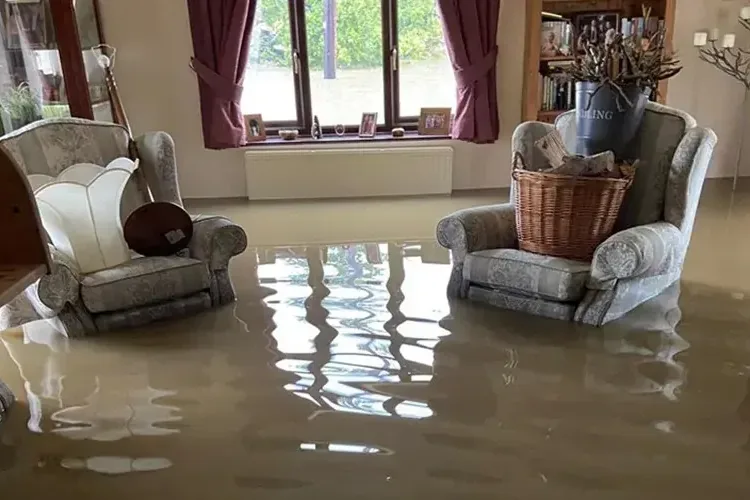
A severe thunderstorm damaged homes at Shadow Brook Mobile Home Park in August 2025, including a reported detached carport. After a storm, photographs of damaged exterior components help explain how rain reached the rooms below. In Palmetto, on the north side of the tidal Manatee River, the cleanup record should distinguish roof entry from floodwater and show the path through the property.
Key takeaways
- Photograph exterior openings and interior water edges before cleanup changes them.
- Treat outside water according to its possible contamination.
- Keep people away from wet electricity and unstable finishes.
- Connect every removed material to the documented contact path.
- Use final readings to separate completed drying from later reconstruction.
Start the record without entering unsafe areas
Wind can damage an opening while rain moves through it, and outdoor water can also enter at a low threshold. Occupants should avoid standing water near electricity, loose ceiling material and unstable exterior components.
Photos from safe positions can capture both the apparent opening and the rooms affected.
The date, weather timing and first visible symptoms belong together in the incident notes. The storm cleanup service connects those observations with inspection of doors, roof openings and wet interior finishes.
Photographing each entry point separately helps the crew follow more than one water path through a building.
- Photograph only from stable dry locations.
- Keep clear of wet electrical equipment.
- Record each room with visible water.
- Preserve damaged exterior components for inspection.
Entry points and water boundaries are different maps
One exterior opening can feed several interior paths through framing, insulation and wall cavities. Conversely, several small openings may wet one room. Technicians document exterior clues, then map materials from the room side until dry comparison points surround the affected sections.
Riveria Dunes includes a marina, townhouses and homes. At a damaged property, the crew photographs exterior openings and checks the rooms connected to them. Access notes identify occupied areas, wet floor transitions and spaces needing containment before extraction equipment arrives.
- Name every observed exterior opening.
- Trace interior symptoms separately from assumptions.
- Mark thresholds between affected and dry rooms.
- Check ceilings, wall bases and flooring by material.
Outside water changes the cleanup approach
Storm water can contact soil, debris and exterior surfaces before entering. That possibility affects protective equipment, containment and porous material decisions. Carpet pad, insulation and damaged drywall within the contact area receive a condition and contamination evaluation before air movement begins.
The sewage cleanup process uses Category 3 controls for wastewater. Outside floodwater can require similar caution even though the source is different. The file should identify why a material was removed and what surface treatment preceded drying.
- Separate occupied rooms from the work area.
- Control debris before running air movers.
- Evaluate porous finishes inside the contact boundary.
- Treat retained hard surfaces before drying.
Extraction should preserve useful evidence
Removing standing water is urgent, but the first perimeter should be photographed before it disappears when conditions allow. Extraction volume, debris and affected materials enter the work notes.
Technicians inspect beneath rugs, at wall bases and across floor transitions where water can continue beyond the obvious pool.
A property near the Manatee River may prompt questions about outside water, while a roof opening can admit rain without ground contact. Classification follows the actual path. The water extraction page explains how volume removal leads into material-focused drying.
- Capture the first water edge.
- Remove loose debris under controlled conditions.
- Check connected floors beyond the puddle.
- Record contents moved from the area.
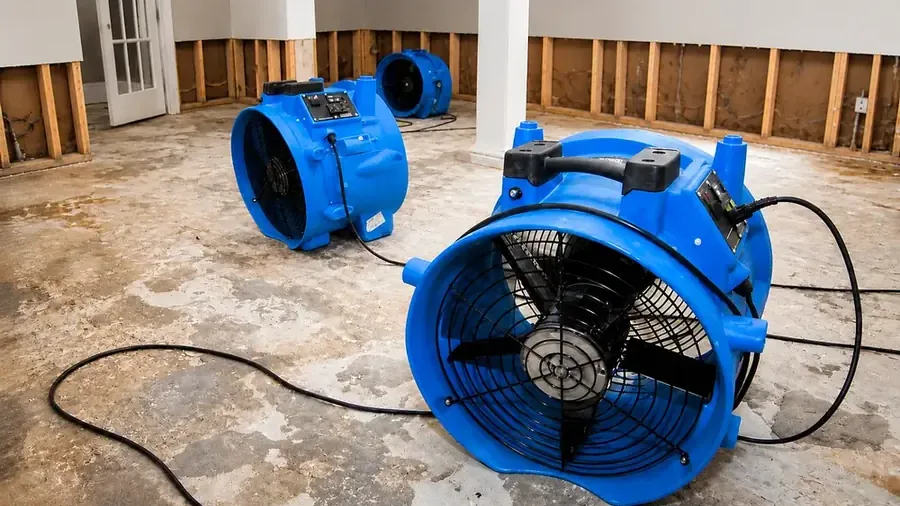
Drying begins after contamination controls
Air movers can distribute particles if used before debris removal and surface treatment. Once the area is prepared, airflow targets exposed wet materials and dehumidifiers collect released vapor. Marked readings show whether retained framing, floor and wall layers are improving.
The equipment plan changes as zones complete. A room with exposed framing may respond differently from a finished floor section. Daily photographs and values explain each adjustment and make the closeout file more useful for insurance and reconstruction discussions.
Build a closeout sequence that supports repair
A strong storm file begins with event timing and opening photographs, continues through category, extraction, removal and treatment, and ends with material comparisons. It distinguishes exterior repairs from interior restoration and lists unfinished work.
Repair planning starts with a clear list of damaged openings and affected interior layers. Roof or door corrections, removed insulation and retained framing each belong in the report.
That level of detail helps the repair contractor prepare the work without reopening rooms simply to learn what was wet.
- Keep event and source photos together.
- List porous materials removed by room.
- Record treatment before drying equipment starts.
- Attach final readings to marked locations.
Preserve evidence for insurance and reconstruction discussions
The restoration contractor records conditions and completed work, while the insurer determines coverage. A file arranged in event order is easier to interpret than scattered photos.
It should begin with weather timing and the apparent opening, then show interior boundaries before and after extraction.
Removal photographs should show why a finish could not remain and what construction became visible behind it. Treatment notes belong before the first drying log. Final readings at labeled locations close the sequence and identify the areas prepared for repair.
Contents should not disappear from the story. Furniture moved away from storm water, debris discarded under controlled conditions and belongings sent for specialist attention each need a simple location and condition note. That record helps distinguish building work from contents handling.
Later repair photographs can be compared with the mitigation record, but they belong to a different phase. The storm file should close when retained materials reach their targets and removal areas are documented.
Roofing, siding, window or finish contractors can then use that defined starting condition. Keeping the phases separate makes responsibility and remaining work easier to understand.
A concise room diagram keeps that handoff tied to exact openings, surfaces and repair areas.
- Arrange photographs in the order conditions changed.
- Pair removal notes with the original material location.
- Keep treatment records ahead of drying logs.
- List unfinished exterior and interior repairs separately.