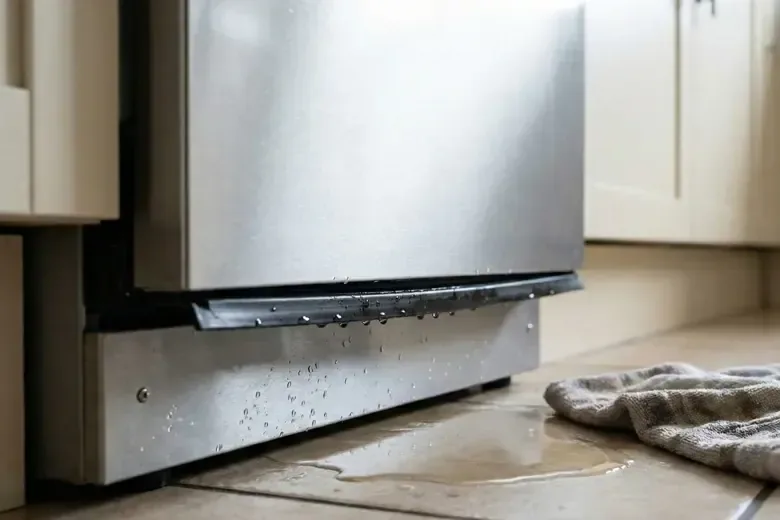
A refrigerator connection can seep behind a cabinet, while a washing machine hose can release enough water to cross a doorway quickly. Lakewood Ranch includes condominiums, townhomes, attached villas, single-family homes and custom homes, so there is no reliable community-wide floor plan. The cleanup has to follow the machine, cabinet details and connected floor layers found at the property.
Key takeaways
- Do not move an energized appliance across wet flooring.
- Close only a familiar supply valve that can be reached safely.
- Check cabinet toes, wall bases and the next flooring transition.
- Extraction comes before evaporation equipment.
- Keep appliance repair separate from building material recovery.
Why the appliance footprint is only the starting point
Dishwashers, refrigerators and washing machines hide much of their plumbing behind finished surfaces. A visible pool may form after water has already entered a toe space, underlayment or shared wall.
Residents in Waterside, Summerfield or Star Farms need the same property-specific inspection even though the housing forms around them vary.
Photographs should capture the machine front, nearby cabinets, first water edge and any affected contents. Occupants should not unplug or pull equipment when cords, outlets or flooring are wet.
A repair technician can handle the machine after safe source control, while the appliance leak cleanup focuses on construction.
- Avoid plugs and controls in the wet area.
- Use only an accessible familiar shutoff.
- Photograph the scene before moving dry contents.
- Report dampness in rooms beside or below.
Cabinet construction changes the hidden route
Water can enter beneath a fixed toe kick, absorb into a composite side panel or follow the joint between cabinet and wall. A kitchen island creates another enclosed edge.
Technicians test each likely contact and compare it with a dry cabinet or wall surface of similar material.
A small extraction attachment may reach beneath an accessible edge. When readings remain elevated, a limited opening can expose trapped water without dismantling every cabinet.
Swelling, separation and loss of strength influence whether a component can stay. Appearance alone cannot describe the condition behind the finished face.
- Test both ends of a cabinet run.
- Check the wall base behind the machine.
- Compare solid and composite materials separately.
- Support every opening with direct evidence.
Floor seams can carry water through a doorway
Continuous tile may allow water to move beneath a cabinet while the surface looks clean. Wood and laminate can absorb through joints, and underlayment may remain wet after face water disappears. The first doorway or change in flooring becomes an important checkpoint.
Azario Esplanade and Windward include attached villas and single-family homes, while Palm Grove also includes townhomes. After an appliance leak, the inspection follows cabinet edges, shared partitions and connected floor surfaces.
Technicians mark wet points and a dry reference area so later readings can be compared at the same locations.
- Extract visible and seam water first.
- Test the next room across a shared threshold.
- Mark readings so later visits use identical points.
- Record any lower-level symptom beneath the room.
Separating machine service from restoration
An appliance professional diagnoses the hose, fitting, pump or internal component. Restoration staff document what water reached outside the equipment.
Keeping those tasks distinct makes the file easier to understand and prevents a repaired machine from being treated as proof that the cabinet and floor are dry.
The water extraction service removes recoverable water before airflow begins. Air movers target accessible damp surfaces, and dehumidifiers collect vapor. Equipment avoids blocking the machine service route when practical, and any position change enters the daily record.
- Machine diagnosis belongs to the appliance trade.
- Material readings belong to the restoration scope.
- Source correction should be photographed when accessible.
- Ending values should cover every connected finish.
How repeated readings shape retention decisions
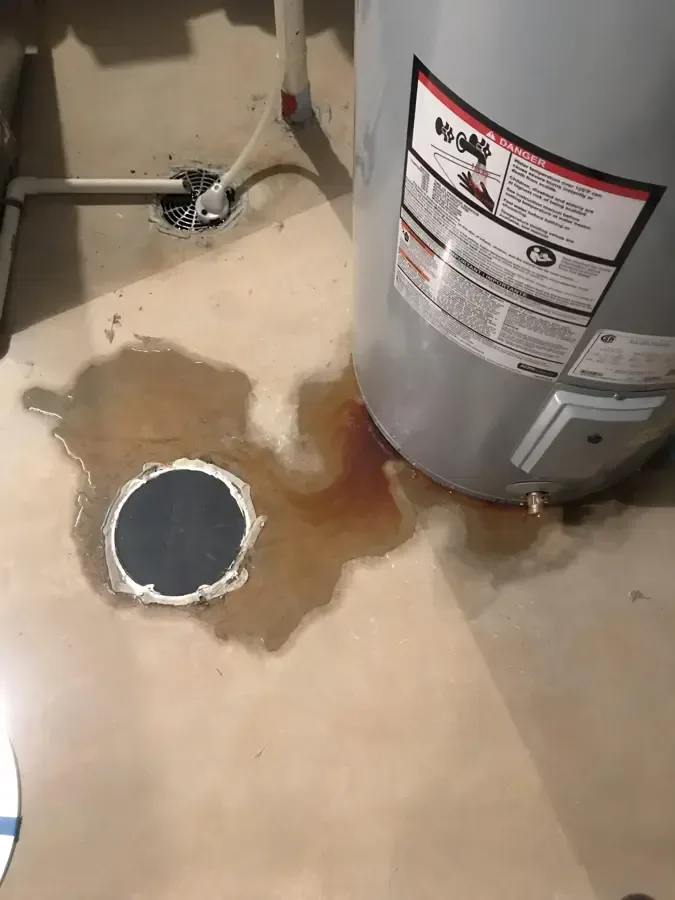
One reading establishes a condition; a series shows direction. Cabinet ends, flooring seams and wall bases are checked at marked points.
Improvement supports continued drying, while a stalled enclosed layer may justify different access. This approach preserves stable material when evidence supports it.
An appliance can stop leaking while water remains beneath a cabinet or floor edge. Before closing the work area, the crew rechecks those concealed margins and records the results.
An edge that stays wet needs closer inspection, a change in airflow or access to the trapped layer.
What belongs in the appliance loss file
The record should include appliance location, observed fault, first water boundary, cabinet and floor readings, extraction details, access notes and completion values. It should identify any component moved by the appliance technician and any finish prepared for later repair.
A concise diagram is especially useful when water crossed beneath continuous flooring. The hardwood floor service provides a deeper process for board and subfloor decisions when the appliance release reaches wood.
- Keep before and after photographs together.
- Name each room and floor transition tested.
- List retained and removed cabinet materials.
- Separate machine repair from finish work.
Plan cabinet and floor repairs after the moisture record closes
A cabinet face may appear unchanged even when the toe space or side panel absorbed water. Repair planning should therefore begin with the material map, not a shopping list.
The file identifies components that dried in place, panels removed for access and floor sections that still need a specialist assessment.
When a machine must be reinstalled, the appliance technician should have a dry, stable area and access to its connection. Finish carpentry and flooring work follow the documented endpoint.
Sequencing the trades this way avoids hiding a wet edge behind a newly positioned appliance or replacement toe kick.
Contents deserve a final check as well. Dry dishes or laundry supplies may return after the cabinets are ready, while any item that contacted affected water receives its own cleaning or disposal decision.
The room photograph taken before contents moved helps restore order without losing the incident history.
- Use the moisture map to define cabinet repairs.
- Confirm flooring values before reinstalling fixed equipment.
- Keep appliance testing separate from drying verification.
- Return contents only after the storage area is ready.