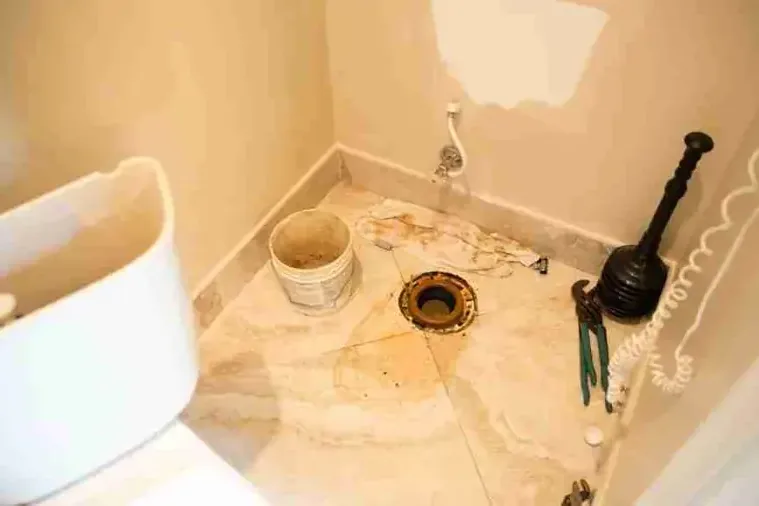
Local Bradenton guidance says fats, oils and grease can narrow pipes and contribute to sewage overflows. It also says disposable wipes do not break down like toilet paper and can clog plumbing. Those points offer practical prevention for Bayshore Gardens households, while an active backup still requires immediate separation, source correction and material decisions based on the actual wastewater path.
Key takeaways
- Keep cooking fats and grease out of household drains.
- Do not flush disposable wipes as a substitute for toilet paper.
- Keep children, pets and occupants outside a wastewater area.
- Avoid household fans, vacuums and mops that spread contamination.
- Document every porous material and threshold reached.
How kitchen grease contributes to a drain restriction
Liquid cooking fat may look harmless while warm, but it cools and adheres inside plumbing. Repeated disposal can narrow the available opening and collect other debris. A slower drain or recurring gurgle deserves plumbing attention before it becomes an overflow.
Bayshore Gardens households near Sarasota Bay, Bowlees Creek and the State College of Florida campus can reduce grease entering household drains by collecting cooking fats for proper disposal.
Keeping grease out of the sink also keeps it from joining wipes and other debris inside the plumbing.
- Let cooking grease cool in a container.
- Wipe oily cookware before washing.
- Keep food scraps out of the drain.
- Ask a plumber about recurring slow flow.
Why disposable wipes create a different clog problem
A wipe can remain intact instead of breaking apart like toilet paper. It may catch at a bend or combine with grease and other debris. Product labeling does not replace the local advice that disposable wipes can clog plumbing.
Prevention means placing wipes in household trash rather than a toilet. This includes cleaning wipes and personal care products. A clear routine matters in homes with several occupants because one repeated habit can affect a shared drain path.
- Place disposable wipes in the trash.
- Flush toilet paper and normal waste only.
- Keep a covered bin near the fixture.
- Explain the rule to visitors and household members.
Recognize warning signs before wastewater appears
Several fixtures draining slowly, gurgling near a toilet or water rising where it should drain can indicate a developing restriction. Occupants should stop using connected fixtures and contact a plumbing professional rather than testing the system repeatedly.
The community was planned beginning in 1955 and includes documented mid-century homes, but not every property shares one plumbing material or layout. A plumber should diagnose the actual building. The sewage cleanup service addresses material contamination after overflow occurs.
- Stop fixture use when several drains react.
- Do not add household chemicals blindly.
- Keep people away from any wastewater.
- Note which fixtures showed symptoms first.
Contain the area after a backup
Wastewater is a Category 3 condition. Children and pets stay outside the affected room, and people should avoid walking through residue. Household fans can spread particles, while towels and mops can carry contamination into other spaces.
Photographs from clean flooring preserve the visible boundary and source area. Technicians establish containment around the actual contact path, including thresholds crossed by foot traffic. The toilet overflow page explains why fixture contents must be classified before cleanup.
- Close the room without touching residue.
- Leave fans and household vacuums off.
- Photograph from the clean side.
- Report every room entered after contact.
Porous materials and hard surfaces need different decisions
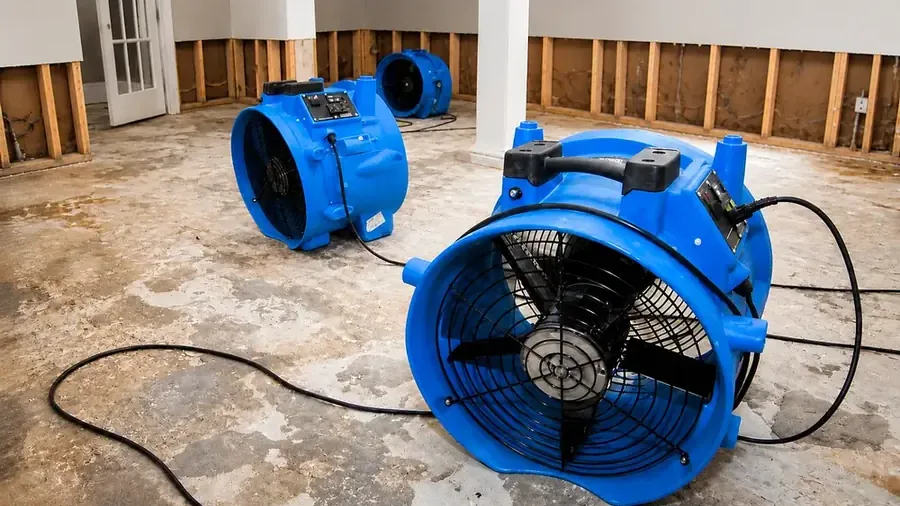
Carpet pad, saturated drywall and insulation can hold contaminated water in spaces that ordinary surface cleaning cannot reach. Those materials receive a controlled removal evaluation. Intact nonporous surfaces may be treated using methods appropriate to the condition.
Drying begins after debris is removed and retained surfaces are cleaned. Air movement remains within the controlled zone, while dehumidifiers manage vapor. The crew records removed items, surface treatment and material readings separately.
Turn cleanup records into prevention steps
The final file should identify the source area, plumber findings, containment, disposed porous material, cleaned hard surfaces and ending moisture values. Those details make it easier to understand what the backup affected.
Prevention after repair returns to daily drain use. Keeping grease out of sinks and wipes out of toilets addresses the two locally documented clog contributors. The structural drying process completes the building side once sanitation work is finished.
- Keep plumbing repair records with cleanup notes.
- Document every removed finish by room.
- Confirm retained surfaces were treated before drying.
- Maintain the drain habits that reduce future restrictions.
Create a household drain routine that is easy to follow
Prevention works best when disposal choices are obvious. A container near the cooking area gives cooled fats and grease a place other than the sink.
A covered wastebasket in each bathroom gives wipes and personal care products a clear destination other than the toilet.
Household members should also know which symptoms require a pause in water use. More than one slow fixture, repeated gurgling or water rising in an unexpected drain deserves professional assessment.
Continuing to run fixtures can add volume behind a restriction and turn an early warning into a larger overflow.
Property records can note prior blockage locations and the plumber correction without assuming the next symptom has the identical cause. That history helps explain recurring patterns, while a fresh diagnosis remains necessary for each event.
A simple response card kept with household records can list the safe first actions: stop fixture use, close the affected room, keep people away and contact the appropriate professionals. It should avoid instructions that send anyone into wastewater.
Practicing those steps makes the first decisions easier when a backup creates stress. Seasonal gatherings or changing household occupancy can also alter drain use, so the disposal routine should remain visible rather than depend on one person remembering it.
Plumbing maintenance notes can record recurring symptoms without sending chemicals into an unknown restriction. Prompt diagnosis protects occupied rooms from added wastewater volume.
- Keep a grease container accessible during cooking.
- Place a wastebasket beside every frequently used toilet.
- Stop connected fixture use when several drains react.
- Retain plumber findings with any restoration records.